LIGHTING THE 21ST CENTURY WITH FLOS

by PIN–UP

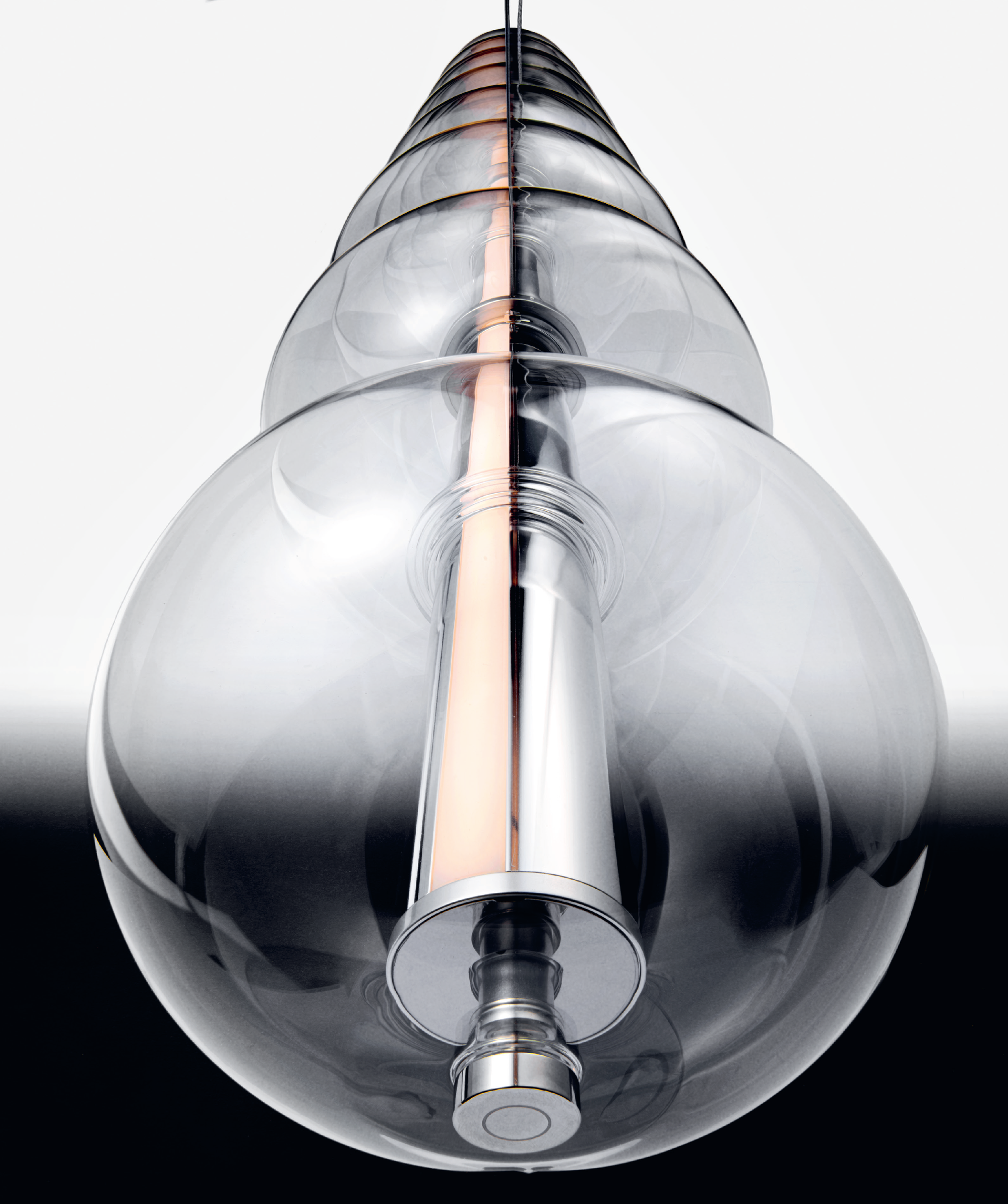
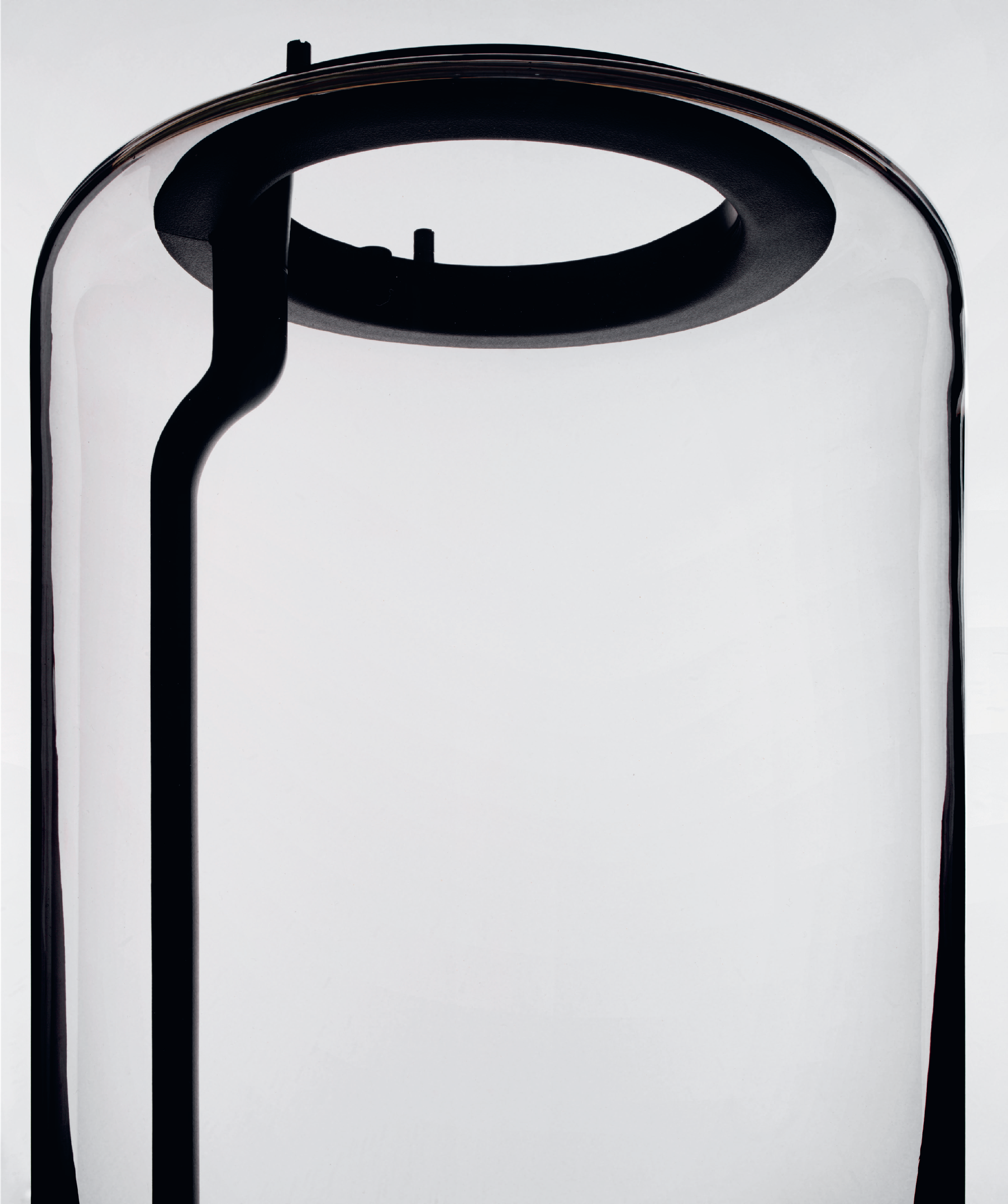
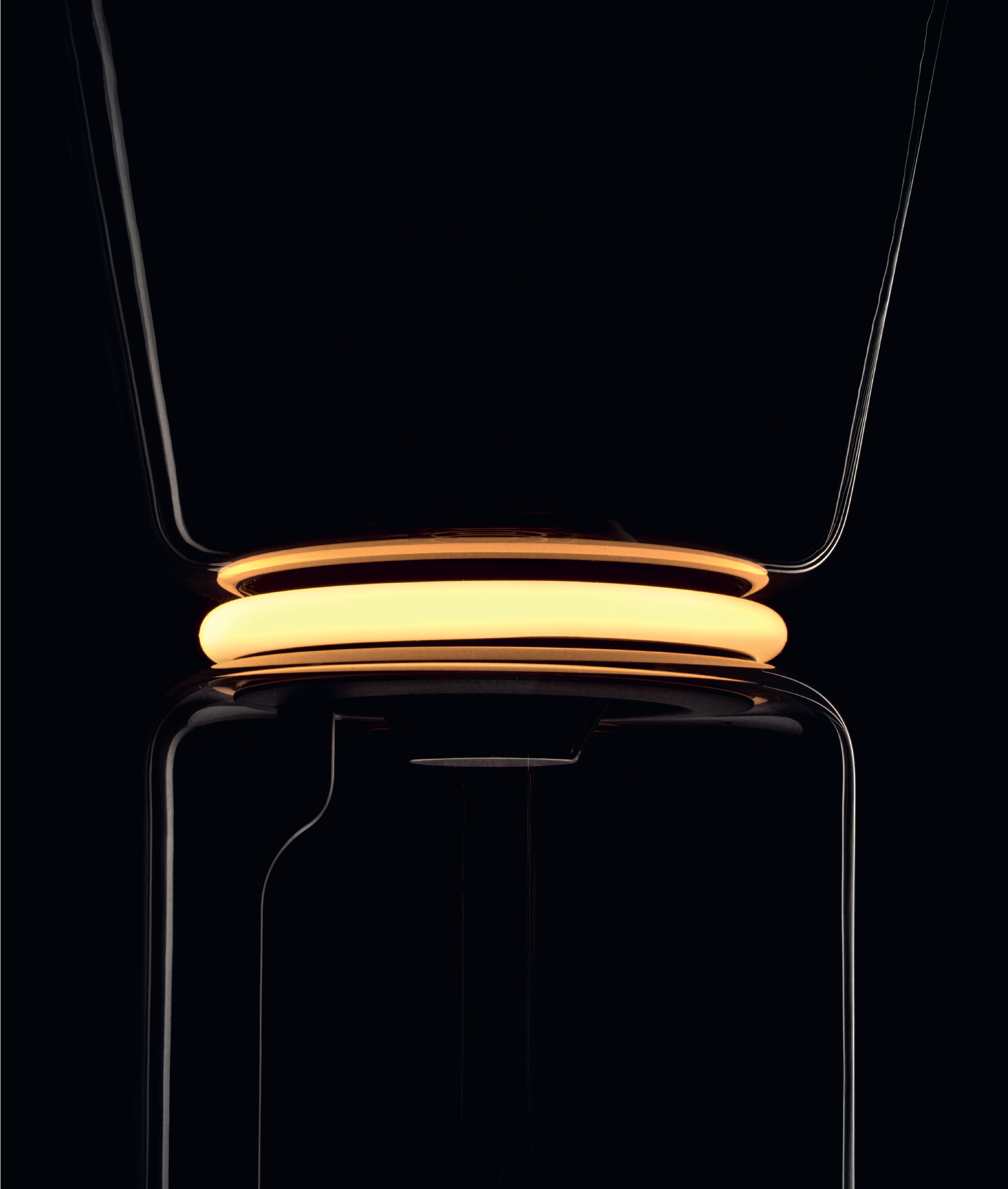
Konstantin Grcic, Noctambule Lighting System, 2019

At first glance, Noctambule appears almost invisible: transparent glass cylinders stacked into a tall column, recalling the ghostly presence of a traditional chandelier. Yet beneath this apparent simplicity lies a complex system developed by Flos. Blown glass elements are joined by luminous rings that act both as light sources and connectors, allowing the lamp to be assembled like a modular structure. The technology relies on advanced injection-molded components and optical lenses developed with the Flos architectural division, producing high output with remarkably low glare. For Piero Gandini, the achievement of Noctambule lies precisely in this discretion. “What I like,” he says, “is that you approach the product in a very natural way. The technology is not in your face.” The result, he adds, is “a mystical product”: contemporary glass forms that seem to glow from within, almost immaterial. Photography by Nicolas Polli for PIN–UP 40.

Since its founding in 1962, Flos has occupied a unique position in the design world: both laboratory and living-room staple. The company’s history is marked by a steady stream of experiments — new materials, optical systems, and manufacturing processes — yet its objects ultimately belong not to the realm of futuristic prototypes but to daily life. Light, after all, is one of the most intimate design experiences we have, shaping our vision of the world. Innovation alone is never enough; it must also deliver comfort, clarity, and a certain everyday pleasure. The seven lamps presented here were hand-selected by Piero Gandini, the son of Flos’s founder, Sergio Gandini, and now the Executive Chairman of the Flos B&B Italia Group (previously he was the chairman of Flos, from 1996 to 2019). They trace a particular chapter of that story, from the early 2000s to the present. As Gandini notes, innovation rarely moves in a straight line. Some of these products began with a technological discovery waiting for a designer’s imagination; others started as a designer’s idea that forced engineers to invent the means to realize it. What emerges from this exchange is a distinctive method: a dialogue between engineering research, the optical expertise developed within Flos Architectural, and the intuition of designers such as Patricia Urquiola, Philippe Starck, Jasper Morrison, Michael Anastassiades, Konstantin Grcic, Ronan Bouroullec, and Formafantasma. Photographed through the sharp eye of Nicolas Polli, the lamps appear here in extreme close-up, their surfaces transformed into landscapes of glass, metal, and light. Seen this way, each becomes more than the sum of its parts: not just feats of engineering, but instruments of atmosphere — objects designed to quietly shape the way we live with light.
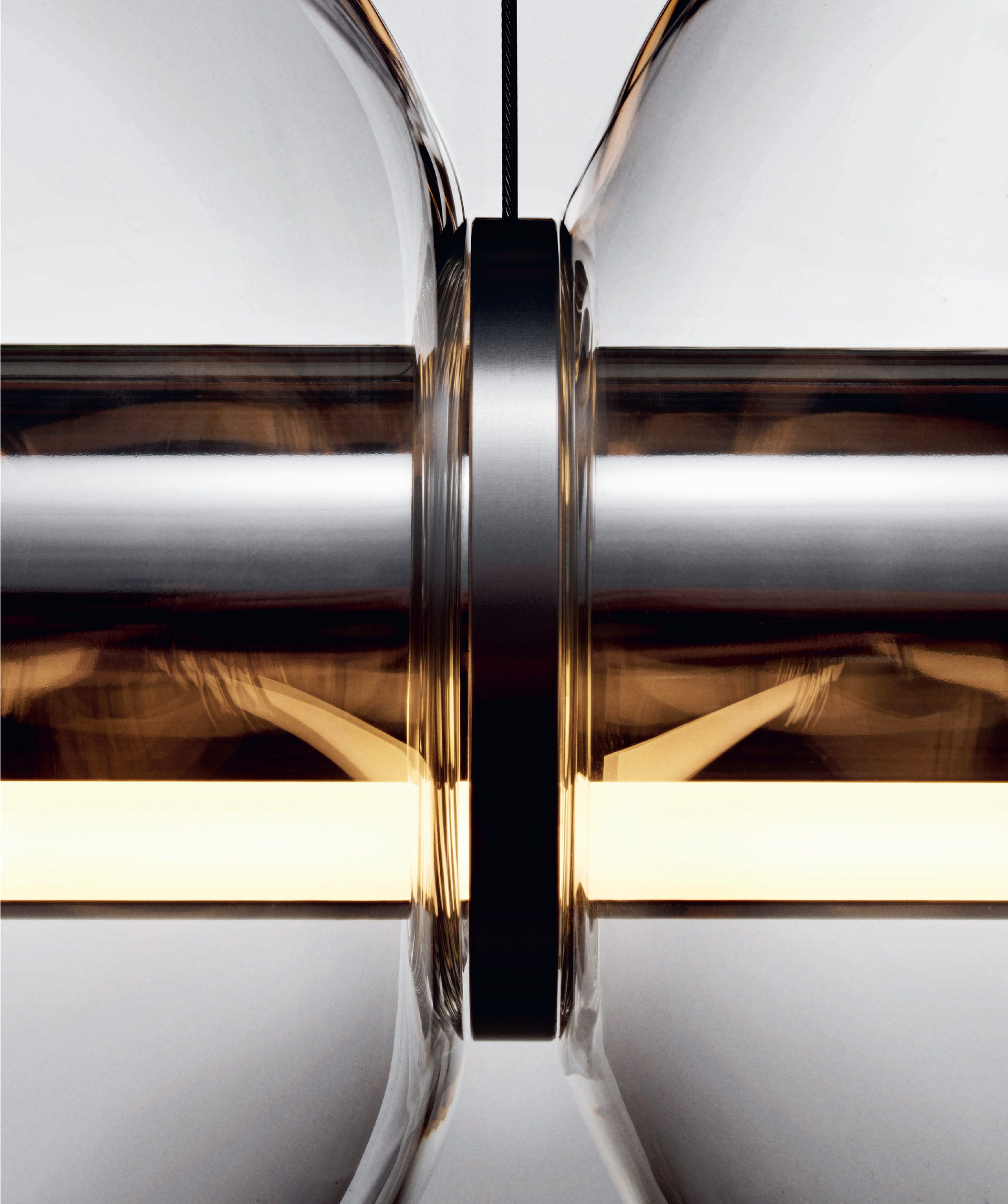
Ronan Bouroullec, Luce Sferica / Luce Cilindrica Lighting Collection, 2025

The Luce series grew out of a custom lamp developed for the Bourse de Commerce – Pinault Collection in Paris. For Flos, he translated the idea into a modular system organized around a polished chrome tube that acts as both structure and conductor. Light is emitted through cylindrical borosilicate glass elements whose intensity can be adjusted directly on the lamp by turning the exposed end of the tube. When a spherical element is added, Luce’s light rebounds inside the glass volume, transforming the sphere into an optical diffuser that softens and redistributes the glow. The result appears disarmingly simple, yet its behavior relies on a surprisingly sophisticated interplay between structure, optics, and user interaction. Photography by Nicolas Polli for PIN–UP 40.

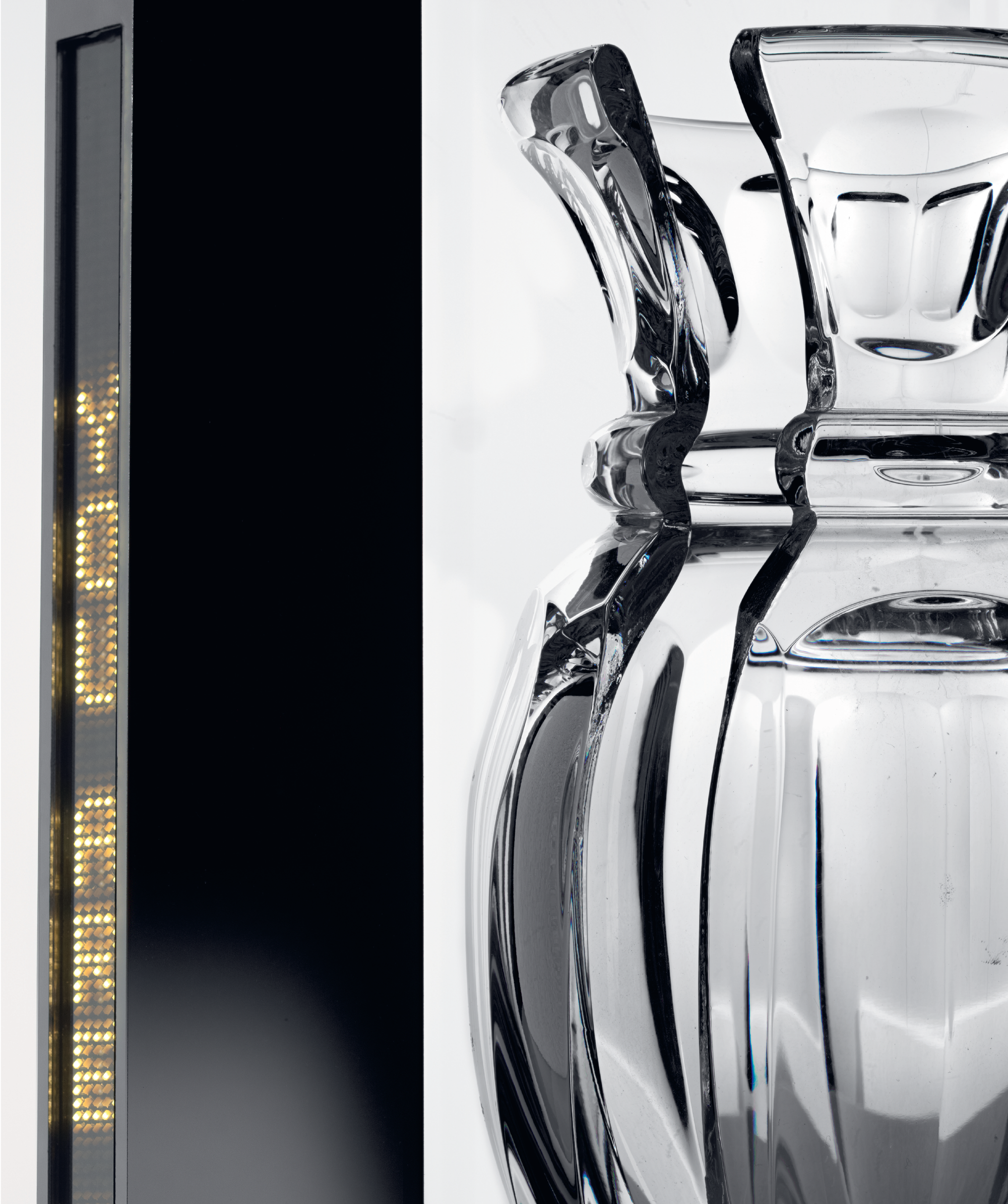
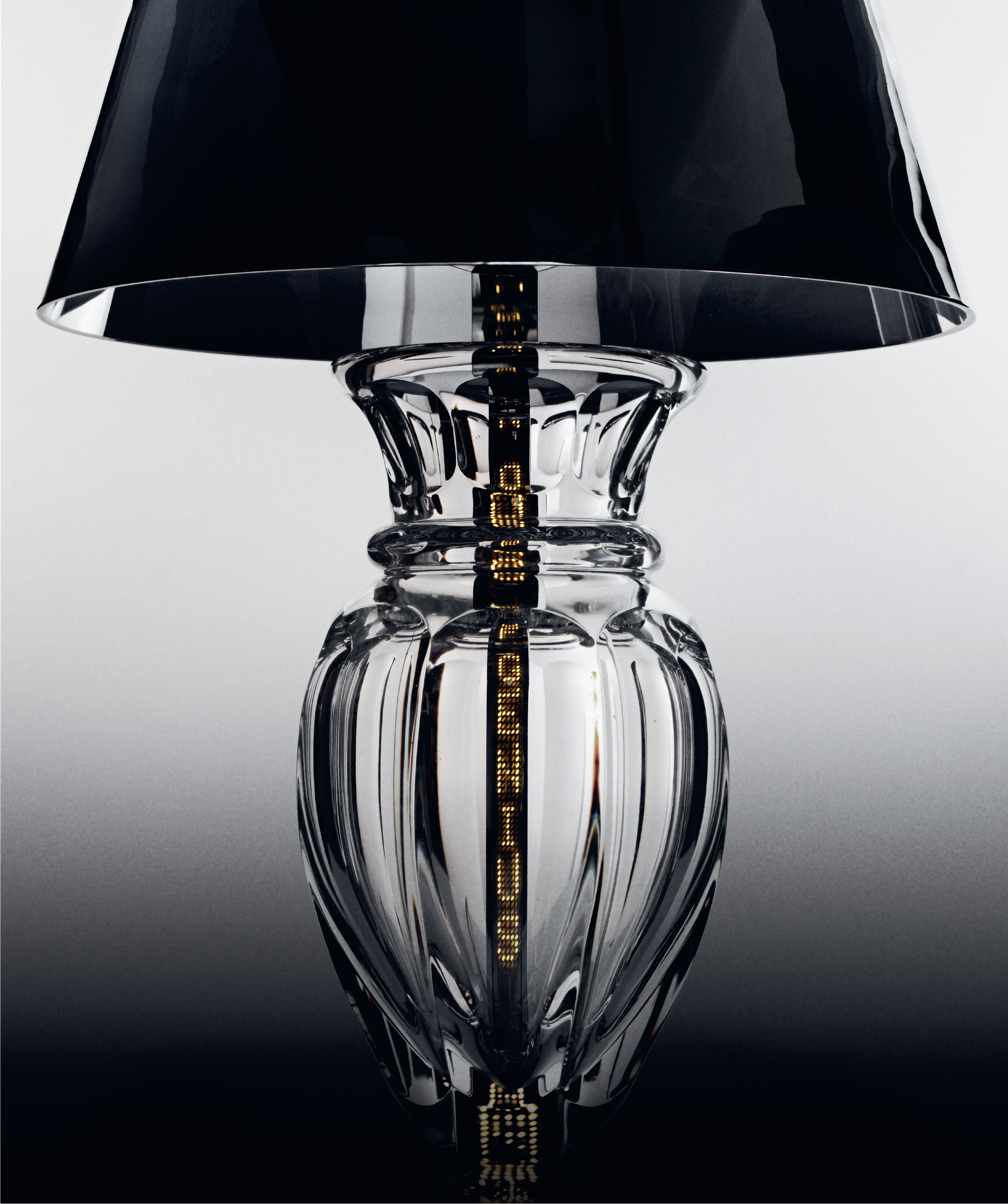
Philippe Starck, hooo!!! Table Lamp, 2009

When Philippe Starck began collaborating with Baccarat, he proposed working with Flos on a series of crystal lamps. Piero Gandini agreed on one condition: the introduction of a third layer to the project — the participation of artist Jenny Holzer. Her Truisms (1978–87), including “PROTECT ME FROM WHAT I WANT” and “MONEY CREATES TASTE,” scroll across LED displays running through the crystal structure. Developed with electronics engineer Moritz Waldemeyer, the project united cutting-edge technology with centuries-old glass craftsmanship. The result is a strange collision of worlds: political text coursing through opulent crystal, shaped by artisans yet quietly interrogating the very culture of luxury the objects inhabit. Photography by Nicolas Polli for PIN–UP 40.

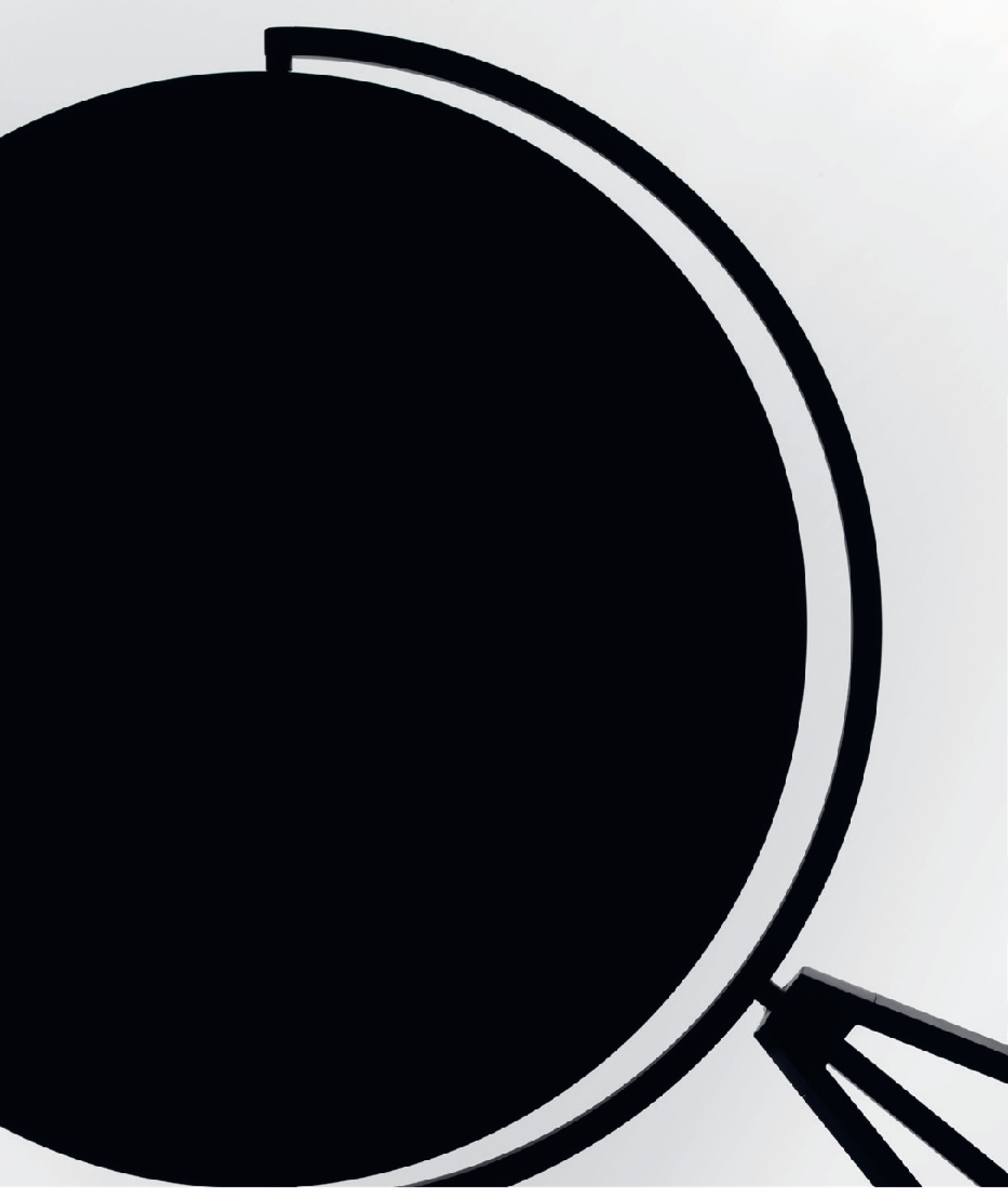
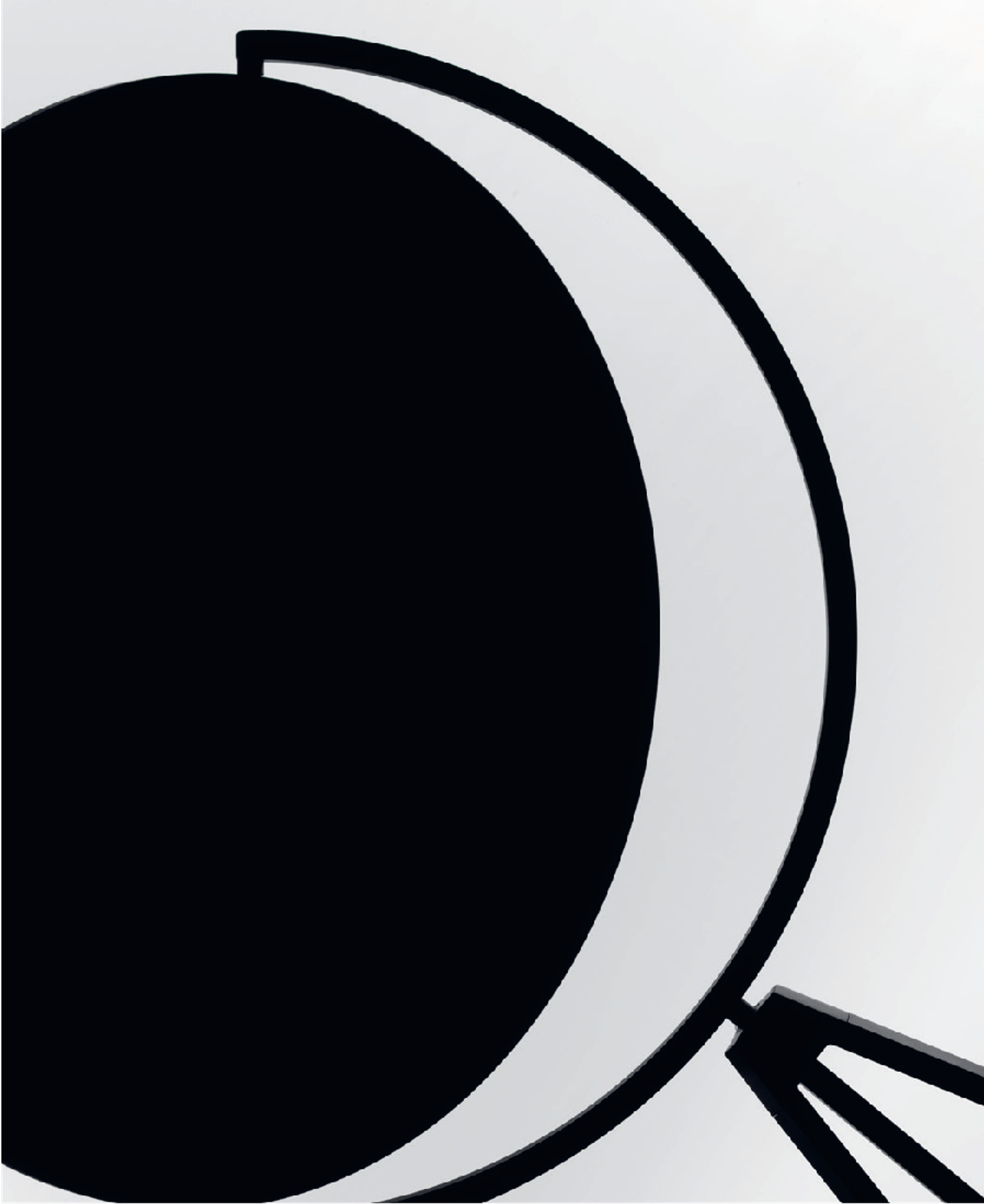
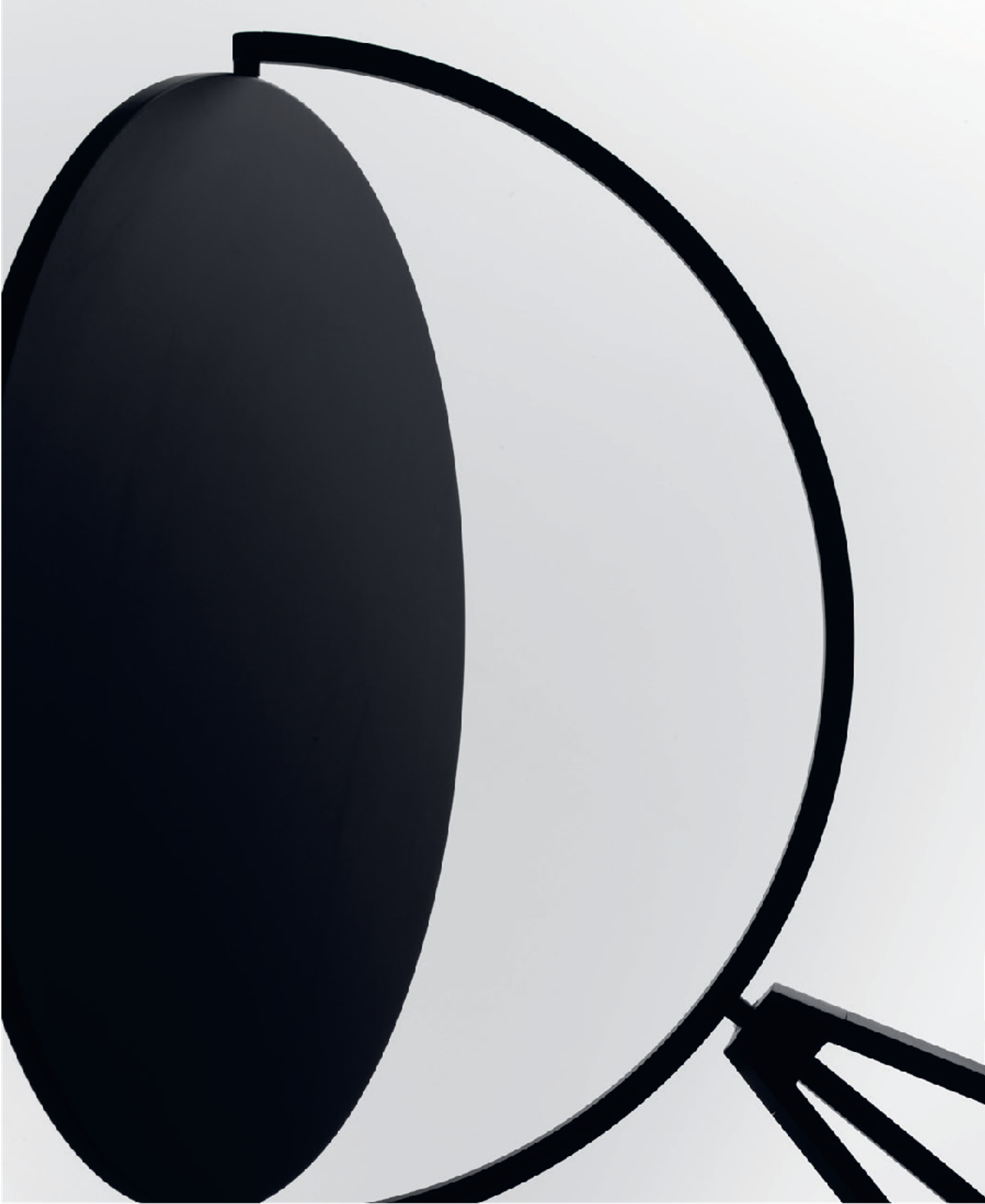
Jasper Morrison, Superloon Floor Lamp, 2015

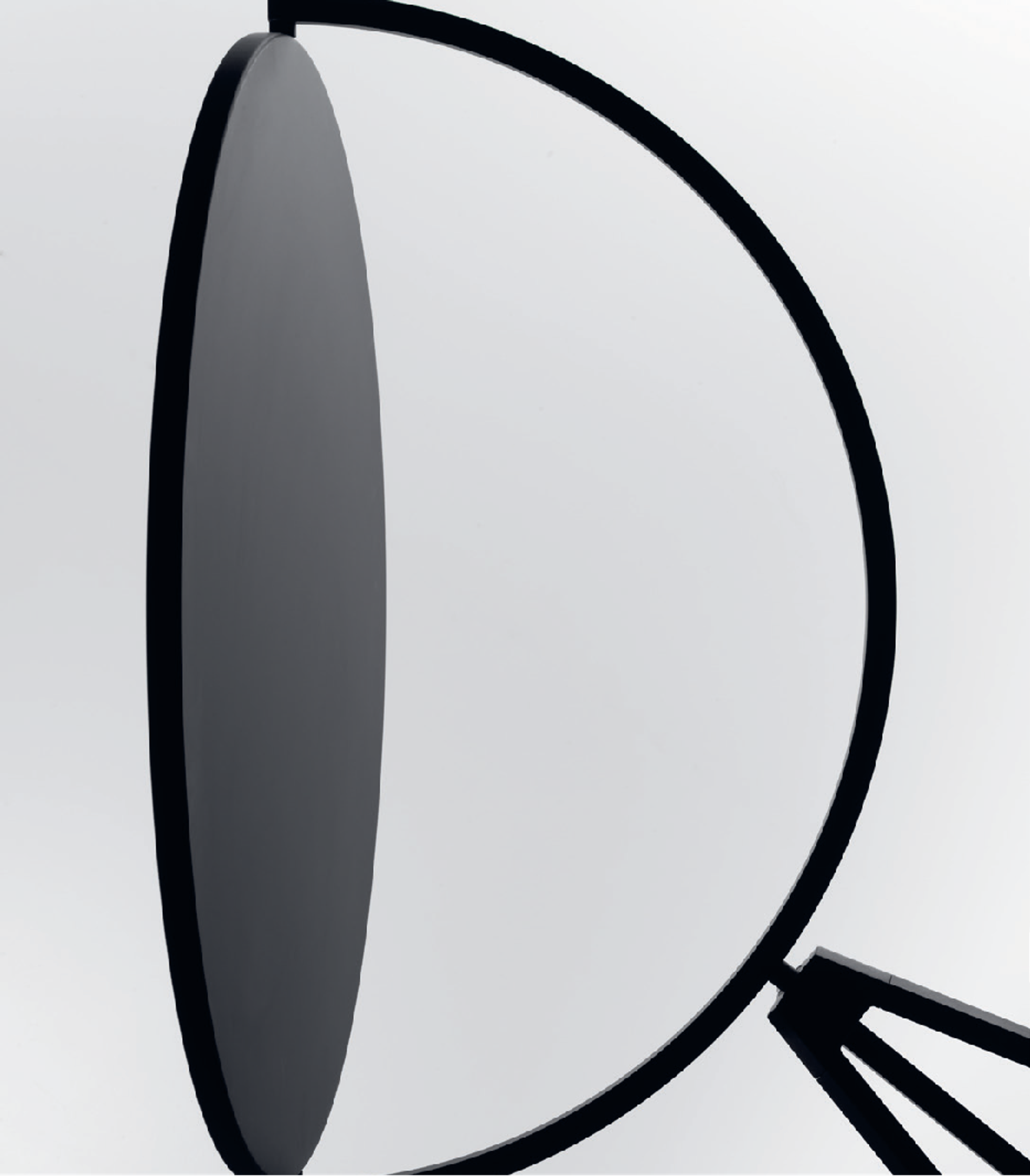
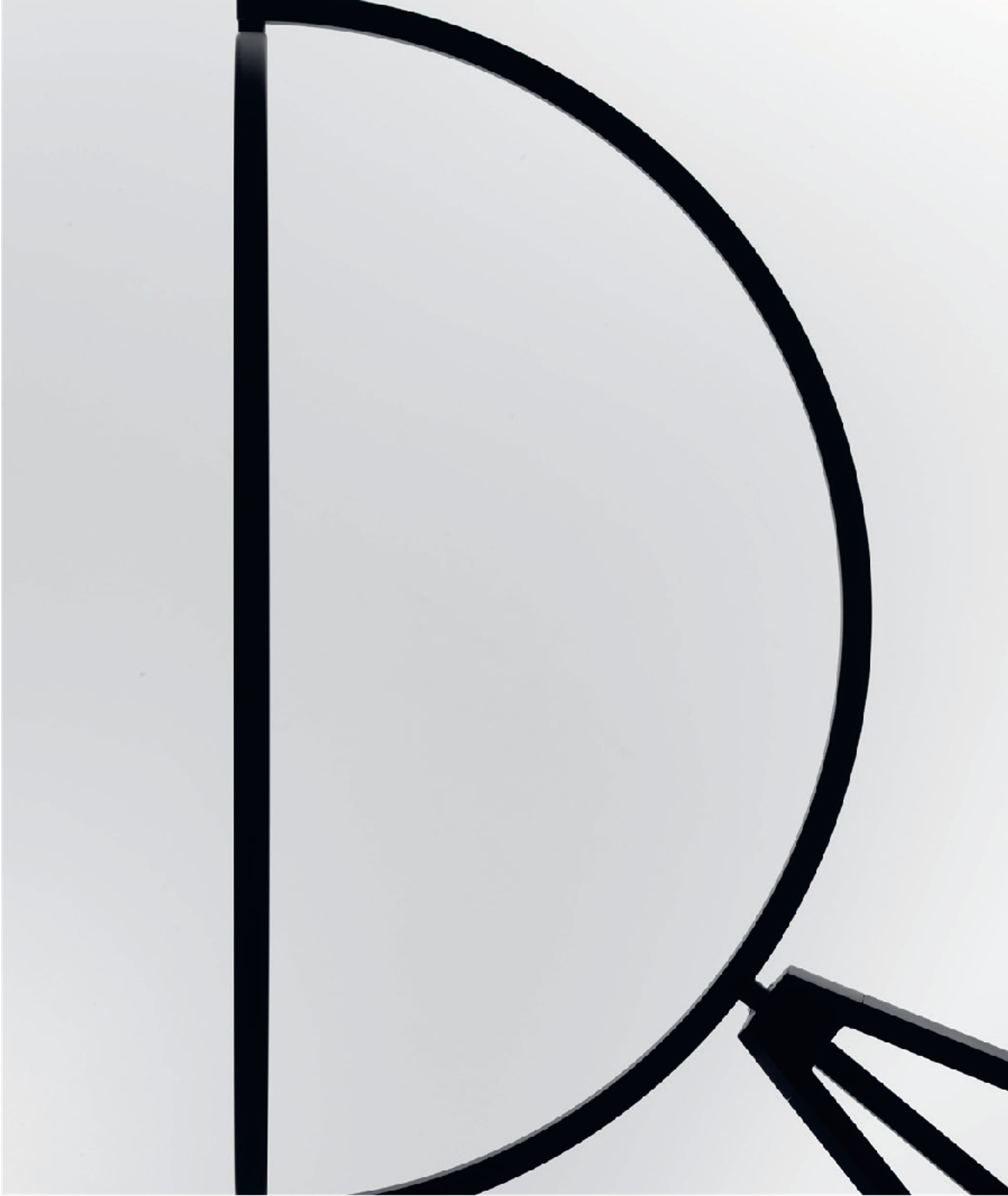
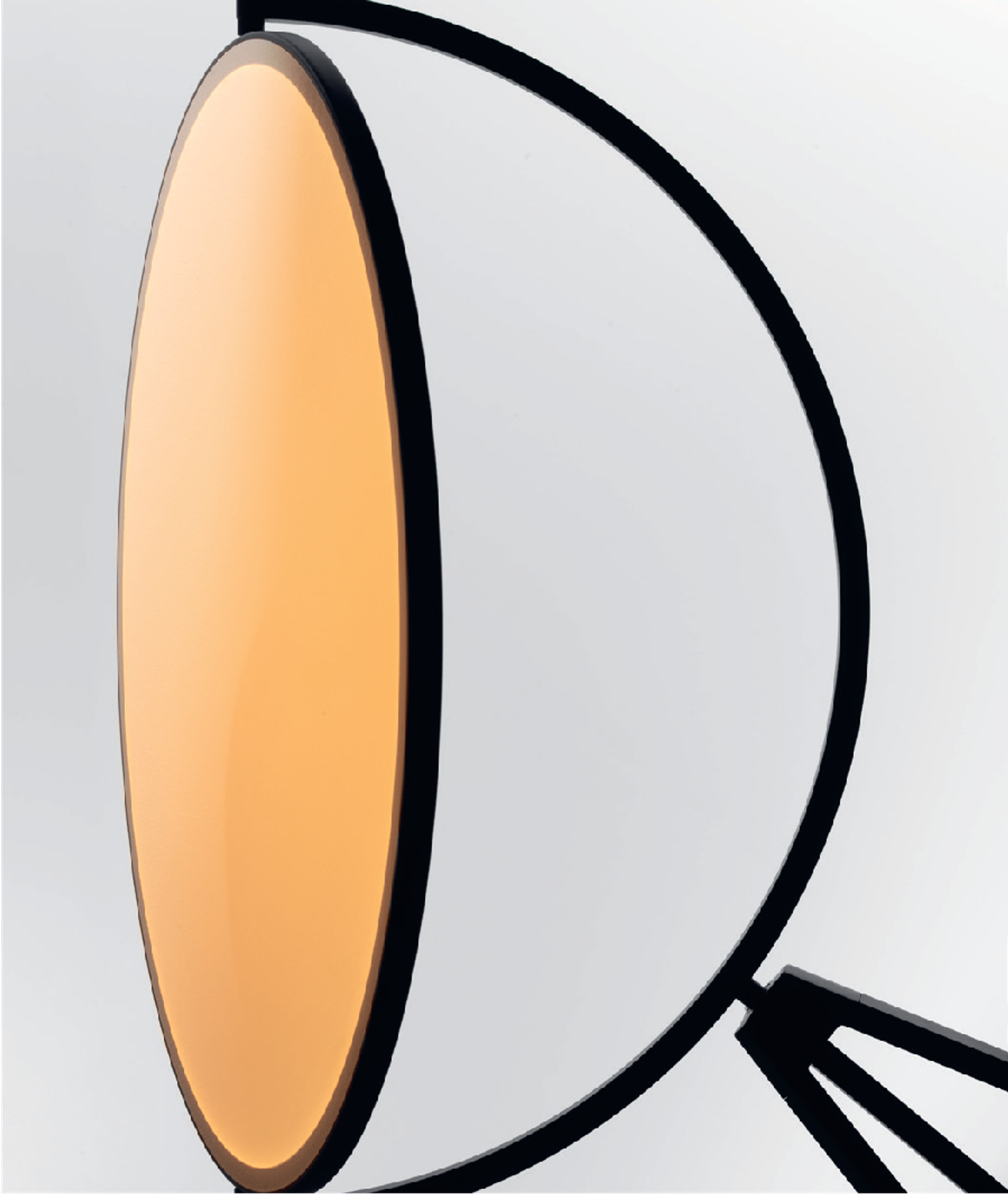
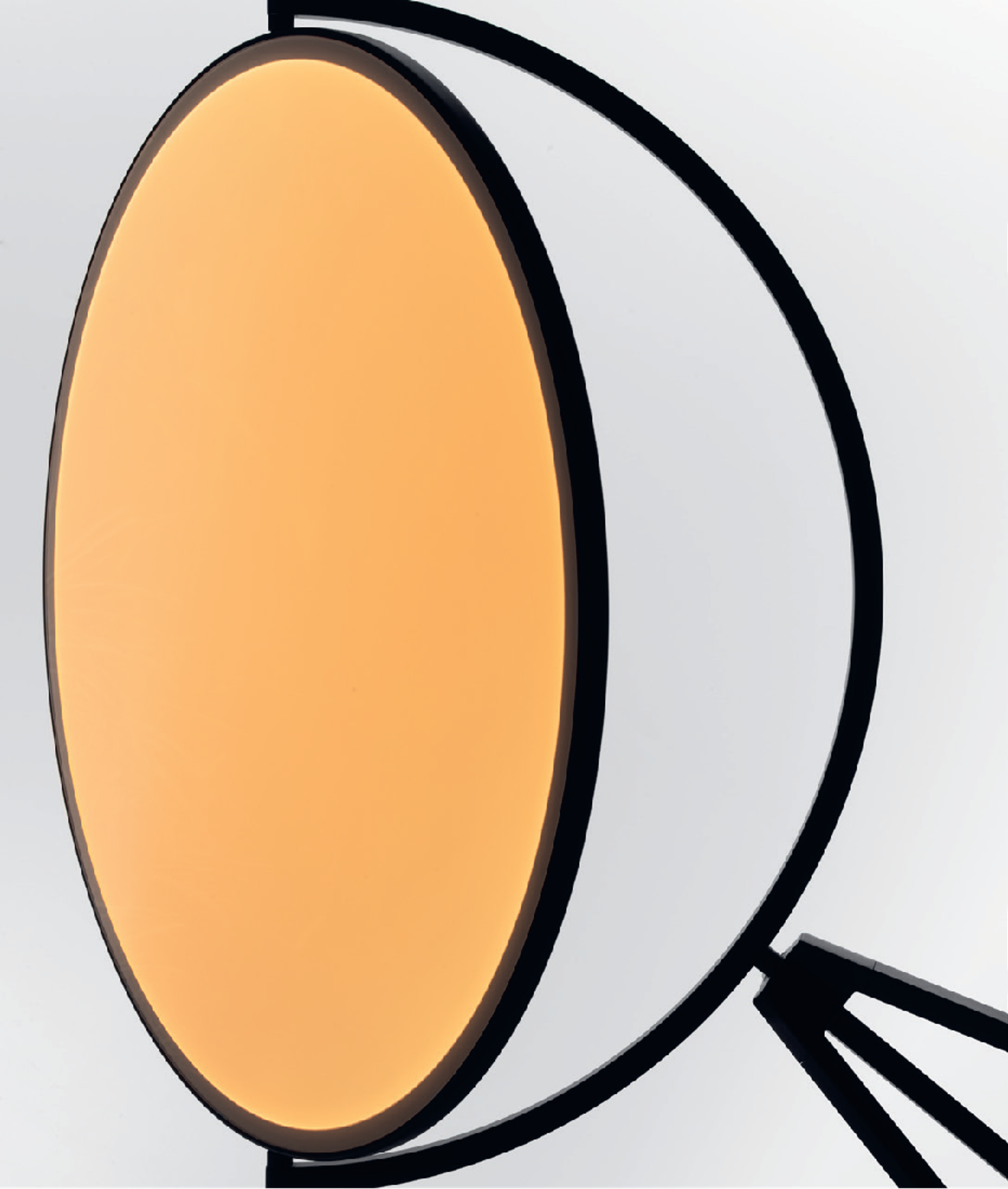
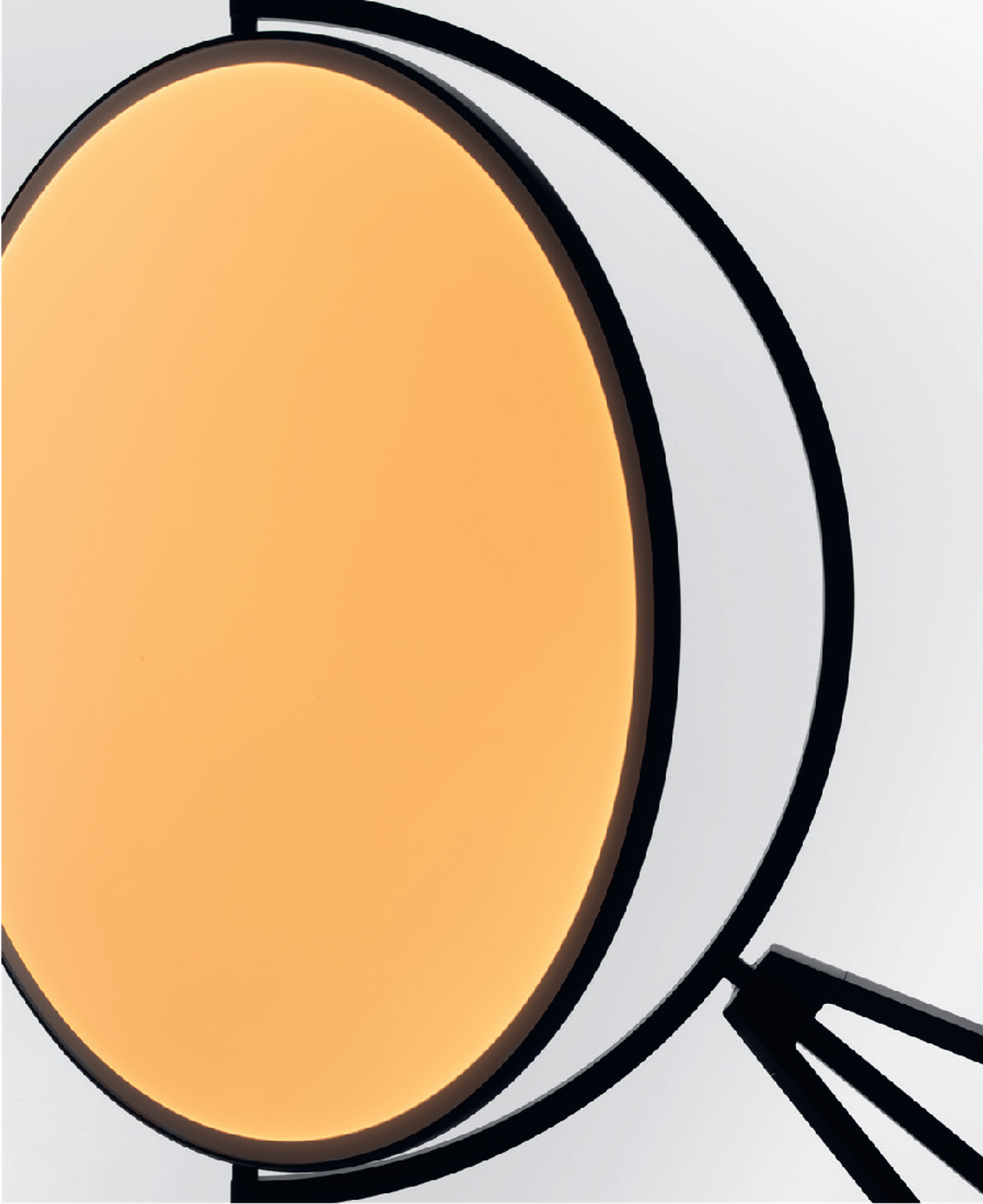
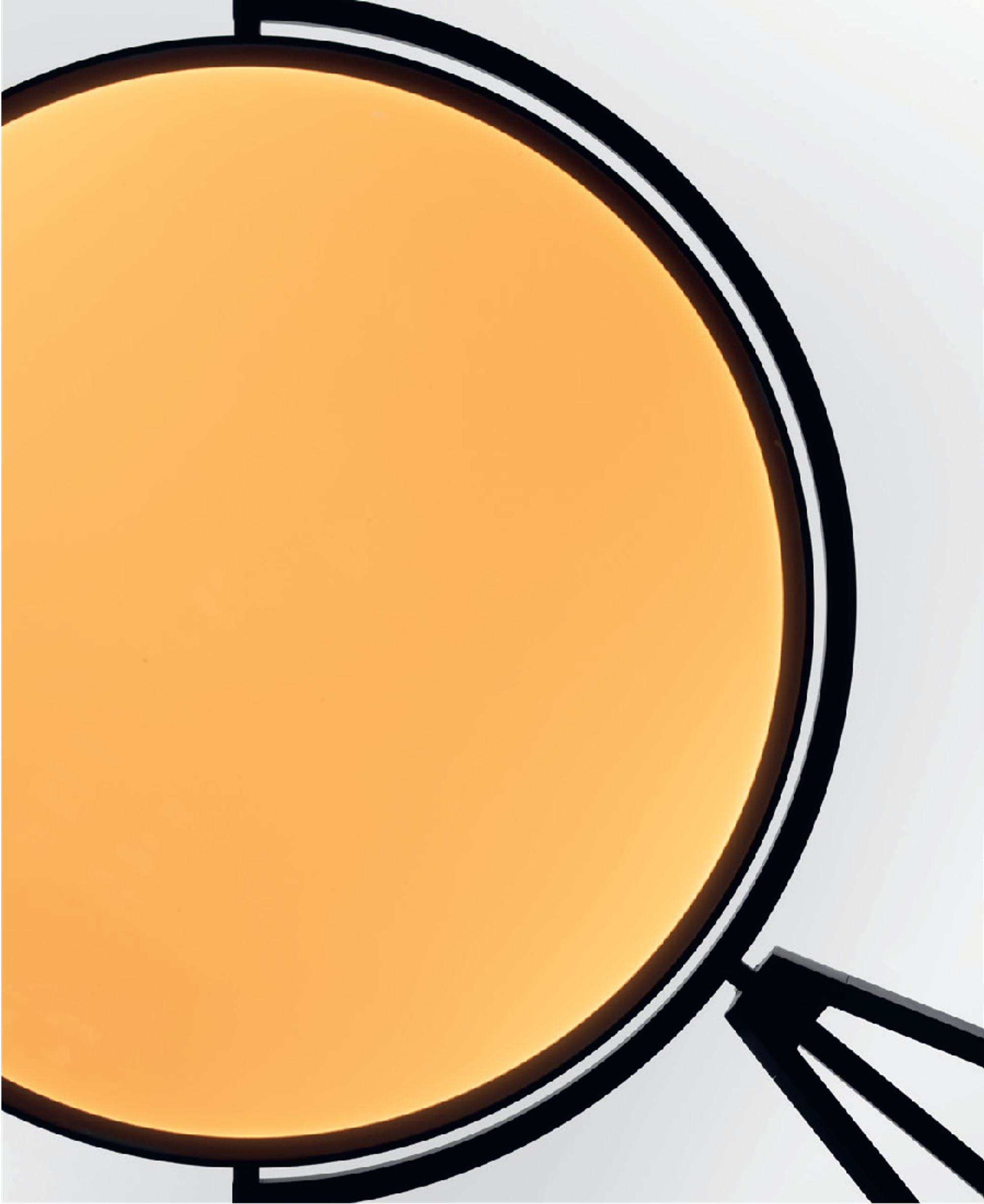
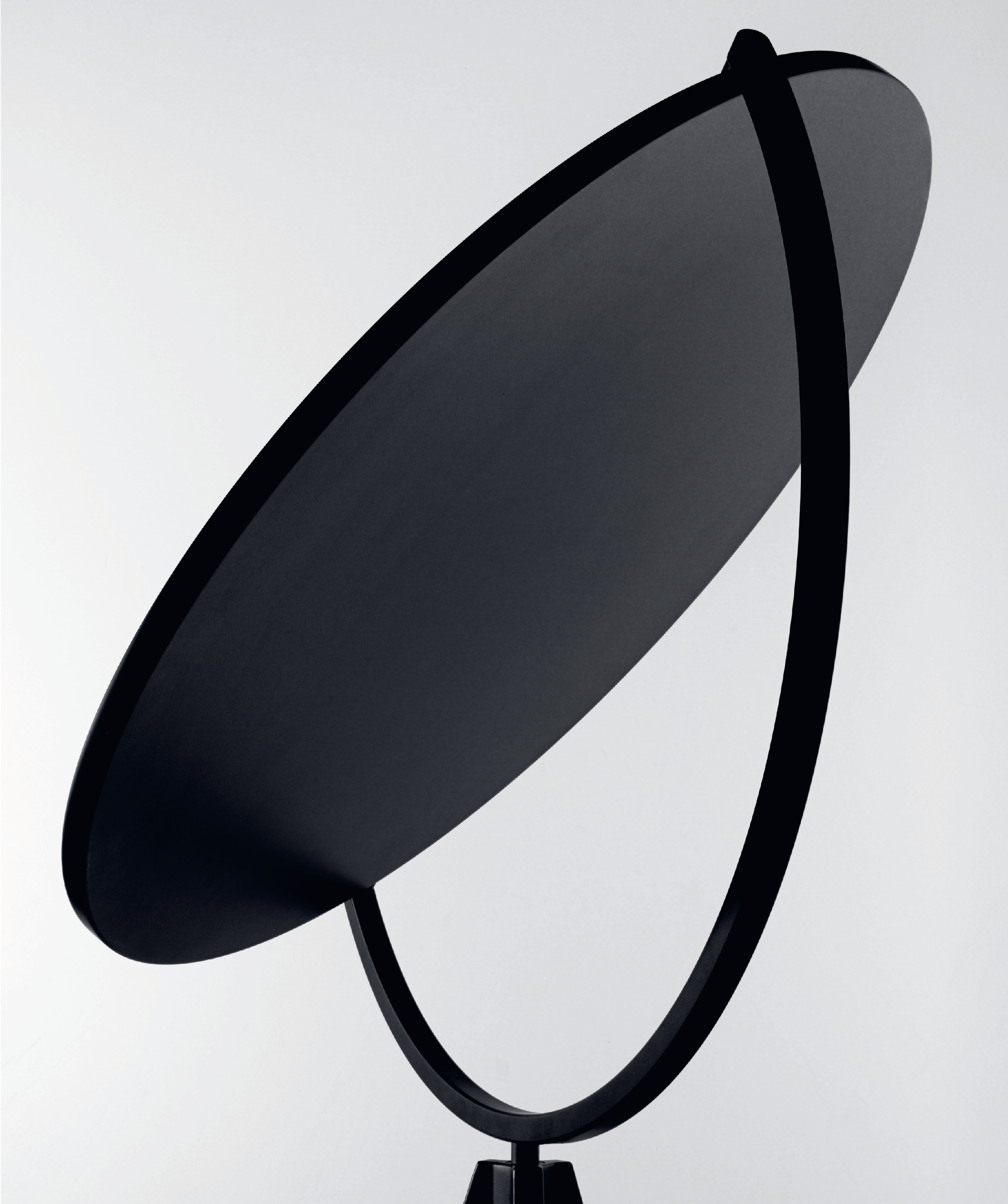
Superloon grew out of an experiment with edge-lit display technology originally developed for electronic devices like smartphones. LEDs positioned along the perimeter of a panel are redirected inward through microscopic prismatic structures, producing an extremely thin and efficient light source. While com- mon in small devices, scaling the technology up proved difficult: the bigger the panel, the harder it becomes to maintain uniformity and visual comfort. Once Flos confirmed the technology could be pushed to a large circular format, Piero Gandini invited Jasper Morrison to develop a lamp around it. Morrison responded with a luminous disk balanced on a tripod that can rotate to provide direct, indirect, or diffused light. Designed for assembly without screws, Superloon translates advanced display technology into a remarkably simple presence in the room. Photography by Nicolas Polli for PIN–UP 40.

Ronan Bouroullec, Luce Sferica / Luce Cilindrica Lighting Collection, 2025. Photography by Nicolas Polli for PIN–UP 40.

Konstantin Grcic, Noctambule Lighting System, 2019. Photography by Nicolas Polli for PIN–UP 40.

Philippe Starck, hooo!!! Table Lamp, 2009. Photography by Nicolas Polli for PIN–UP 40.

Jasper Morrison, Superloon Floor Lamp, 2015. Photography by Nicolas Polli for PIN–UP 40.

Jasper Morrison, Superloon Floor Lamp, 2015. Photography by Nicolas Polli for PIN–UP 40.

Jasper Morrison, Superloon Floor Lamp, 2015. Photography by Nicolas Polli for PIN–UP 40.

Jasper Morrison, Superloon Floor Lamp, 2015. Photography by Nicolas Polli for PIN–UP 40.

Jasper Morrison, Superloon Floor Lamp, 2015. Photography by Nicolas Polli for PIN–UP 40.

Jasper Morrison, Superloon Floor Lamp, 2015. Photography by Nicolas Polli for PIN–UP 40.

Jasper Morrison, Superloon Floor Lamp, 2015. Photography by Nicolas Polli for PIN–UP 40.

Jasper Morrison, Superloon Floor Lamp, 2015. Photography by Nicolas Polli for PIN–UP 40.

Jasper Morrison, Superloon Floor Lamp, 2015. Photography by Nicolas Polli for PIN–UP 40.

Patricia Urquiola, Chasen Floor and Pendant Light, 2007

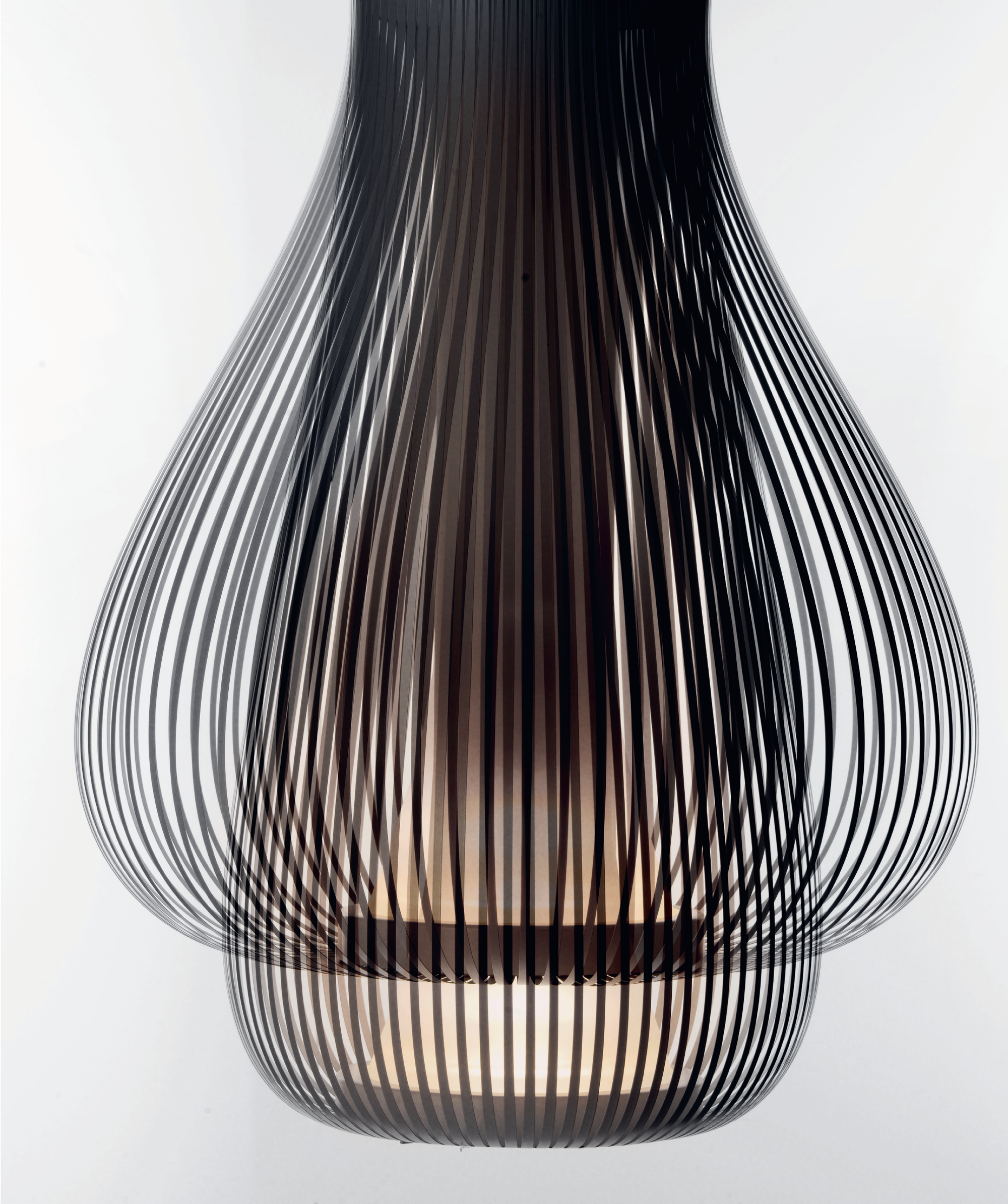
Originally developed for precision tracing, photochemical etching allowed Flos to cut ultra-thin sheets of steel with microscopic precision. When Piero Gandini proposed adapting the technology for a lamp, designer Patricia Urquiola transformed the process into a kinetic object. Named after the Japanese bamboo whisk used to prepare matcha, Chasen opens and closes like a mechanical flower — or a jellyfish in suspension. Its flexible steel “tagliatelle” strands can be compressed into a dense sphere or pulled into a
tall vertical form, allowing the user to sculpt the body of the lamp rather than just switch on a light. For Gandini, the innovation lies less in the source of illumination than in the ability to continuously reshape the object itself. Photography by Nicolas Polli for PIN–UP 40.

Michael Anastassiades, Arrangements Lighting System, 2017

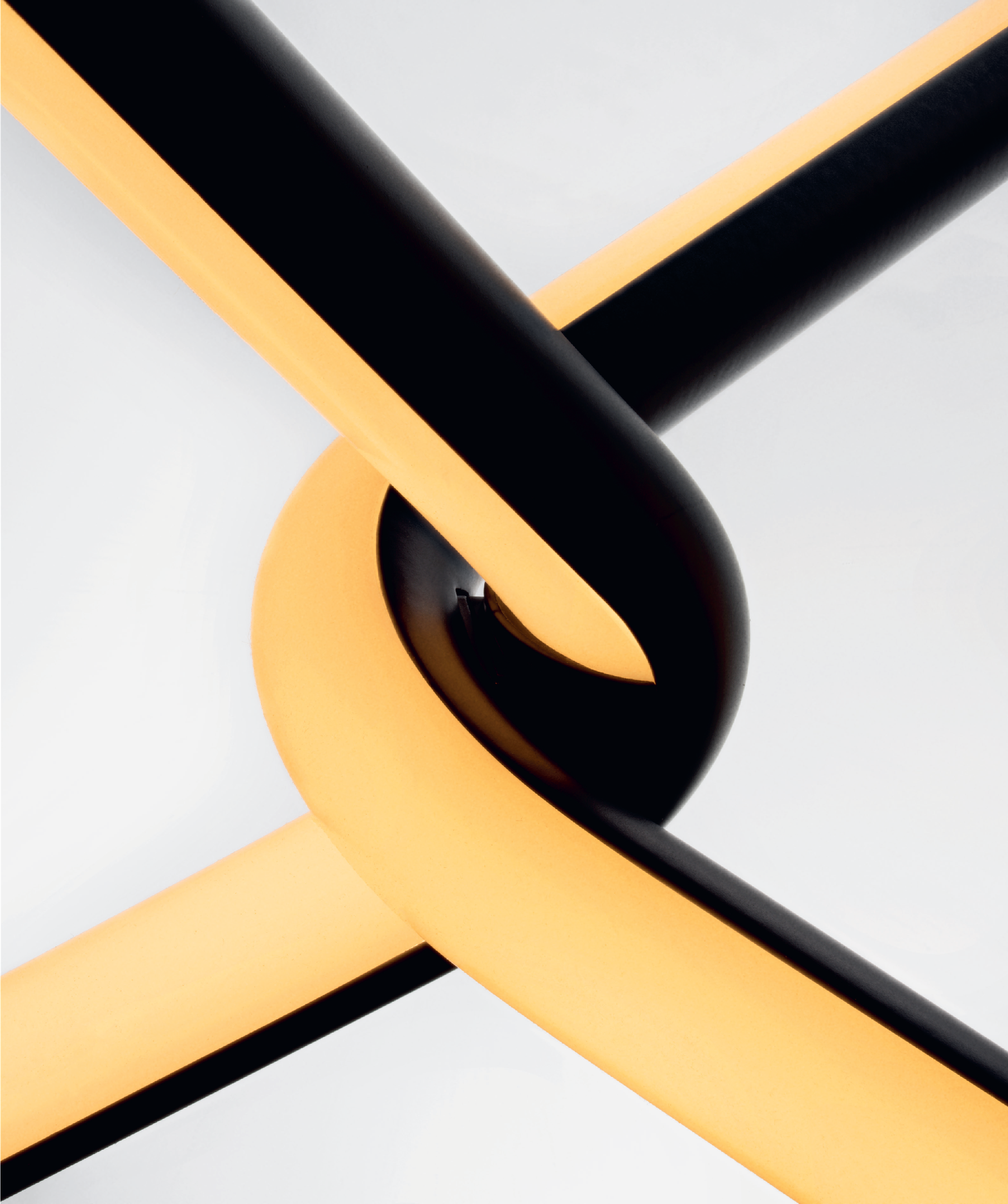
The Arrangements system originated entirely from Michael Anastassiades’s idea that lights could behave like jewelry. Inspired by the way necklaces or earrings combine simple geometric elements, he proposed a family of illuminated shapes that could be composed into different configurations. The challenge for Flos was technical: each element had to connect both mechanically and electrically while keeping the joints almost invisible, preserving the purity of the forms. “The connections had to disappear,” recalls Piero Gandini. “You should only see the geometry of light.” The result is a modular system in which luminous shapes — large and small circles, lines straight and curved — can be layered and balanced in a kind of spatial composition. Arrangements also marked the deepening of Anastassiades’s relationship with Flos, where his restrained geometry has helped define a new generation of contemporary lighting. Photography by Nicolas Polli for PIN–UP 40.

Formafantasma, SuperWire Table Lamp, 2024

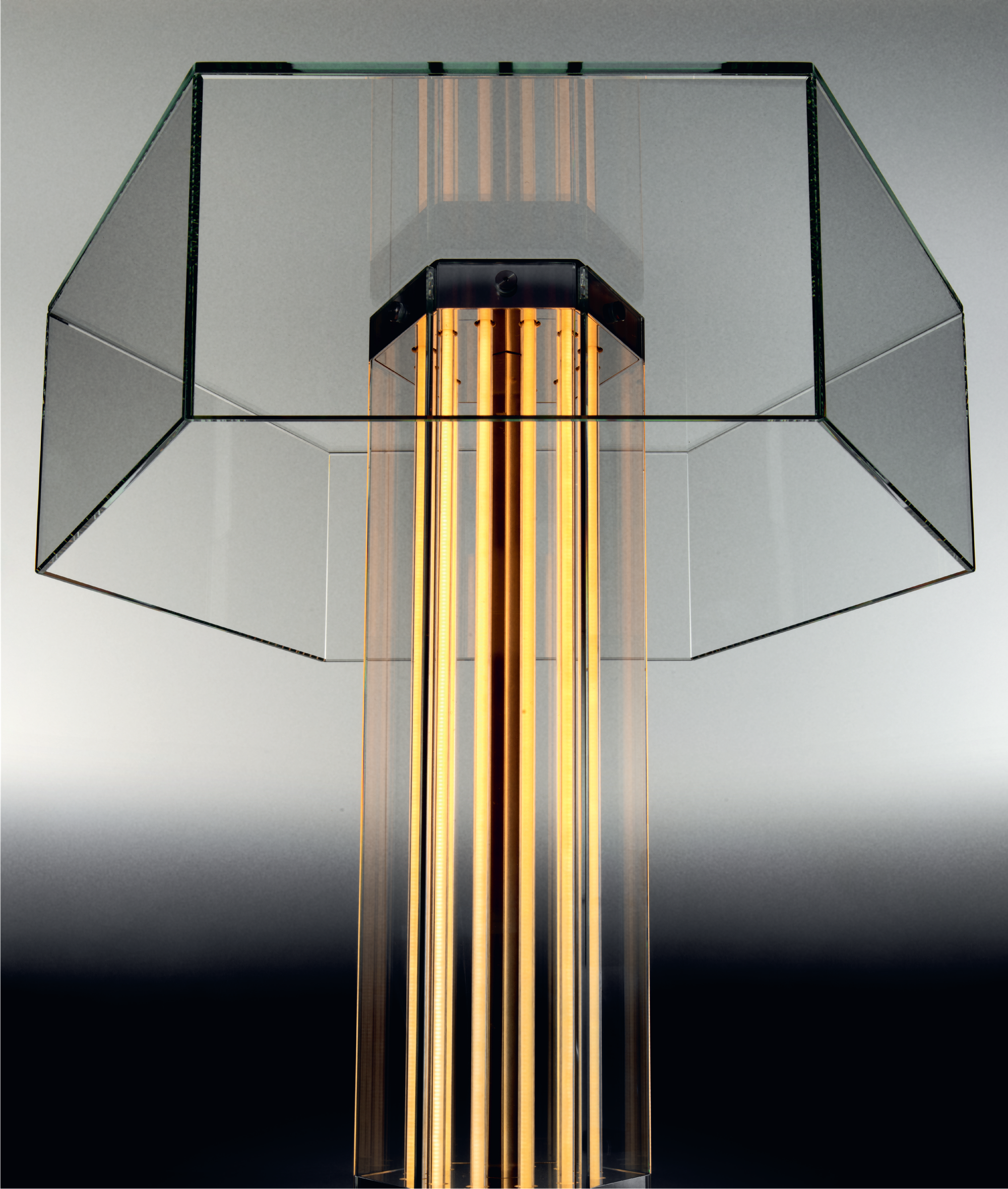
With SuperWire, Formafantasma set out to rethink the relationship between light, structure, and longevity. Built from glass panels held together by visible screws, SuperWire openly displays its construction, forming what Piero Gandini describes as an “abacus.” Running through the lamp is what he jokingly calls a “spaghetti of light”: delicate LED filaments that generate a warm, continuous glow. The project also reflects an ecological logic. Conceived as a reversible assembly, its glass, electronics, and structural components can be separated, repaired, or recycled individually. What appears to be a simple composition of glass and light conceals a carefully engineered system built to last. Photography by Nicolas Polli for PIN–UP 40.

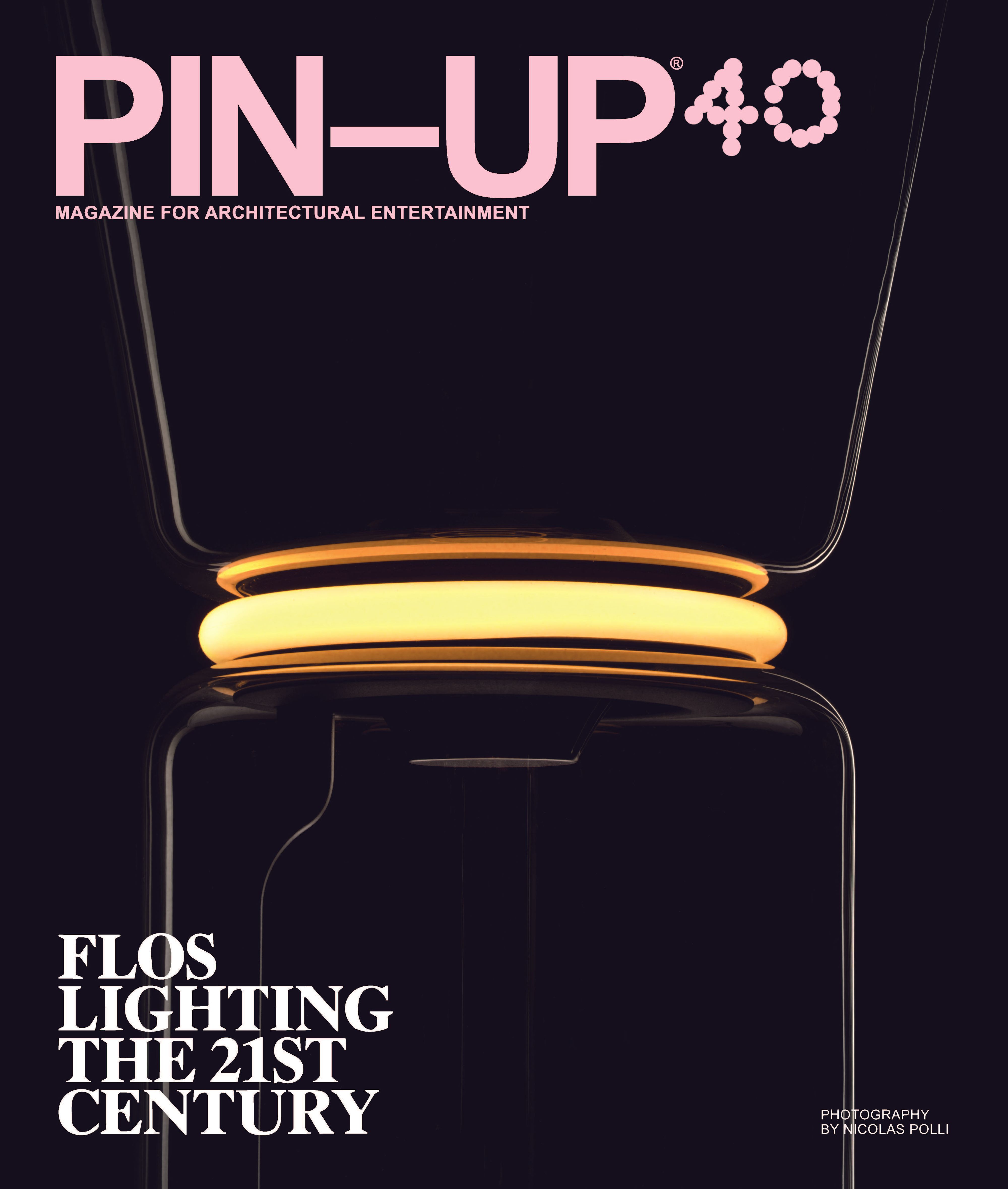
The cover of the Flos booklet as part of PIN–UP 40. Photography by Nicolas Polli for PIN–UP 40.