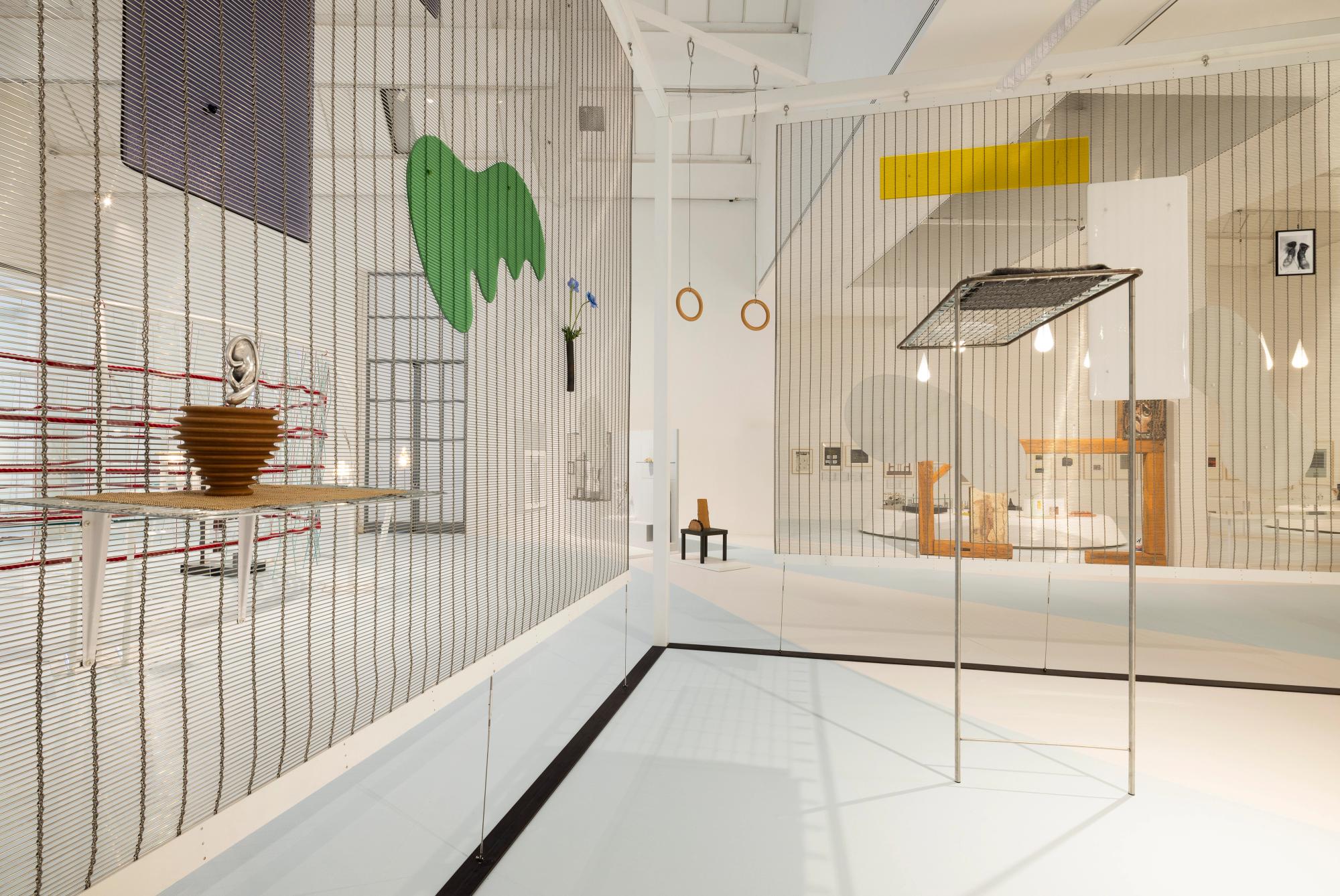
Installation view of Andrea Branzi By Toyo Ito. Continuous Present at the Triennale Milano. Photo by Andrea Rossetti © Triennale Milano.
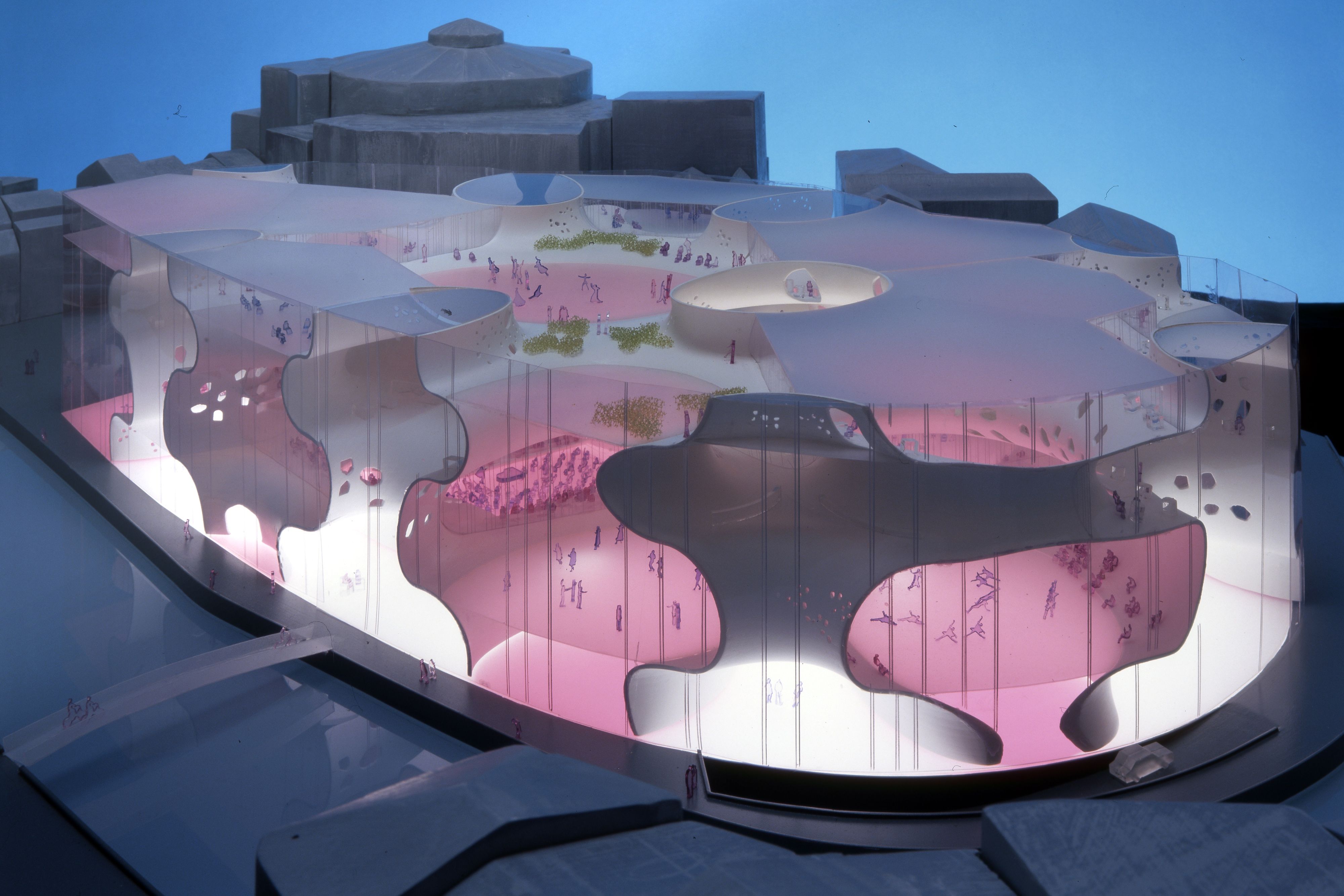
Andrea Branzi and Toyo Ito, Sponge Forum, 2003–04. Photo by Hiroshi Ueda. Courtesy STAM-Ghent City Museum.
How do you solve a problem like Andrea Branzi? This was the question facing Triennale Milano and Fondation Cartier pour l’art contemporain when preparing Andrea Branzi by Toyo Ito. Continuous Present, a major exhibition at Milan’s Palazzo dell’Arte, curated by Nina Bassoli (Triennale Milano) and Michela Alessandrini (Fondation Cartier pour l’art contemporain). Both institutions have maintained a close bond with this iconic architect, designer, professor, curator, and artist with numerous collaborations. Born and educated in Florence, the maverick Branzi (1938–2003) is best-remembered for No-Stop City (1969), a theoretical proposition he developed with Archizoom Associati, the radical Italian architecture group. Founded by Branzi, Gilberto Corretti, Paolo Deganello, and Massimo Morozzi, Archizoom burst onto the scene with Superarchitettura, an ironic demonstration of anti-design they organized with fellow radicals Superstudio in 1966. Branzi’s later practice, which he moved to Milan in 1973, covered everything from theory and writing to furniture, objects, and museum and landscape design, as well as teaching and exhibitions. If he poses a “problem” for curators, it’s not just because his rich and prolific career spanned six long decades, but because he eschewed easily digestible projects in favor of a philosophical enquiry into the nature of space, time, and existence. As its title suggests, was designed by Japanese architect Toyo Ito, who was close to Branzi for almost three decades, and who memorably collaborated with him on a 2004 competition proposal for a concert hall in Ghent.
Developed in collaboration with the teams at Triennale Milano and Fondation Cartier pour l’art contemporain, PIN–UP’s special publication on Continuous Present will be released during Milan Design Week 2026. Below is a first extract from the 12-page book, accompanied by images of the exhibition at Triennale Milano. In the text, Toyo Ito reflects on Branzi, his late friend and colleague.
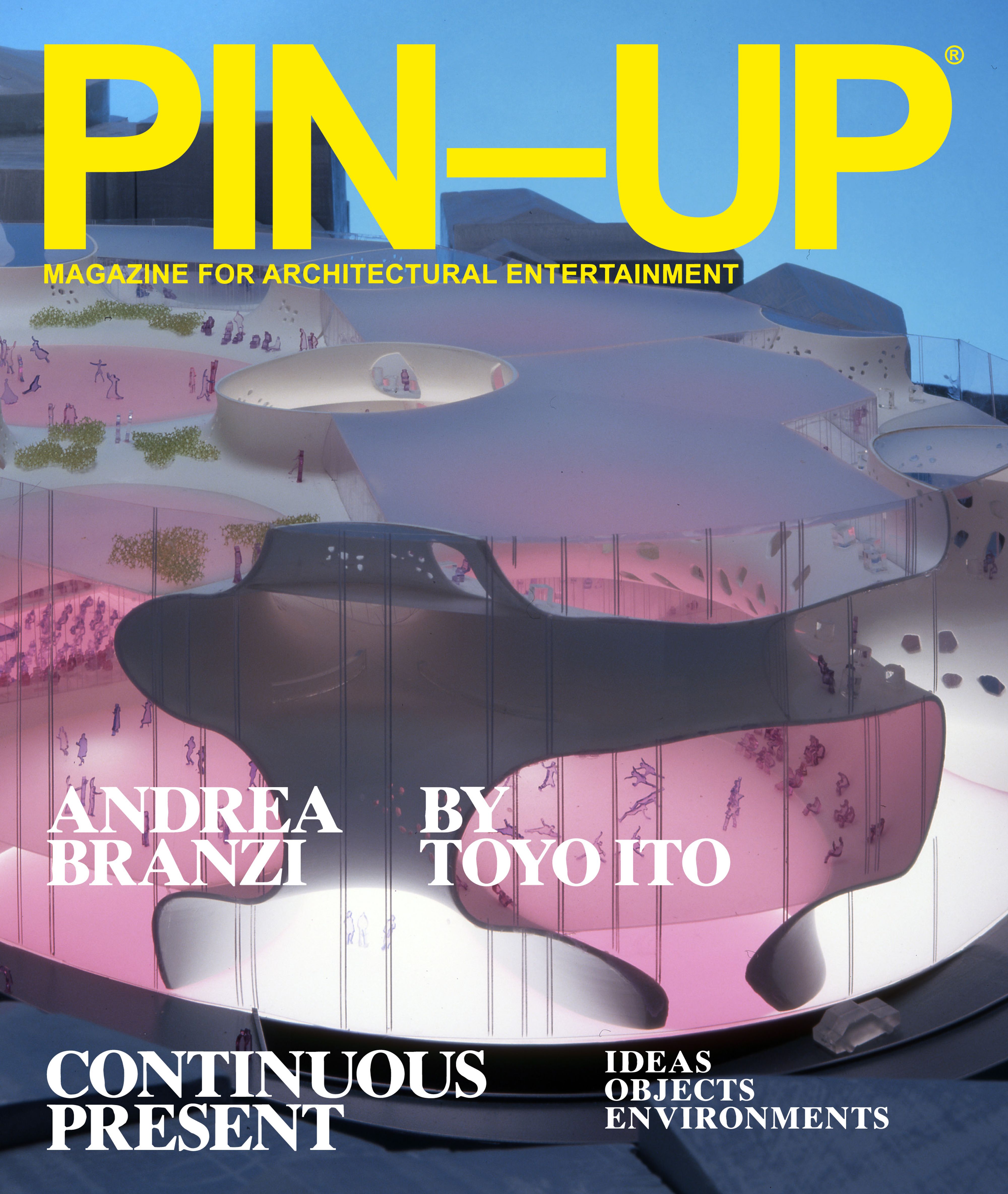
PIN–UP presents: Andrea Branzi by Toyo Ito – Continuous Present. A special publication edited by Andrew Ayers for PIN–UP, in partnership with Triennale Milano and Fondation Cartier pour l’art contemporain. Availalable in PIN–UP 40, Spring Summer 2026.
“The projects of the two radical Italian groups, Archizoom and Superstudio, were extremely stimulating for young architects in the late 1960s. I particularly remember that Arata Isozaki introduced Archizoom and Superstudio in his book Dismantling Architecture, which left a strong impression on me. Later, I became close to Andrea Branzi both personally and professionally, a relationship that lasted nearly 30 years. We worked together on the installation of a Japanese show about Italian design, but what remains most memorable to me is our collaboration on the competition for the concert hall in Ghent, which Andrea named 'Sponge Forum.' The idea was that, just like a sponge full of holes, the building would be permeated by urban space. Our Japanese team led the design development, while Andrea articulated a clear and compelling theoretical framework. It was a highly radical proposal, and the fact we were able to put it forward owed a great deal to Andrea’s ideas. The project was not understood by the organizers, and therefore not selected. But the following year, there was a competition for the Metropolitan Opera House in Taichung, Taiwan, and we submitted a proposal using the same structural system, which was ultimately realized. Nonetheless, the Ghent project was the more radical. Andrea believed that all contemporary urban and product design would ultimately be consumed, and never engaged in commercially driven design. He consistently asked the questions 'What is the city?,' 'What is architecture?,' and 'What is design?,' and was only involved in design as an expression of thought. I believe such a position is important in a society that prioritizes economic interests above all else. In the latter part of his life, Andrea arrived at a state resembling animism — an attitude of reverence towards nature that precedes Modernism. He expressed this idea, in which there is neither past nor future and all living beings are equal, under the title 'continuous present.' In the exhibition, I wanted to express Andrea’s ideas as a spatial experience of flows and eddies. For a long time, I have been wondering whether it might be possible to create architecture that follows such flows. In contemporary society, this is quite difficult to realize, but it has been the most important theme in my architectural life.” — Toyo Ito
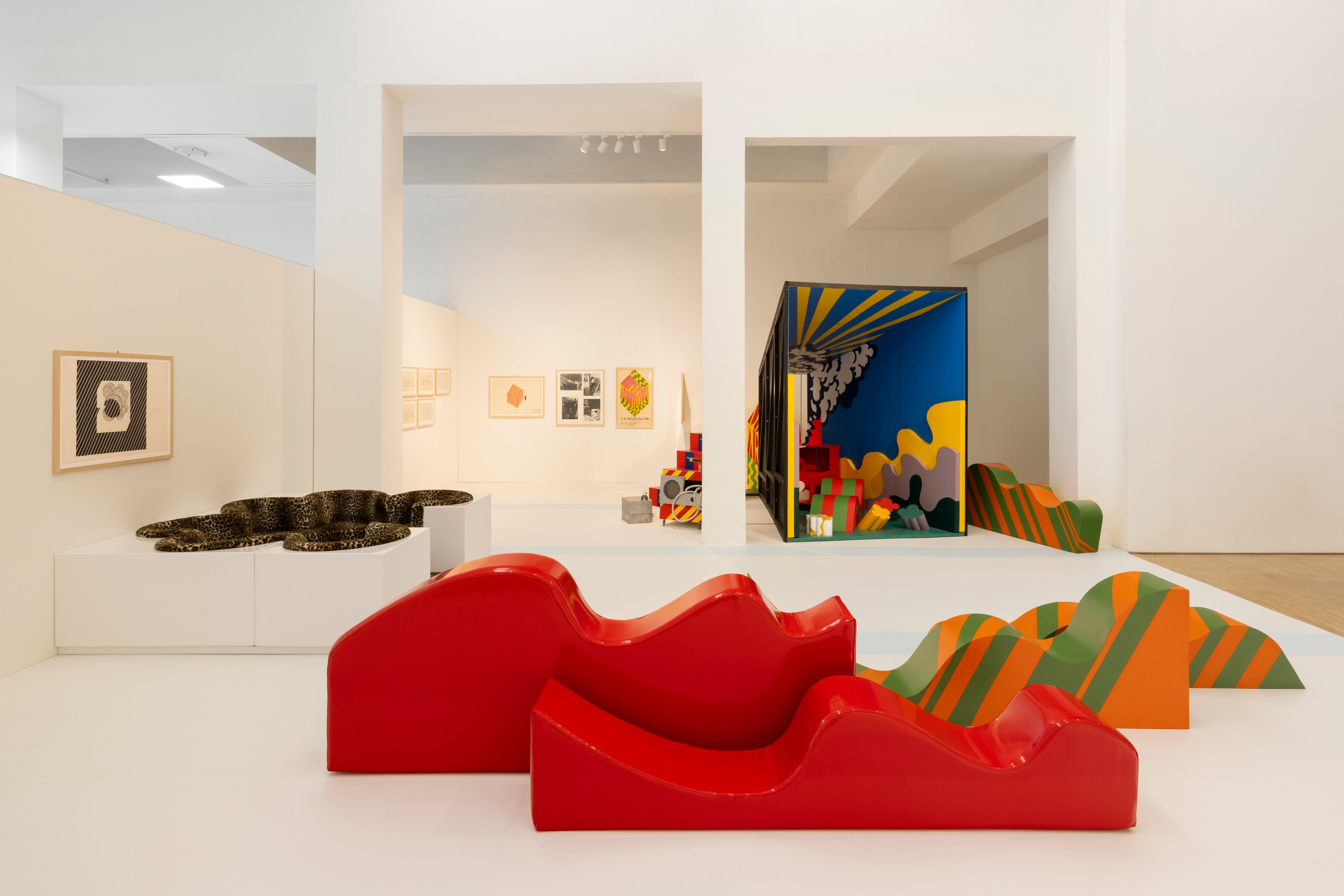
Installation view of Andrea Branzi By Toyo Ito. Continuous Present at the Triennale Milano. Photo by Andrea Rossetti © Triennale Milano.
Installation view of Andrea Branzi By Toyo Ito. Continuous Present at the Triennale Milano. Photo by Andrea Rossetti © Triennale Milano.
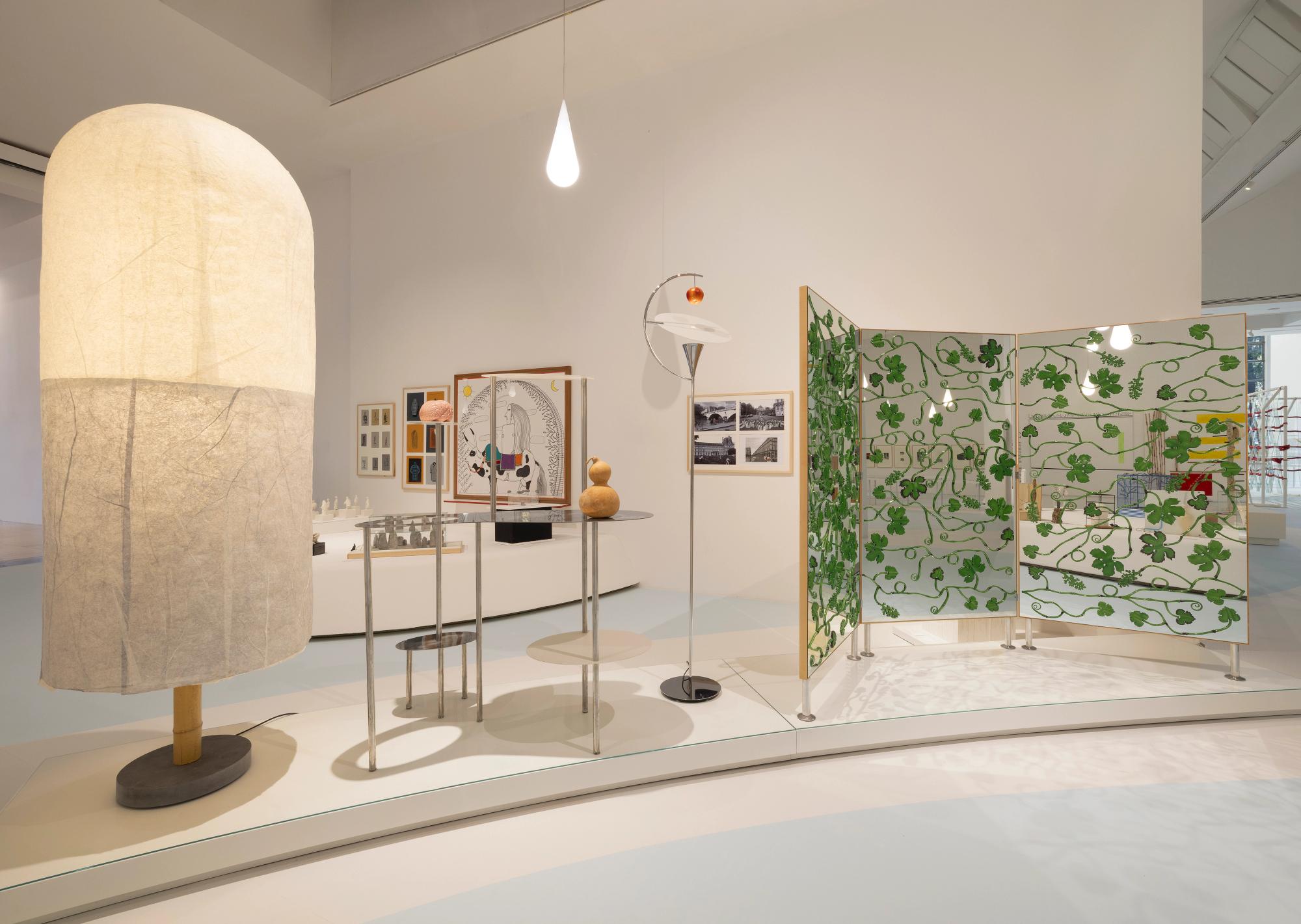
Installation view of Andrea Branzi By Toyo Ito. Continuous Present at the Triennale Milano. Photo by Andrea Rossetti © Triennale Milano.
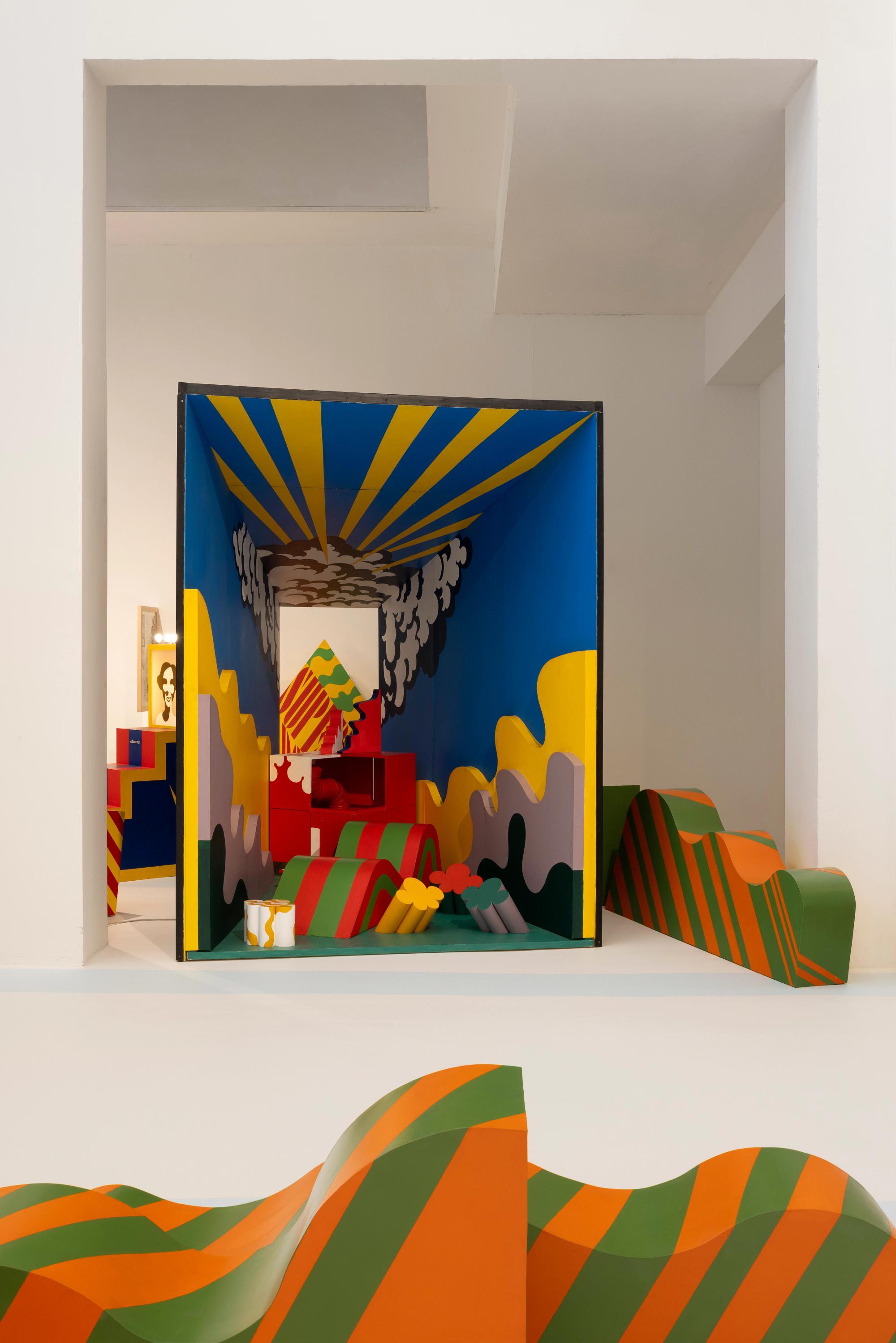
Installation view of Andrea Branzi By Toyo Ito. Continuous Present at the Triennale Milano. Photo by Andrea Rossetti © Triennale Milano.
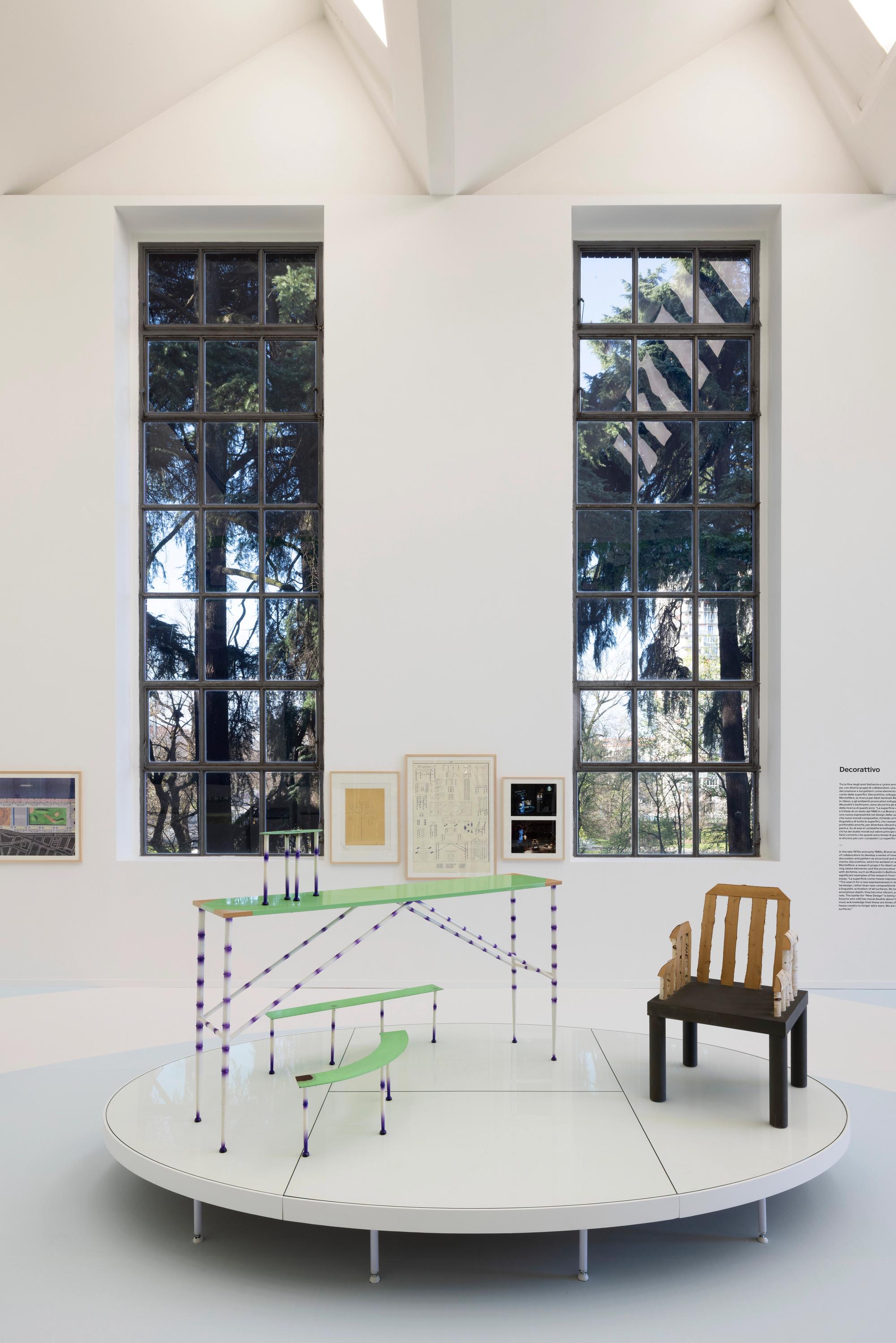
Installation view of Andrea Branzi By Toyo Ito. Continuous Present at the Triennale Milano. Photo by Andrea Rossetti © Triennale Milano.