BILBAO EFFECT

Tatiana Bilbao on Architecture as Care

by Shumi Bose

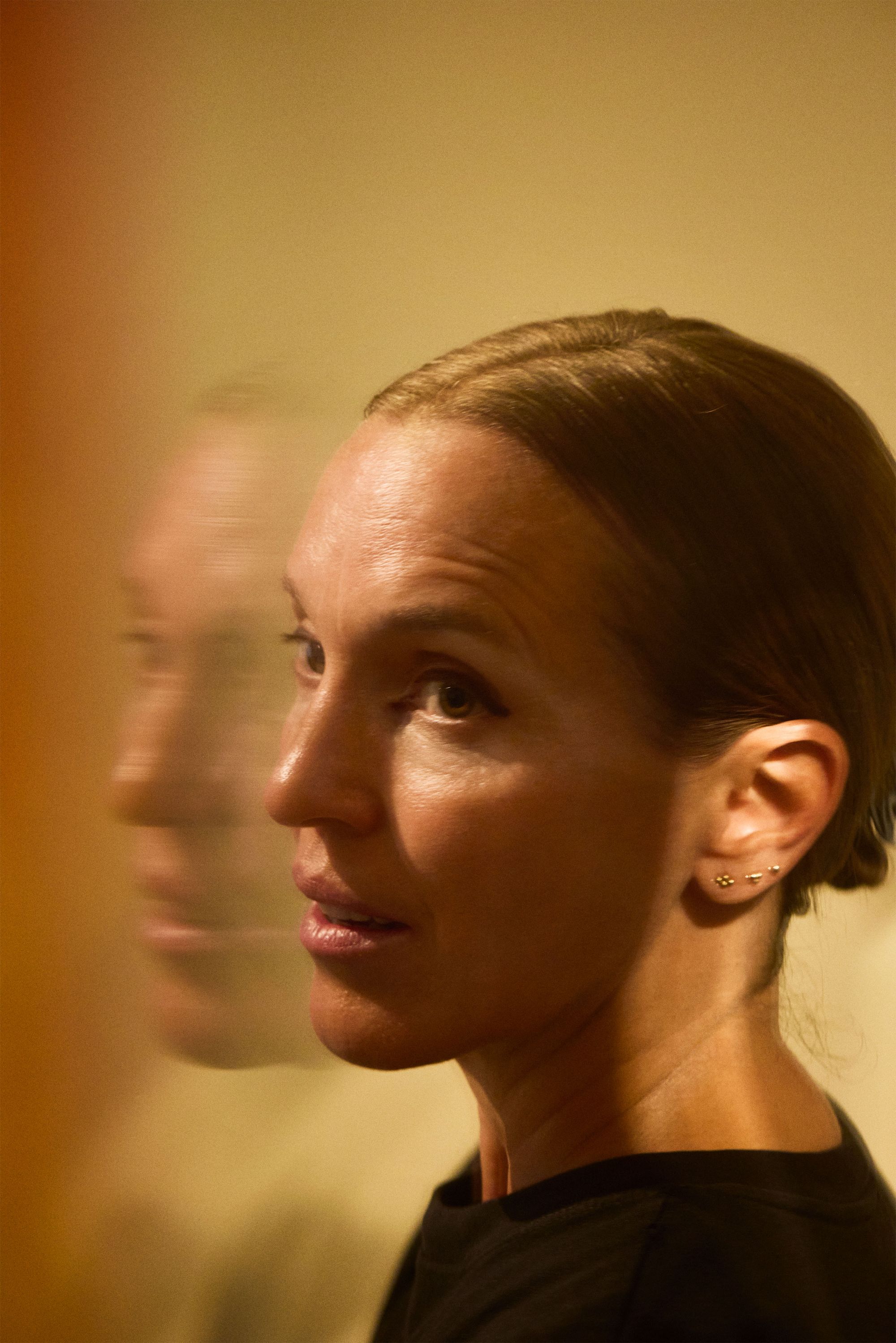
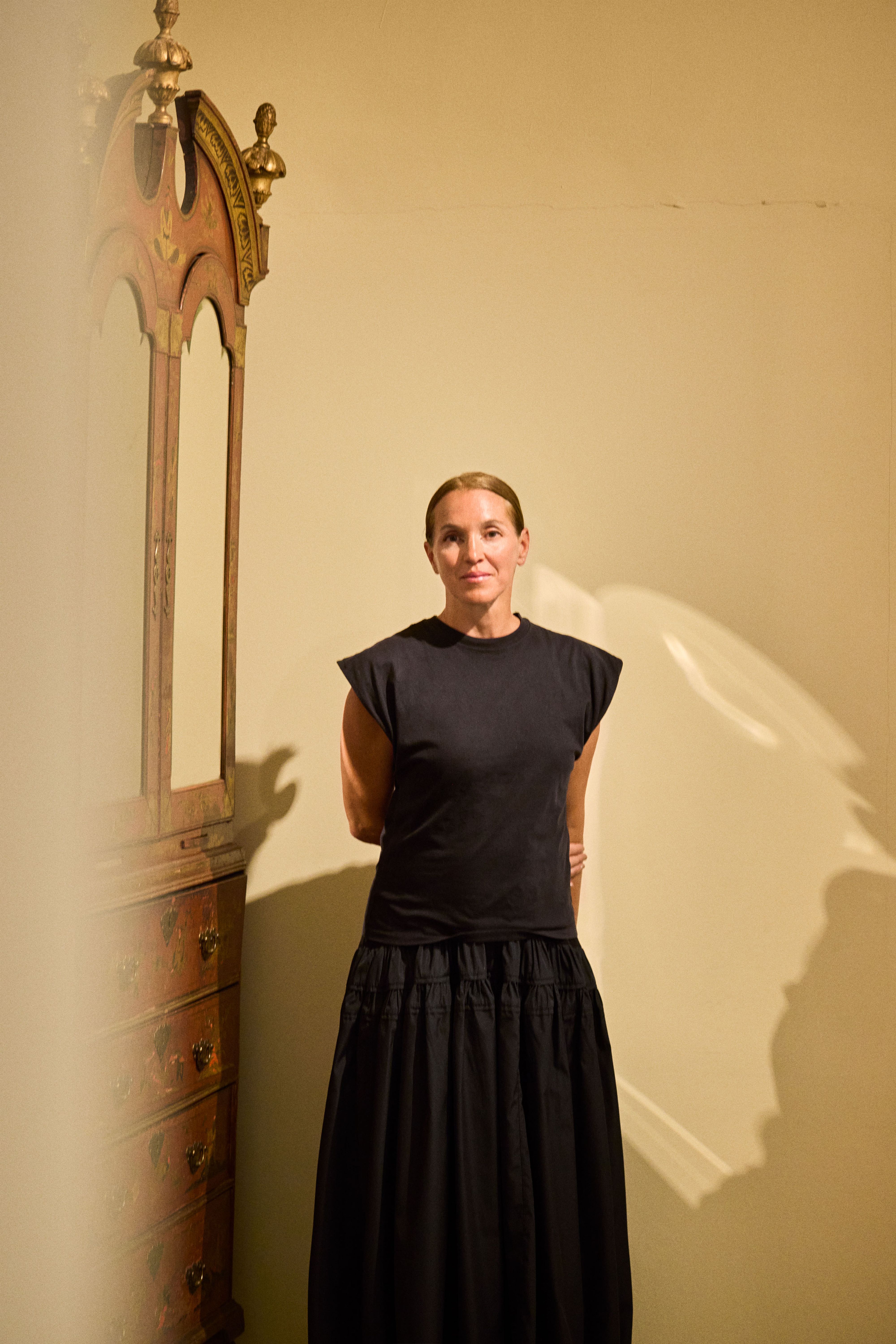
Tatiana Bilbao photographed by Daniel Riera for PIN–UP 39.

For the past two decades, Mexican architect and educator Tatiana Bilbao has been quietly rewriting what the “Bilbao Effect” can mean. Rather than foregrounding starchitectural aura, her version focuses on architecture’s continuous insistence on care, from the micro-scale of the kitchen sink to the macro-scale of Mexico’s constitutional right to housing. Her practice insists that design is never neutral, but mediates bodies and ecosystems, between intimacy and collectivity, between our most private rituals and our shared political realities. For Bilbao, domesticity is neither confined to four walls nor to the “diabolical” concept of the nuclear family — it extends to the laundry in the plaza, the hammock in the botanical garden, the social quilt stitched together from a collective engagement. In the conceptual exhibition La ropa sucia se lava en casa at the National Gallery of Victoria (Melbourne, Australia, 2022), she and her namesake studio laid bare the invisible labors that keep households and societies functioning; in the L.A. neighborhood of Boyle Heights, her preliminary design for an affordable housing complex includes a museum space for Chicano art, where patterns of social and cultural sustainability can take shape. “Architecture is a primary form of care,” she says — a phrase that could easily serve as her entire manifesto. It is also a counterpoint to the object-driven impulses of much the past 100 years of architectural production. That doesn’t mean that Bilbao abandons form and beauty, but that she enfolds them within larger questions of social responsibility, kinship, and coexistence — call it “holding space,” if you like. Though, with Bilbao, the space in question is never abstract — it is lived, embodied, insistently plural, and of course, beautifully made. For PIN–UP and KoozArch chief editor Shumi Bose, Bilbao held space during her summer break in Spain, where she shared the genesis of her interest in housing, the importance of a good blender, and why a home is never just a house.

Inspired by Diego Rivera’s Man Controller of the Universe, in which a man clutches a machine to command the world, Tatiana Bilbao’s design for the Sea of Cortez Research Center (2023) takes the aquarium as a symbol of that same belief in human domination through technology. But rather than assert control, the project imagines a speculative future: in the year 2289, people stumble upon a mysterious structure built in 2023, long since flooded by seawater and later reclaimed by thriving life. The project underscores architecture’s role in reconnecting humanity with the natural world as a condition for survival. Photo © Juan Manuel McGrath, courtesy Tatiana Bilbao ESTUDIO.

Shumi Bose: While preparing for this interview, I enjoyed learning about your early days working as an advisor in the Mexico City government’s ministry of development and housing. The domestic realm has been consigned to women for a longtime, and not only in architecture. Yet in your career, there’s a certain grounding in the civic and political scale of operations, which I think is a crucial foundation.

Tatiana Bilbao: Well, I was only 24, so I didn’t really know much about domesticity — I didn’t have a family of my own, nor had I lived by myself. But I always understood architecture as a primary form of care. I don’t think I defined it so clearly until about ten or 15 years ago, but I understood it the same way back then. In Mexico, housing is a constitutional right, so I always thought that this was my path, where I wanted to work. At first, I really liked the idea of the social production of space: I did my thesis on an urban plan for the historic center of Mexico City, with a proposal that involved creating domestic realms in public space. We spoke about humanizing urban space, making it more pedestrian, more than a place to buy things. For me, it was about the idea of domesticizing — I didn’t use that word at the time, but that was exactly what was doing. At the beginning of my career, when I was working at a really small firm, I was invited to join Mexico City’s ministry of development and housing. I couldn’t have been prouder, it was really what I wanted — after that thesis, it seemed like my dream job. It was only when I got there that I realized it wasn’t.

That’s often the way, right?

I had imagined myself being the thinker, the designer of the future of social space in both the public and private realms. But the reality was much more about the administration of public space. I realized that I wanted to work in the private realm or in academia, in collaboration with the city government, and that’s what I started to do.

I can imagine the disillusionment — and the subsequent recalibration. But that led you to start your own practice, Tatiana Bilbao ESTUDIO, in 2004.

Exactly. And, as I said, I was already interested in housing as a constitutional right. That was a very big mandate for the ministry of development and housing.

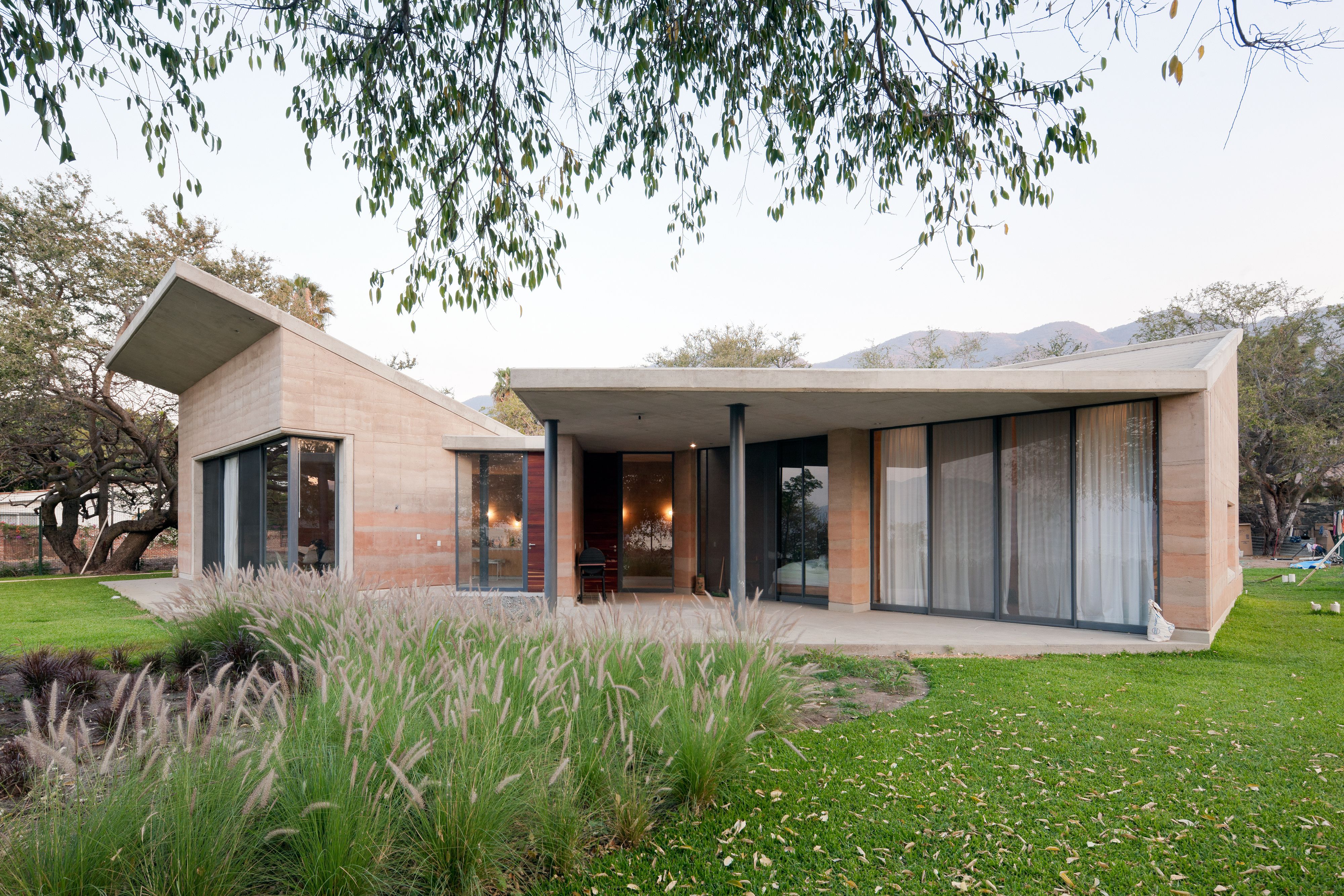
Tatiana Bilbao’s Casa Ajijic (2010), built in a small town outside Guadalajara, responded to budget limits by turning to the most abundant material already on site: earth. Four intersecting cubes — two aligned with the lakeshore and two rotated at 45 degrees — created a flexible layout. The earthen walls not only expanded square footage but also provided natural thermal insulation, ensuring the home’s durability. Photography by Iwan Baan, courtesy Tatiana Bilbao ESTUDIO.

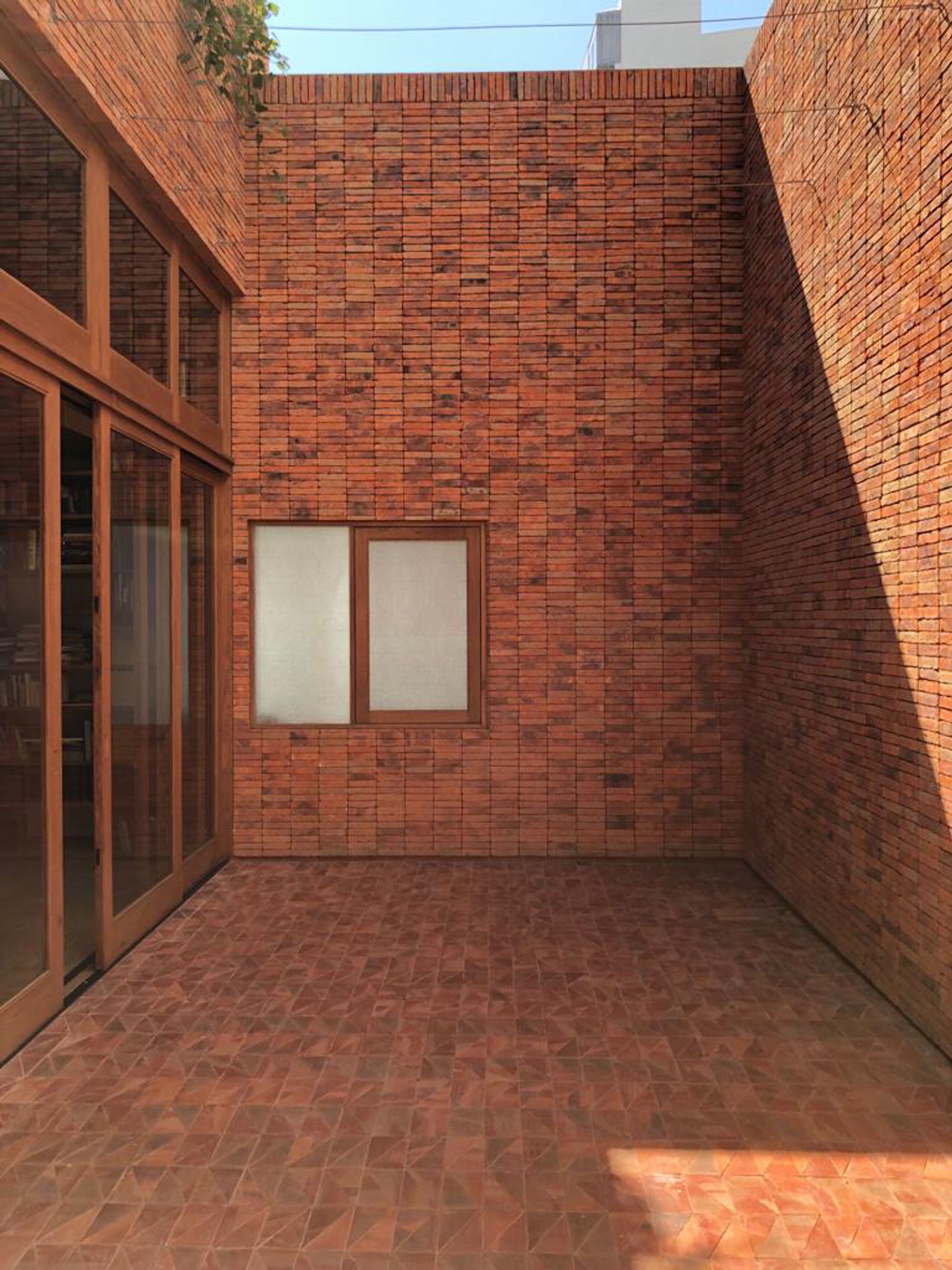
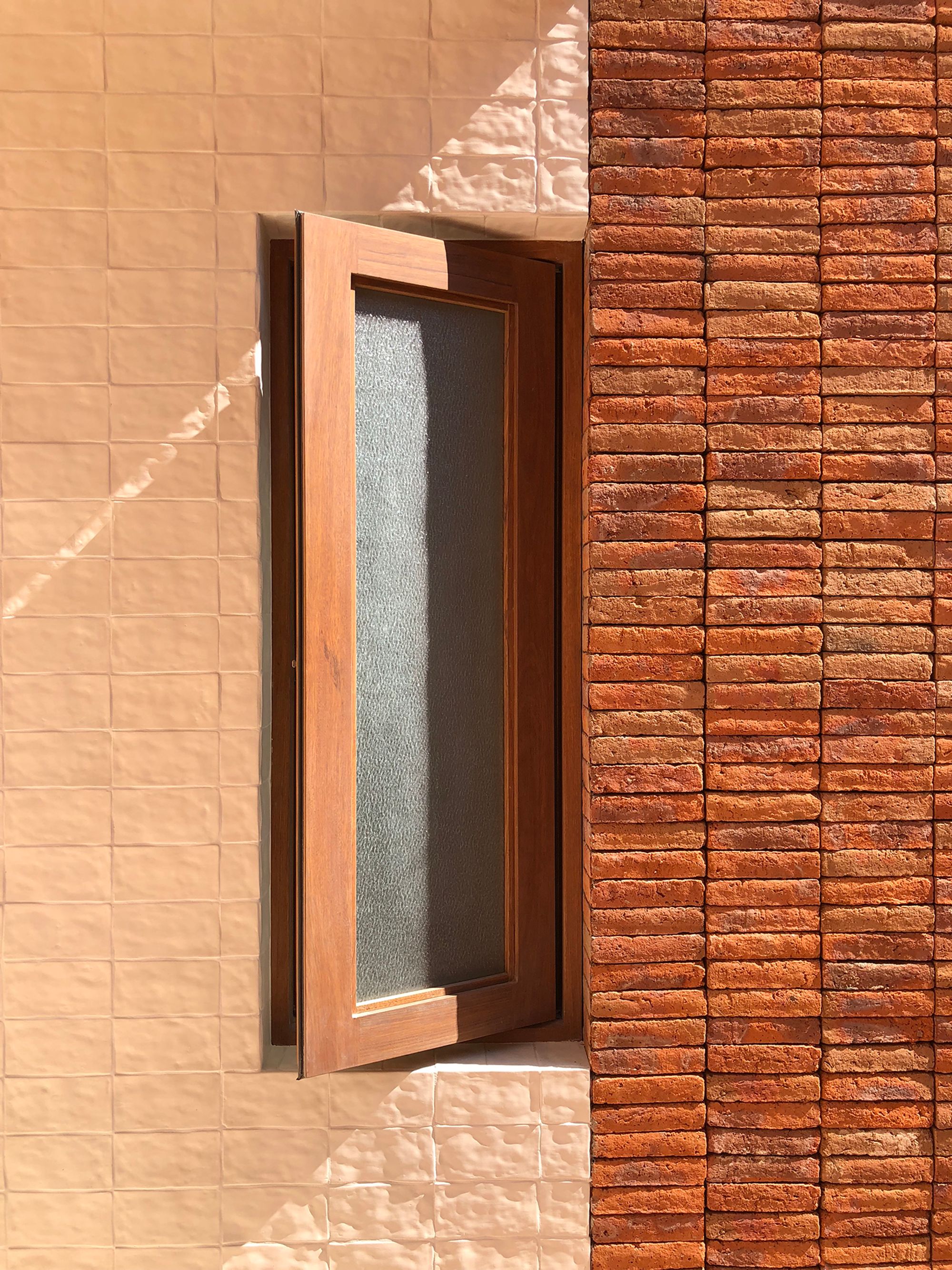
Casa Del Parque (2018) in Mexico City was designed as an extension of family life. Oriented toward a neighboring park, its layout balances openness to the landscape with privacy from the street. Both the façade and interiors are defined by brick, complemented by wood and ceramics, with spaces shaped to accommodate cherished furniture and artworks. Image courtesy Tatiana Bilbao ESTUDIO.

Detail of Casa Del Parque. Image courtesy Tatiana Bilbao ESTUDIO.

Do you think your clear sense of a civic responsibility toward housing a huge population comes from the Mexican context, where inequality can be very visible?

Definitely. Understanding that architecture provides a basic form of care — serving a very basic human need — was very clear, because it’s so visible in Mexico City. It really is necessary and, unfortunately, it’s something that has not yet been fulfilled for everybody. I studied at a very strange moment for architecture. It was the early 90s, and Mexico was going through a boom. In school, we were being taught that architecture was parametric — geometric forms produced by computers that we didn’t have and didn’t know how to use. But I had one professor who took us to build houses with our own hands in hill towns and rural areas — that was really where I learned. To me, that was architecture, not the stuff we saw at school. With this professor, we built a house with the community. So when I graduated and went into the world, I saw architecture as providing this primary form of care. You don’t need expensive materials or geometric somersaults to fulfill basic needs. I began to realize that a house is not just a house. It’s not about designing a perfect plan to be reproduced on a massive scale. I started to think about the way we live. Domesticity is what we do every hour of every day of our existence, it’s where we socialize, shop, and work, everywhere and anywhere. There’s not much of a divide between the domestic and the outside.

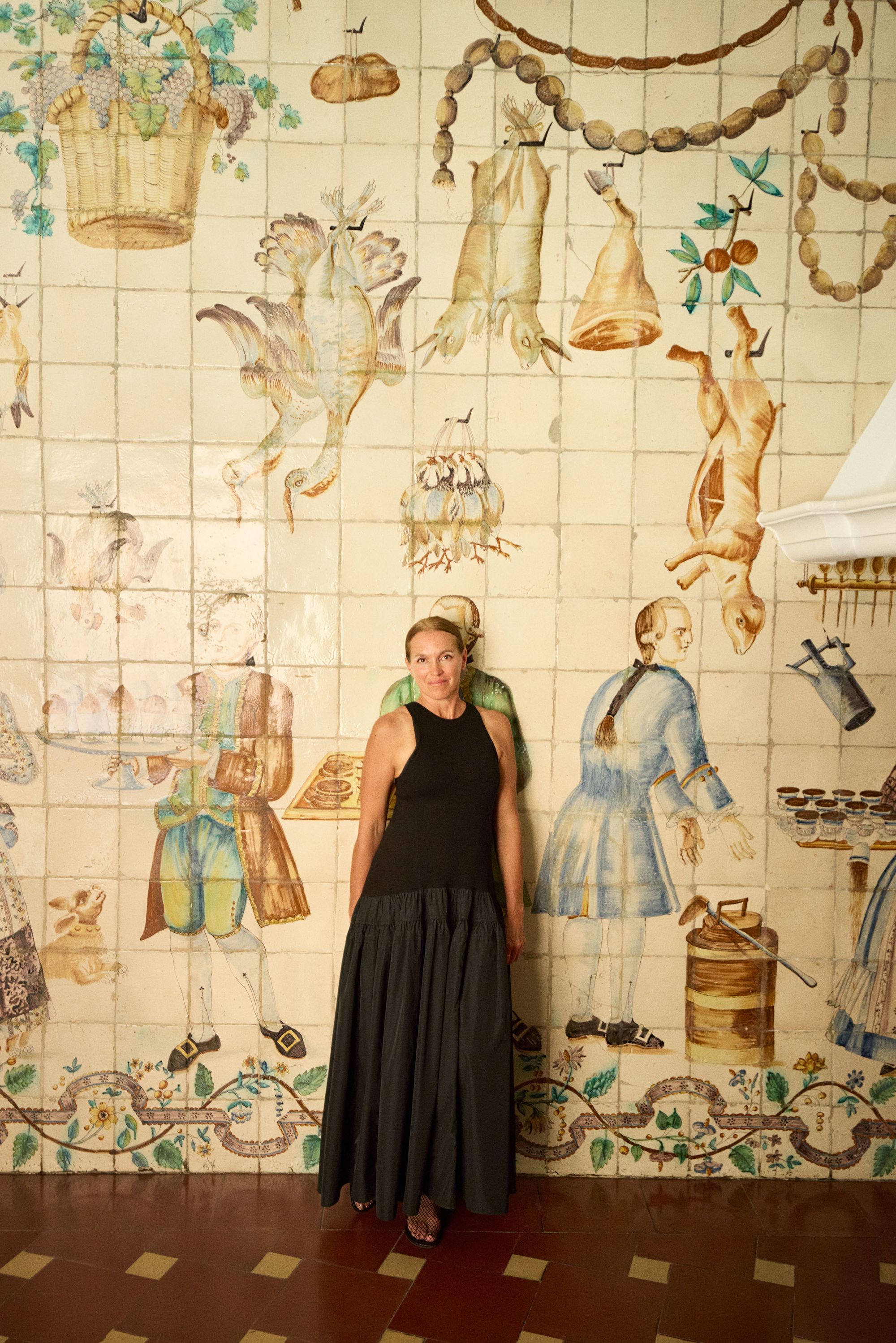
Tatiana Bilbao photographed by Daniel Riera for PIN–UP 39 in the 18th-century Valencian kitchen at the National Museum of Decorative Arts in Madrid.

Portrait by Daniel Riera for PIN–UP 39.

I guess we try to make the Earth inhabitable in various ways, sometimes against the will of nature, sometimes not. But I love the way you seamlessly flow between the scale of the country, the city, and the house.

I think our condition is intrinsically linked to our human scale: we need our own individual bodies to exist on this planet, but we also need each other. When I said a house is not just a house, it’s about creating this condition which is both intimate and social. There are spaces to be with your intimate being and spaces for your fulfillment and for interconnectedness. I understand domesticity as this extension from your inner body to your external social life. I’ve dedicated my entire career to this, through both academic research and built projects. The studio I run at Yale allows me to explore the topic further. Take, for example, my firm’s work on the Botanical Garden in Culiacán, Mexico [a two-decade project, begun in 2005, to add various structures to accommodate a new art program in what was already a very important civic and social space in the city]. I think of it as a living room and a dining room, and why not a bedroom as well — we have hammocks! But I also think about the house as a garden, where people create social encounters and a collective environment.

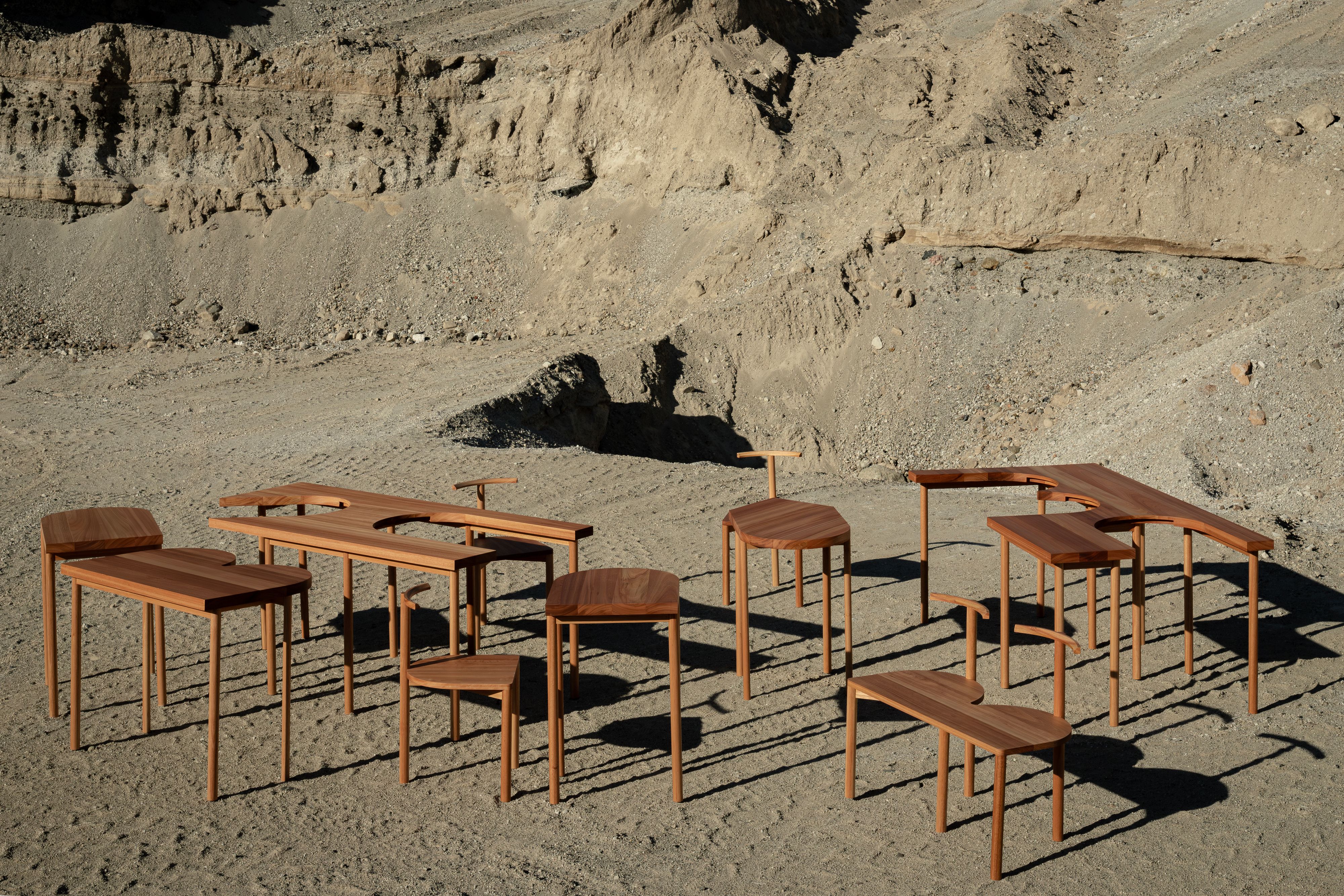
Tatiana Bilbao’s ¿Mesa para cuántos? envisions a table with an integrated set of chairs. Rejecting notions of standardized living, the furniture is designed to adapt to the needs and movements of the body within an ever-changing domestic choreography. Photography by Rafael Palacios Macías, courtesy Tatiana Bilbao ESTUDIO.

I was just thinking about how the domestic realm can become a space of social encounter, and public space can be a site for intimate exchanges or even solitude. In your Yale studio, you’ve examined themes such as “Domestic Imaginaries,” “Housing: The Constitutional Right,” and “Domestic Realities, Urban Utopias.” I notice that my students are aware of their political role, but they’re also deeply aware of their burdens — financial, ecological, and otherwise. I teach in the U.K. and you teach in the U.S., where formal education costs a lot of money. But I do see future generations of architects responding to this notion of care across scales, rather than solely through the house as an experimental object, as was often the case in the 20th century.

I have never been able to think of architecture as an object — in fact, that’s one of the things that, at the beginning, made me doubt whether I was really an architect at all. I have always thought of architecture as a platform for life to evolve and exist and be. When you think of doing that as an art, it’s a different profession. I use geometry and proportions and materiality as tools for those buildings to exist, rather than as their definitions. That’s also embedded in what I teach: we need to think about the production of space in a very different way — at least I hope that comes across. Perhaps, in previous years, I was not talking about care per se, but I think that I’ve always described architecture as a protective structure — or maybe a structure that mediates between us and the ecosystems in which we find ourselves, with which we interact to create our own ecosystems.

That’s the dream, right? To create a framework in which the occupants can inscribe their own form of life. I’d like to hear about the installation La ropa sucia se lava en casa at the National Gallery of Victoria, which translates to “Dirty laundry is washed at home.” For me, it speaks to a lot of things, not only the public-private divide, but also domestic labor and questions around the contours of the family.

Yes. The installation was a commission from the National Gallery of Victoria in Melbourne, which we did during COVID when everyone was trapped inside their homes. There was no way we could talk about anything other than the domestic labor crisis in which we were living. I don’t think that particular crisis has ever been so clear. Have we really set up a system where certain people have to expose themselves to a deadly virus to be able to get food on their plates? We, the privileged ones, were inside our homes, working online, thinking it was so hard to manage. I mean, come on! It’s great that housing is a constitutional right in Mexico, but the problem is how it operates: you have to be part of the formal productive system in order to pay for social housing, meaning that it addresses very few people relative to the need. In that context, laundry connected a lot of things. Clothes are the primary layer of protection for the human body, while architecture, we might say, is the second. Also, the fashion and garment industries are very exploitative; when we talk about clothes, we really embed these histories of waste and exploitation. Then there’s the process of taking care of those clothes, which is exactly the same. Who washes them? Who prepares the clothes that enable you to be your productive self? It’s also one of the most accessible ways to talk about reproductive labor. Moreover, until relatively recently, laundry was a public activity.
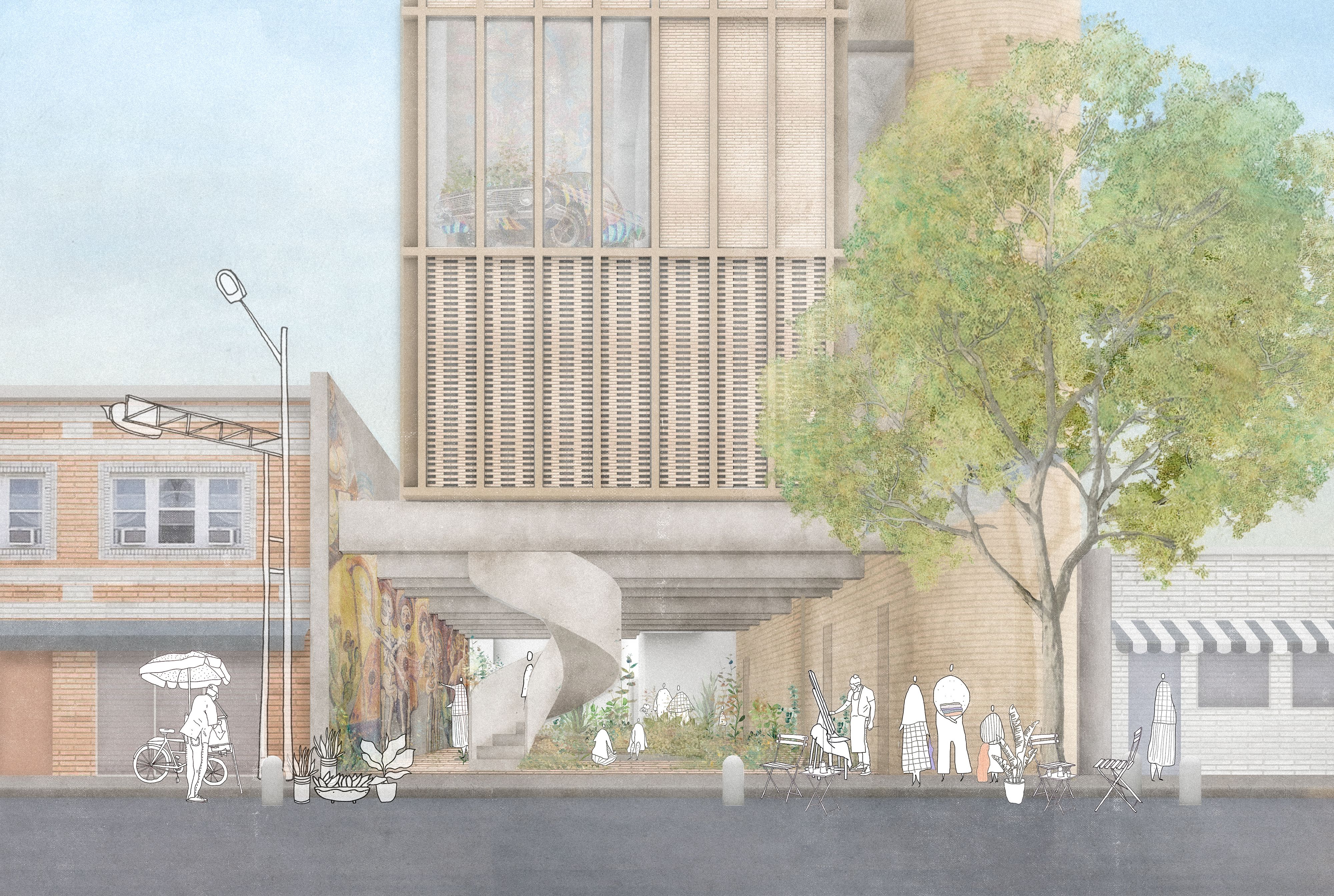
Bilbao’s proposal for Xola (2023–ongoing), a mixed-use affordable housing complex in Boyle Heights, Los Angeles, diverges from convention by replacing commercial frontage with a six-story art museum. Behind it rises a ten-story residential block with 19 affordable units. Courtesy Tatiana Bilbao ESTUDIO.

How did you tackle the topic in the National Gallery of Victoria?

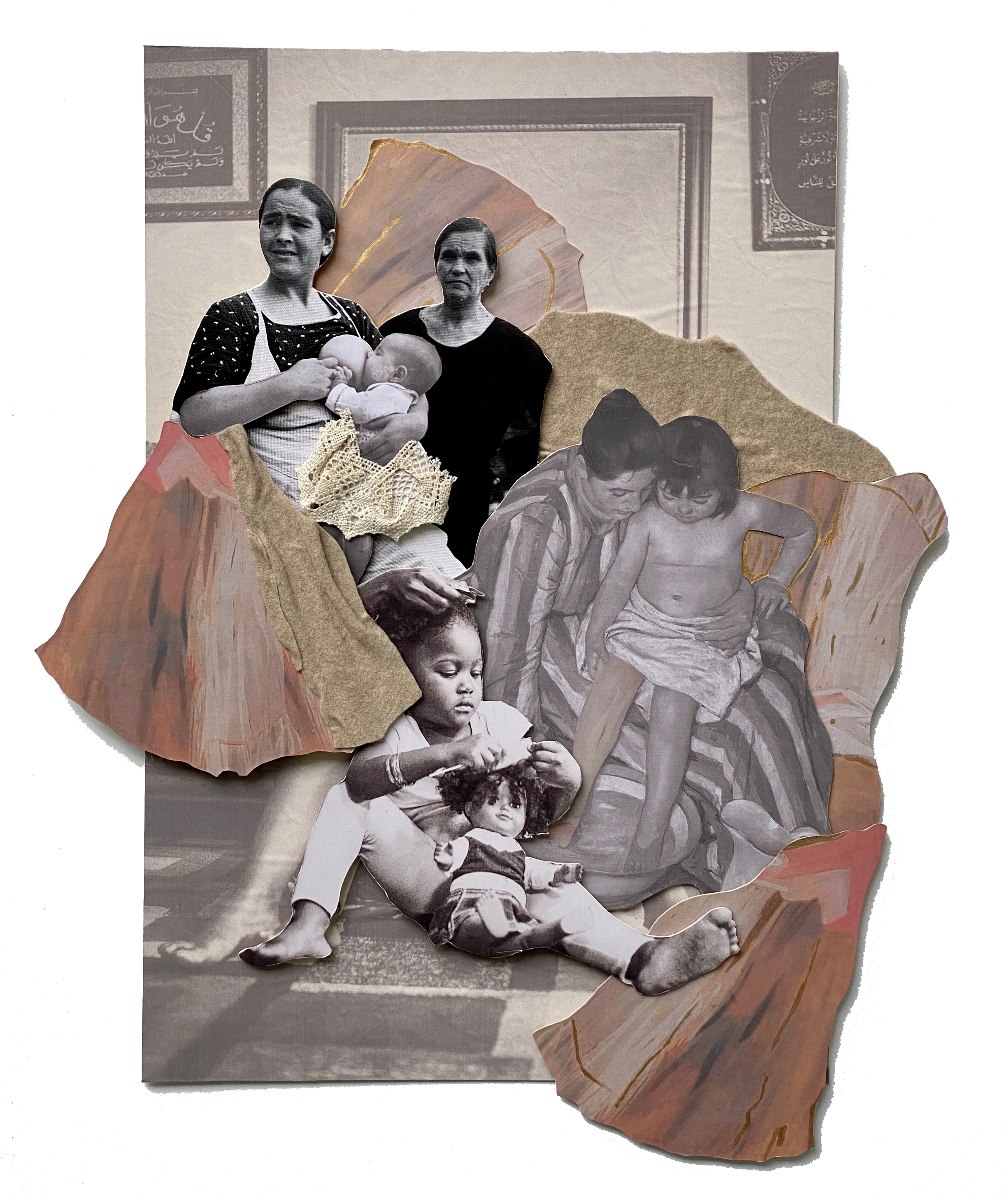
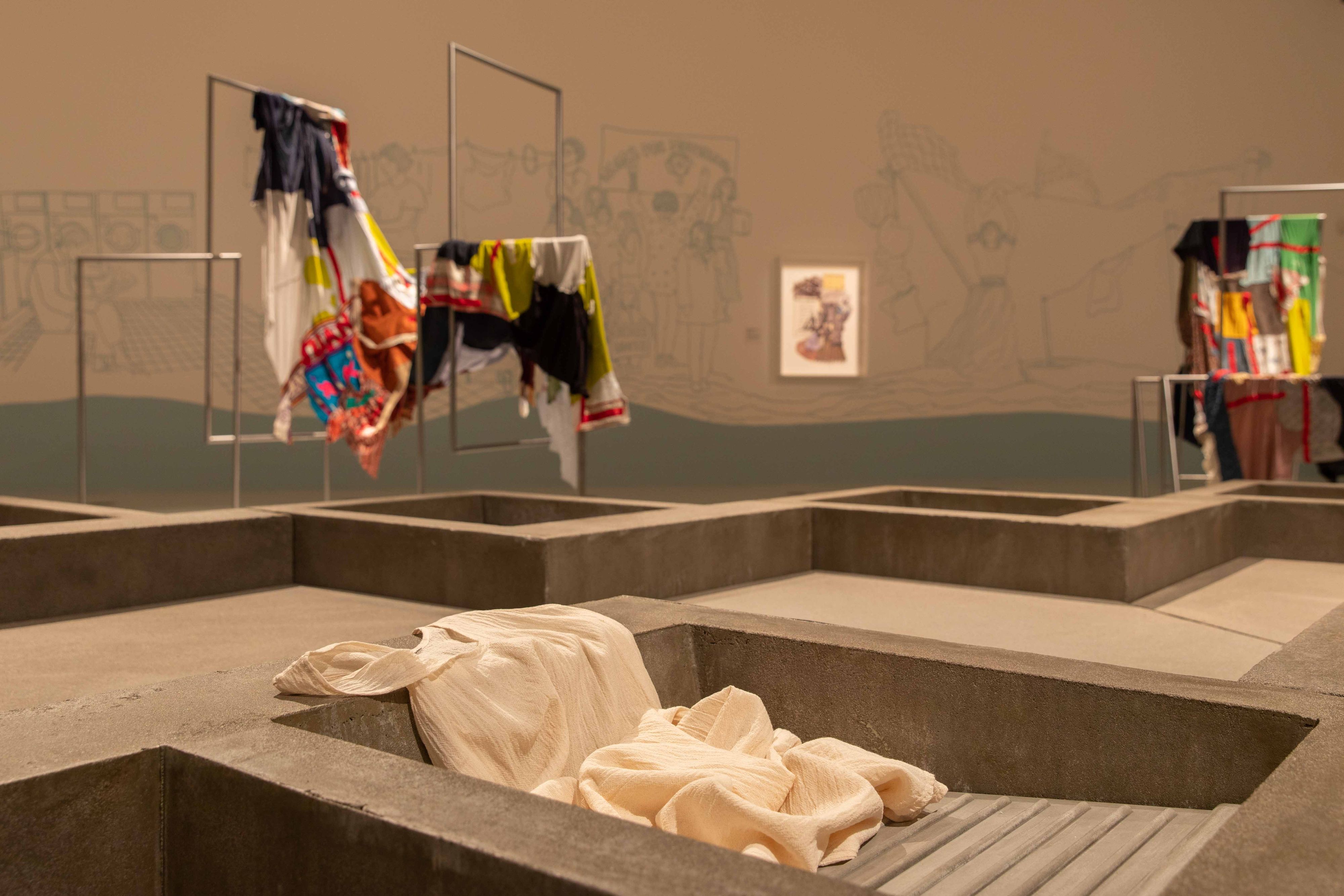
At the center of our installation we placed a reproduction of a historic public wash house in Mexico. We decided to run workshops in different parts of the world, to which people would bring a garment — it could be their own, or something found in the trash, or we would provide one. The idea was that they would pick up a garment and start to talk about who cares for their clothes — or maybe the garment itself, where it came from, who made it, how it got there. As these conversations flowed, we would cut the garments up and put them back together as large quilts, which we then displayed on metal structures a bit like clothes drying on racks. The quilts brought together all these conversations so beautifully but also quite literally. On the walls, we added murals and collages depicting the labor of care that is embedded in both making and washing clothes. The phrase “la ropa sucia se lava en casa” describes an act that is done in secret at home, rather than in the public realm, alluding to the invisibility of the labor that makes and cares for clothing.

Collage series #4 from La ropa sucia se lava en casa. Courtesy Tatiana Bilbao ESTUDIO.

It was really during COVID that I started thinking about the atomization of society into nuclear-family units. Can we talk about the relationship between domestic architecture and the shape of the family?

Totally. I think it’s directly linked, and architecture has instrumentalized that diabolical system for sure, 100 percent!

Why do you call it diabolical?

Because it is! In Mexico, nobody used to live in nuclear families; we lived in villages, as communities that were more connected. We took care of each other. We really understood that to care for a living being, it takes a village. There are certain architects who think that by designing standardized mass housing they’re doing a marvelous job providing places to live. But no, I think it creates places that really ban people from life. I know there were some very Machiavellian systems in both the United States and the United Kingdom that produced family housing that enabled conservative forces to keep women in the home.The diabolical part is that society at large is moving to reproduce this system without even realizing it. For example, the constitutional right to housing in Mexico, which I keep mentioning, used to say that every family has the right to enjoy a dignified place to live. I’m very happy to say that it was changed from “every family” to “every person” on December 31, 2024. In Mexico City, a specific definition of the family was removed some years ago — your family can be you and your dog, you and your three cousins, you and your mother and grandmother, you and your husband and children. But it doesn’t work like that in much of the rest of the country, which is still very conservative. So certain people can find themselves enabling or enforcing conditions without really thinking about it, because of where they’re coming from. Or because, rather than responding to human needs, they’re responding to political and economic needs.

La ropa sucia se lava en casa (Dirty clothes are washed at home), installation view, National Gallery of Victoria, Melbourne, Australia, 2022. At its center is a communal washbasin inspired by an 18th-century Lavadero in Huichapan, Mexico, encircled by collaborative textiles created in public workshops in Mexico City, Berlin, and Melbourne. Bilbao reframes domestic labor as a site of care, proposing that the act of washing clothes should be rethought as a shared social ritual. Photography by Kate Shanasy for NGV, courtesy Tatiana Bilbao ESTUDIO.

Speaking of impositions, I’m also thinking about colonialism — after all, I’m speaking to you as a Mexican woman who is currently in Spain. To what extent has the Mexican idea of home been influenced by Spanish and American models?

Well, there is a hyper-colonial influence — we are very much colored by Spanish and U.S. influences. I say “U.S.” because referring to the United States as “America” is also a form of colonialism — Mexico is America too. In Mexico, the standardized house is a reflection of colonialism. Our constitution recognizes 67 different types of culture — we’re really an array of totally different cultures that are currently denominated as Mexico, which itself is a colonial idea, because Mexico never existed before it was created by Spain. Each of these groups had cultures of their own, but none lived the same way. Their social, political, and physical ideas of existing on this planet were not similar; their architectural expressions were very different. Right now, housing is produced in exactly the same way across the whole country. It follows the constitutional law, which describes what a house must be: a place with a kitchen, a bathroom, and two rooms. That structure is embedded in the law, which means that you don’t have the flexibility or the possibility to express your culture. The Mayans, who live in social compounds, don’t have individual kitchens — the kitchen is social, as is the bathroom. You are already eliminating their culture and their way of life by imposing those norms. Before housing became a right, the constitution said that Mexico recognized itself as pluricultural and that every culture had the right to express itself. But that idea is already dead in the next line, because you cannot build a house — nor ask for any subsidies or property rights — unless that house fulfills the law.

This is such an important point. It’s not even about enshrining the past, reifying indigeneity, or advocating for the non-normative family, but rather about allowing for diverse and plural ways of living?

Yes. It’s about providing the possibility for anyone to exist, without imposing anything. In Iztapalapa, in Mexico City, we’re bringing the domestic realm to the exterior, to the public realm, by taking part in a government project called UTOPIÁS. Its name clearly invokes the possibility of utopia, but the acronym stresses the social aspect of the project [UTOPIÁS stands for unidades de transformación y organización para la inclusión y la armonía social, which translates as “units of transformation and organization for inclusion and social harmony”]. The project is about making space for domestic labor in the public realm — space to care for people, to care for people that care for people. There are open-access services like kitchens and laundries, workshops, sports and culture programs, elder and childcare, even health services.

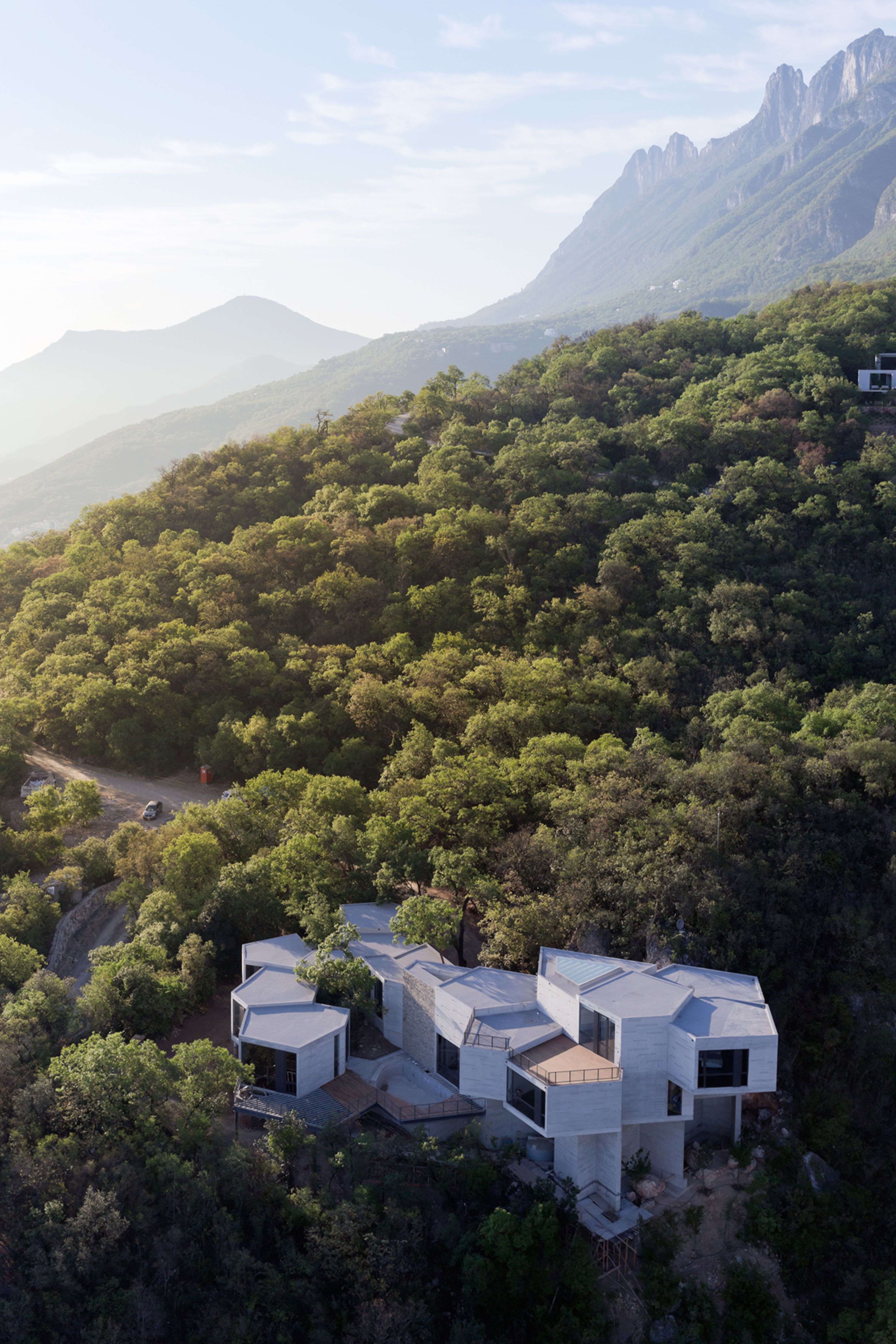
Casa Ventura (2014), on the outskirts of Monterrey, follows the mountain’s slope through a sequence of interlinked pentagons. Designed for a growing family, the house replaces traditional hierarchies with a fluid plan shaped by the terrain, where no room sits more than a few steps from the next. Photography by Iwan Baan, courtesy Tatiana Bilbao ESTUDIO.

As we’ve been talking about domesticity, I thought I’d wrap up by asking about the holiday home that you’re in now — is it yours or rented? What do you do to make it feel like home?

We rent this house — it’s the fifth summer we’ve come here. I don’t do that much to make it my own, but there’s one thing that’s actually mine — and it stays here — which is a blender! I brought it here to make my breakfast. We use it a lot in Mexico, to make all the salsas, the juices in the morning, things for kids... I don’t feel any ownership of the house, but I’m very comfortable here. We considered staying in another beautiful spot nearby, but I felt funny about it, like we’d have to come here as well.

I form attachments to places very quickly too. Ownership is not the right word; it’s more of a spatial attachment. It’s amazing how quickly that happens.

Yeah, totally. But then I often think that home is my family...

So, wherever they are is home?

Exactly. But I’ve also lived in the same apartment in Mexico City for almost 20 years — it’s been a very steady base for someone like me who travels so much. I don’t know if I have any rituals, but when I arrive somewhere, I really like to install myself. The moment I open the door, I hang up all my things; it doesn’t matter if I’m only there for one day. I take my toiletries to the bathroom, I put my clothes in the closet. I like to feel that I’m really there.

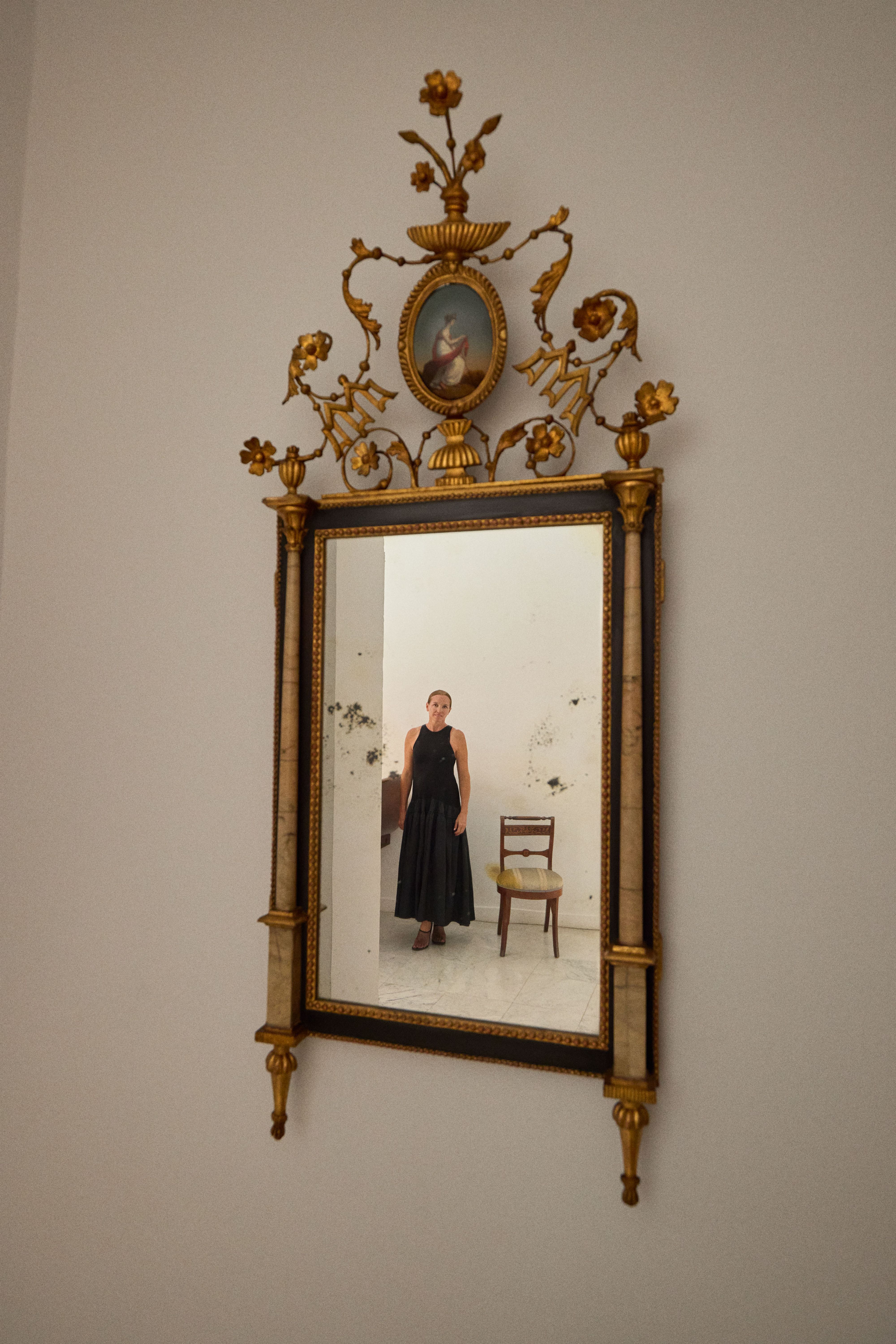
Tatiana Bilbao, photographed by Daniel Riera for PIN–UP 39 on July 30, 2025, in front of a so-called “Bilbao Mirror” at the National Museum of Decorative Arts in Madrid.