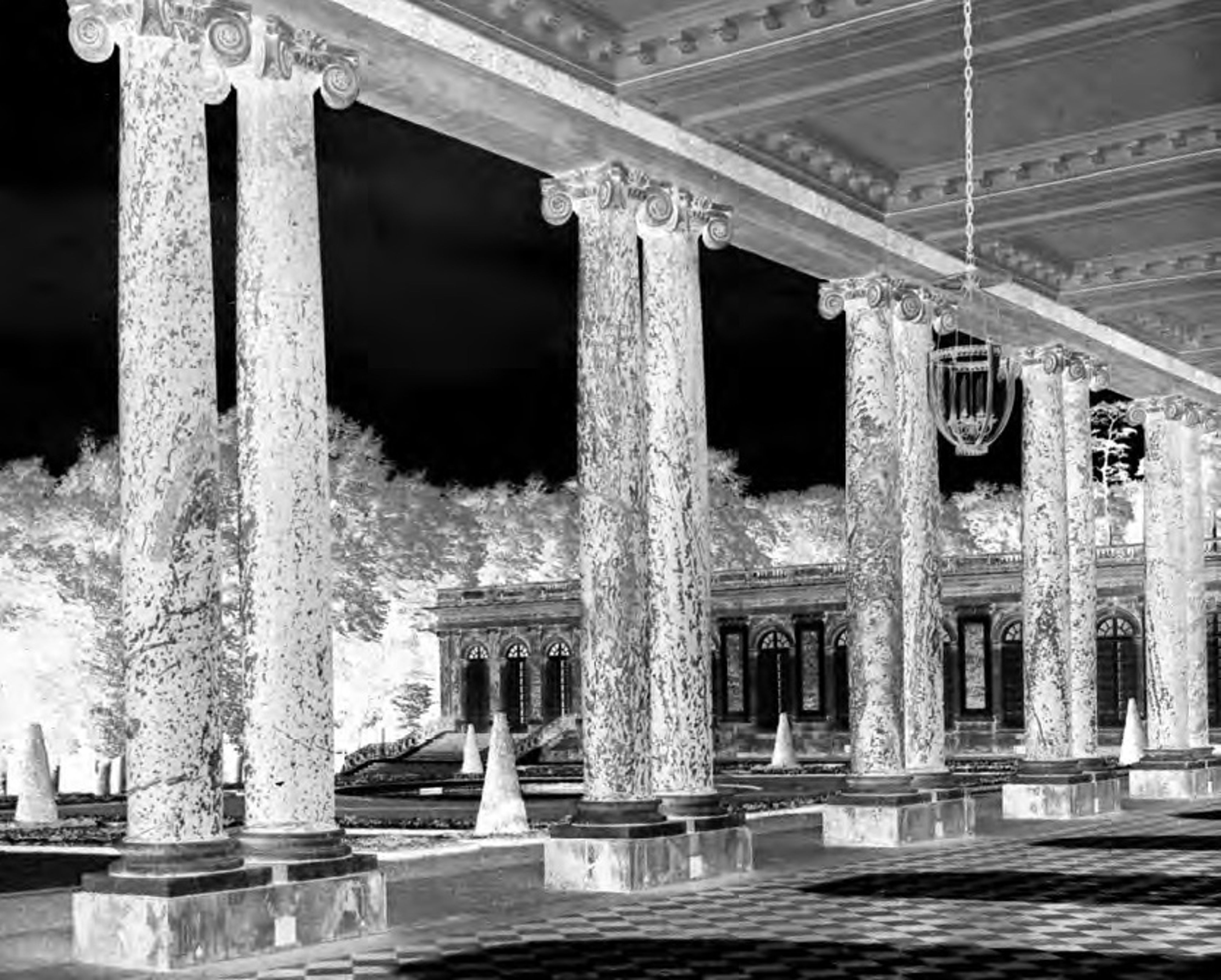
Photography by Luke Libera Moore for PIN–UP.
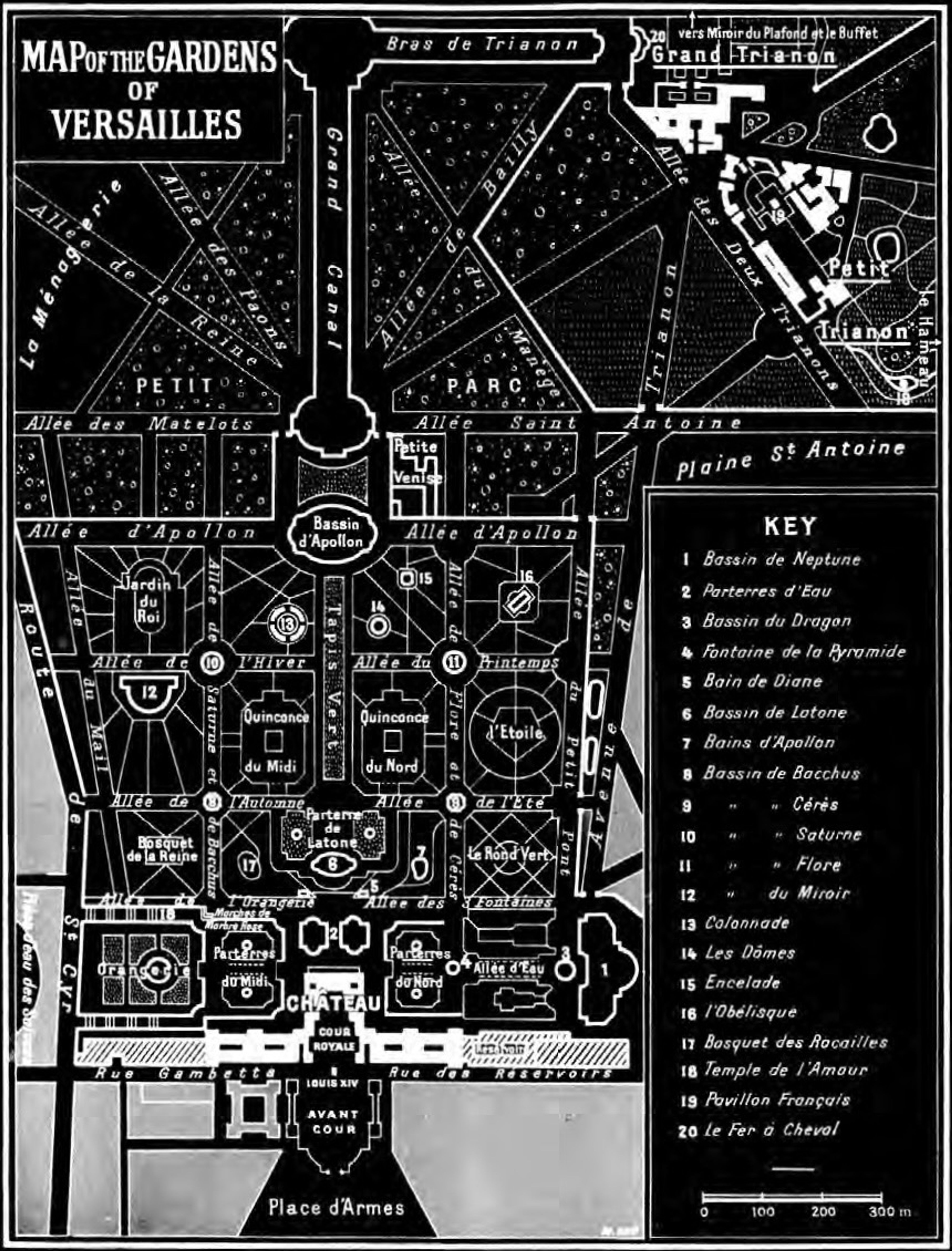
Once the peak of decorative opulence, Versailles stood empty and tattered in August 1792 after the royal family had vacated the premises. Three years before, the most splendid palace in Europe had been the site of the March on Versailles, widely considered the beginning of the French Revolution. Enraged by the high cost and scarcity of bread, the “fishwives” of Paris, joined by various revolutionaries, besieged the château on October 5, 1789. “Let them eat cake,” Marie Antoinette is said to have suggested in response. It didn’t end well for her and her husband, Louis XVI, their heads dropping into the guillotine’s basket in 1793.
Ever since its owners’ brutal demise, Versailles has been enshrined in history as the architectural symbol for decorative decadence, political hubris, and the ill-fated ends to which they can lead. The palace took on pop-culture significance in the years of Bush-era excess, Sofia Coppola’s 2006 Marie Antoinette (dubbed “a royal flop,” but still beloved by many) hitting theaters not long after Jackie Siegel started construction of her Versailles-inspired dream house, whose post-crash unraveling was captured in the 2012 documentary The Queen of Versailles. But an association with the grandeur of the palace seems long to have been more curse than blessing — think of the 1919 Treaty of Versailles, whose punitive measures, many believe, paved the way for World War II.
The Versailles that Louis XVI and Marie Antoinette occupied for most of their reign (1774– 92) was no frigid royal residence but a living, breathing organism, part of a grand campaign to consolidate and reinforce the French monarchy’s power. When Louis XIV ascended to the throne in 1654, there was no blueprint for a hereditary leader creating such a complex and gigantic political apparatus in built form. As much metaphor as tool, the palace, especially its celebrated Hall of Mirrors, reflected back both the unsavory aspects of absolute monarchy and its splendor. Prohibitively expensive to manufacture and transport, the mirrors served as a pointed exhibition of the French crown’s wealth and power, as well as their craftsmen’s technical knowhow in the production of pier glasses. Like the larger palace, the hall was meant to convey the message that the French monarchy was untouchable — though of course it wasn’t. While Robespierre and the Jacobins plotted, the royal couple lived their lavish lifestyle on full display, an 18th-century Kimye hurtling towards implosion.
Photography by Luke Libera Moore for PIN–UP.
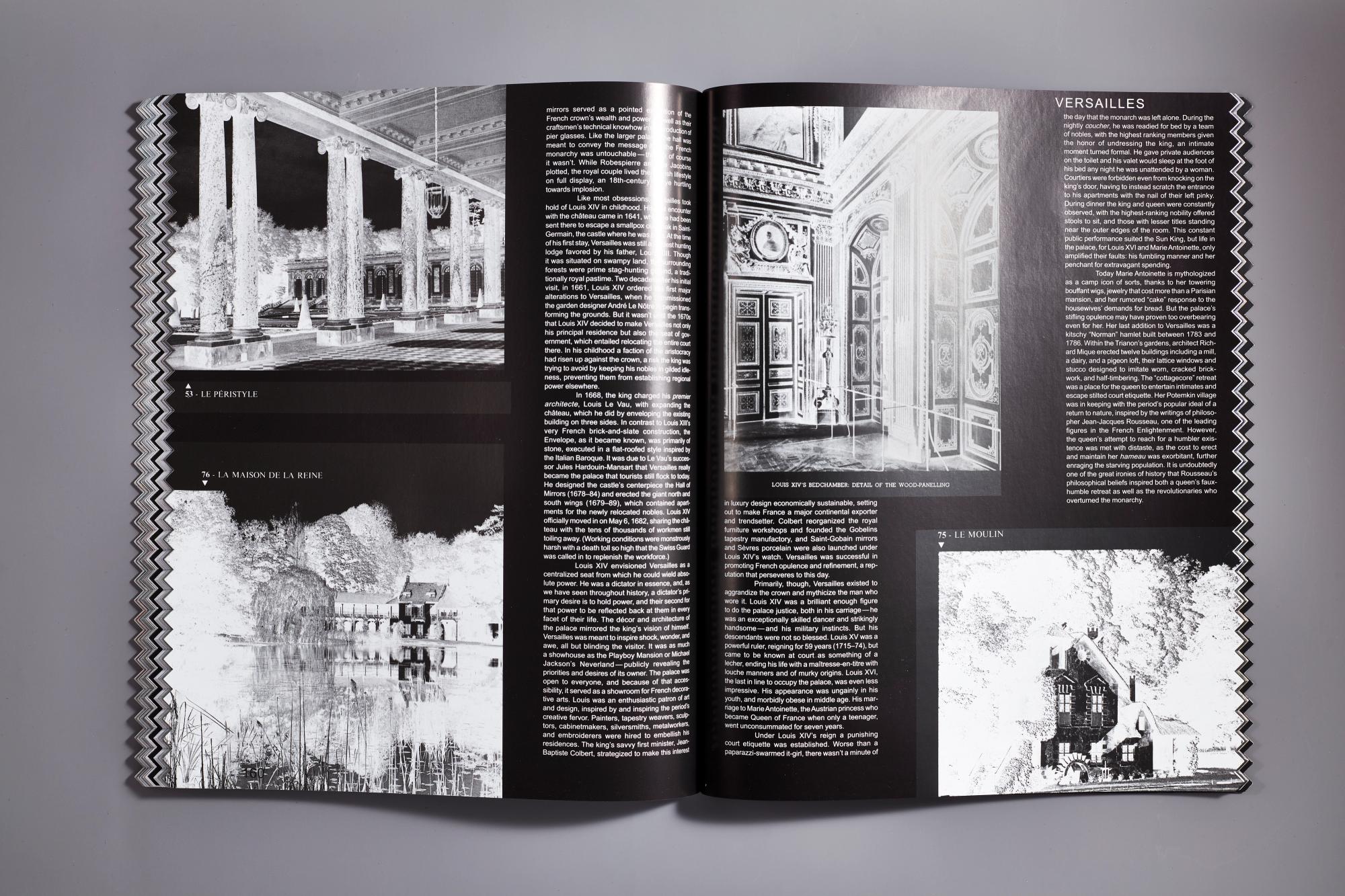
Photography by Luke Libera Moore for PIN–UP.
Like most obsessions, Versailles took hold of Louis XIV in childhood. His first encounter with the château came in 1641, when he had been sent there to escape a smallpox outbreak in Saint- Germain, the castle where he was born. At the time of his first stay, Versailles was still a modest hunting lodge favored by his father, Louis XIII. Though it was situated on swampy land, the surrounding forests were prime stag-hunting ground, a traditionally royal pastime. Two decades after his initial visit, in 1661, Louis XIV ordered the first major alterations to Versailles, when he commissioned the garden designer André Le Nôtre to begin transforming the grounds. But it wasn’t until the 1670s that Louis XIV decided to make Versailles not only his principal residence but also the seat of government, which entailed relocating the entire court there. In his childhood a faction of the aristocracy had risen up against the crown, a risk the king was trying to avoid by keeping his nobles in gilded idleness, preventing them from establishing regional power elsewhere.
In 1668, the king charged his premier architecte, Louis Le Vau, with expanding the château, which he did by enveloping the existing building on three sides. In contrast to Louis XIII’s very French brick-and-slate construction, the Envelope, as it became known, was primarily of stone, executed in a flat-roofed style inspired by the Italian Baroque. It was due to Le Vau’s successor Jules Hardouin-Mansart that Versailles really became the palace that tourists still flock to today. He designed the castle’s centerpiece the Hall of Mirrors (1678–84) and erected the giant north and south wings (1679–89), which contained apartments for the newly relocated nobles. Louis XIV officially moved in on May 6, 1682, sharing the château with the tens of thousands of workmen still toiling away. (Working conditions were monstrously harsh with a death toll so high that the Swiss Guard was called in to replenish the workforce.)
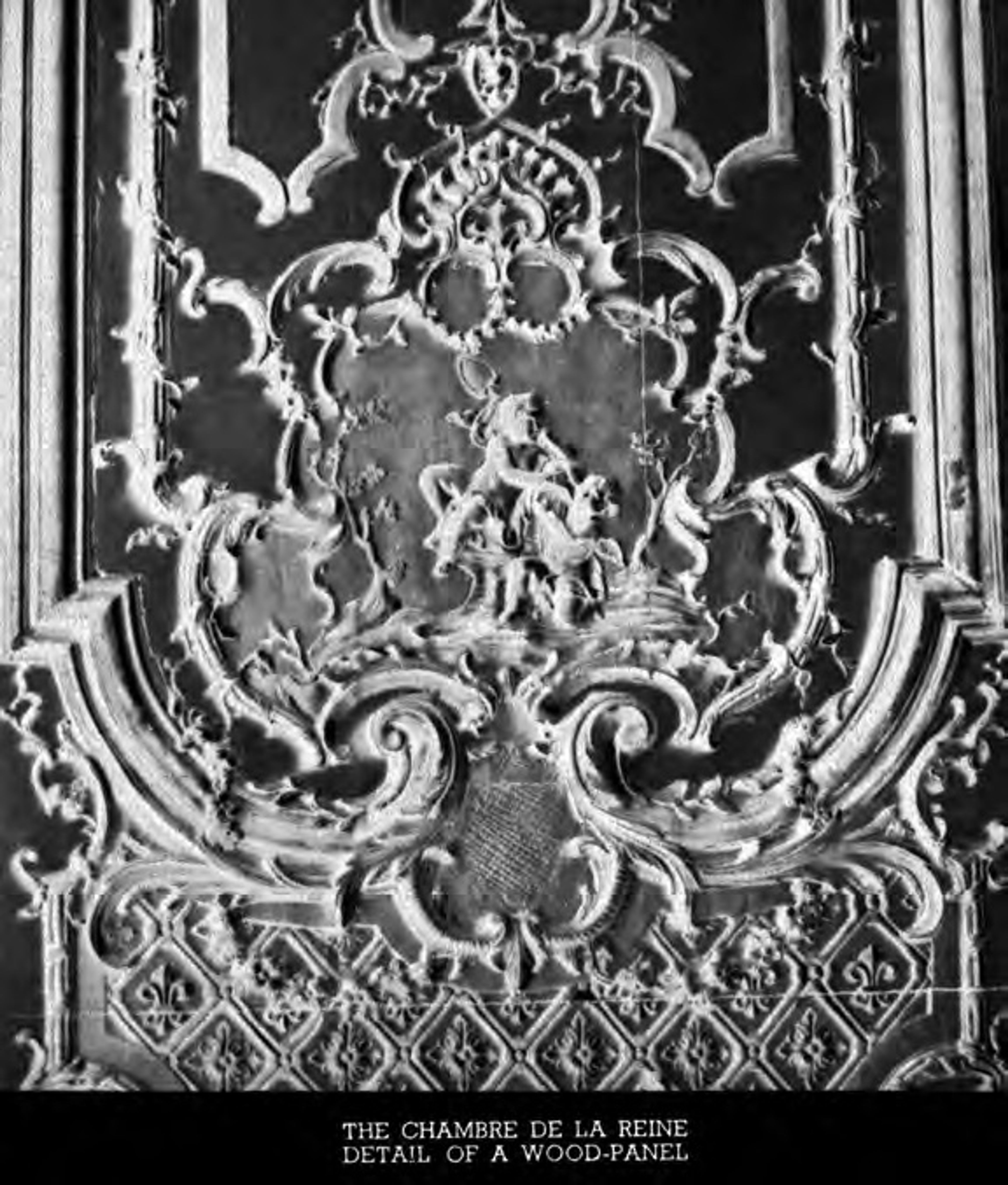
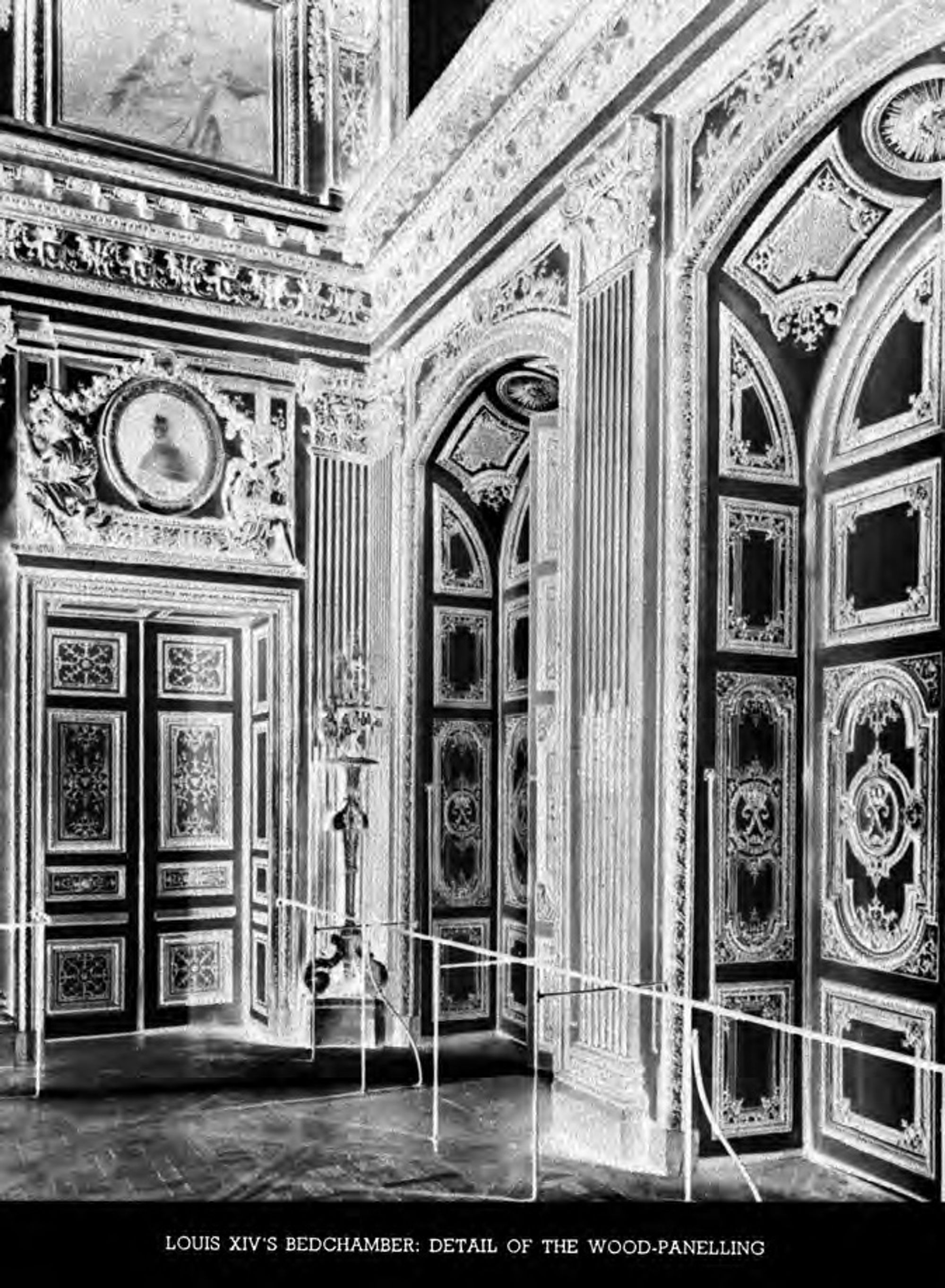
Louis XIV envisioned Versailles as a centralized seat from which he could wield absolute power. He was a dictator in essence, and, as we have seen throughout history, a dictator’s primary desire is to hold power, and their second for that power to be reflected back at them in every facet of their life. The décor and architecture of the palace mirrored the king’s vision of himself. Versailles was meant to inspire shock, wonder, and awe, all but blinding the visitor. It was as much a showhouse as the Playboy Mansion or Michael Jackson’s Neverland — publicly revealing the priorities and desires of its owner. The palace was open to everyone, and because of that accessibility, it served as a showroom for French decorative arts. Louis was an enthusiastic patron of art and design, inspired by and inspiring the period’s creative fervor. Painters, tapestry weavers, sculptors, cabinetmakers, silversmiths, metalworkers, and embroiderers were hired to embellish his residences. The king’s savvy first minister, Jean-Baptiste Colbert, strategized to make this interest in luxury design economically sustainable, setting out to make France a major continental exporter and trendsetter. Colbert reorganized the royal furniture workshops and founded the Gobelins tapestry manufactory, and Saint-Gobain mirrors and Sèvres porcelain were also launched under Louis XIV’s watch. Versailles was successful in promoting French opulence and refinement, a reputation that perseveres to this day.
Primarily, though, Versailles existed to aggrandize the crown and mythicize the man who wore it. Louis XIV was a brilliant enough figure to do the palace justice, both in his carriage — he was an exceptionally skilled dancer and strikingly handsome — and his military instincts. But his descendants were not so blessed. Louis XV was a powerful ruler, reigning for 59 years (1715–74), but came to be known at court as something of a lecher, ending his life with a maîtresse-en-titre with louche manners and of murky origins. Louis XVI, the last in line to occupy the palace, was even less impressive. His appearance was ungainly in his youth, and morbidly obese in middle age. His marriage to Marie Antoinette, the Austrian princess who became Queen of France when only a teenager, went unconsummated for seven years.
Under Louis XIV’s reign a punishing court etiquette was established. Worse than a paparazzi-swarmed it-girl, there wasn’t a minute of the day that the monarch was left alone. During the nightly coucher, he was readied for bed by a team of nobles, with the highest ranking members given the honor of undressing the king, an intimate moment turned formal. He gave private audiences on the toilet and his valet would sleep at the foot of his bed any night he was unattended by a woman. Courtiers were forbidden even from knocking on the king’s door, having to instead scratch the entrance to his apartments with the nail of their left pinky. During dinner the king and queen were constantly observed, with the highest-ranking nobility offered stools to sit, and those with lesser titles standing near the outer edges of the room. This constant public performance suited the Sun King, but life in the palace, for Louis XVI and Marie Antoinette, only amplified their faults: his fumbling manner and her penchant for extravagant spending.
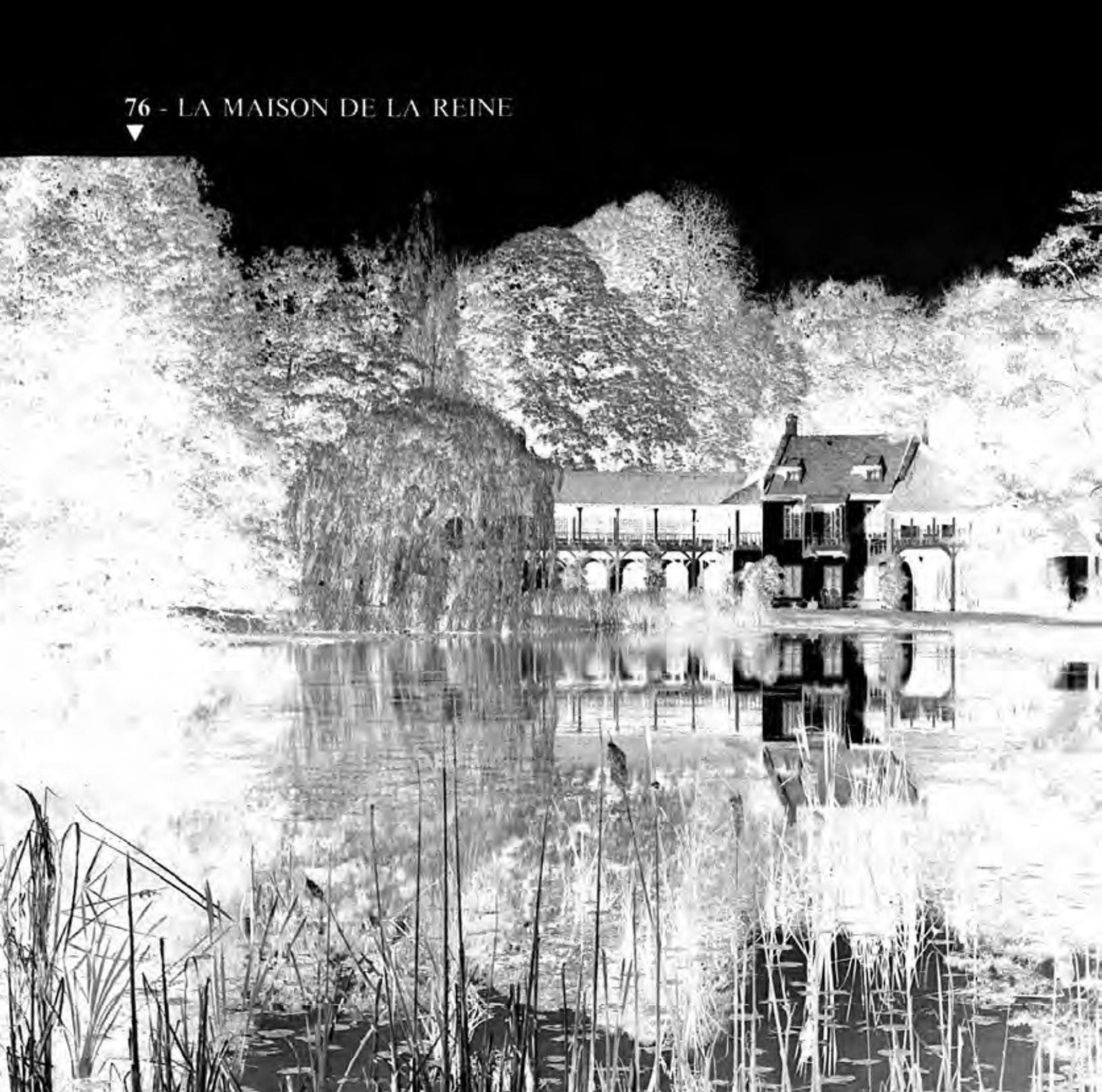
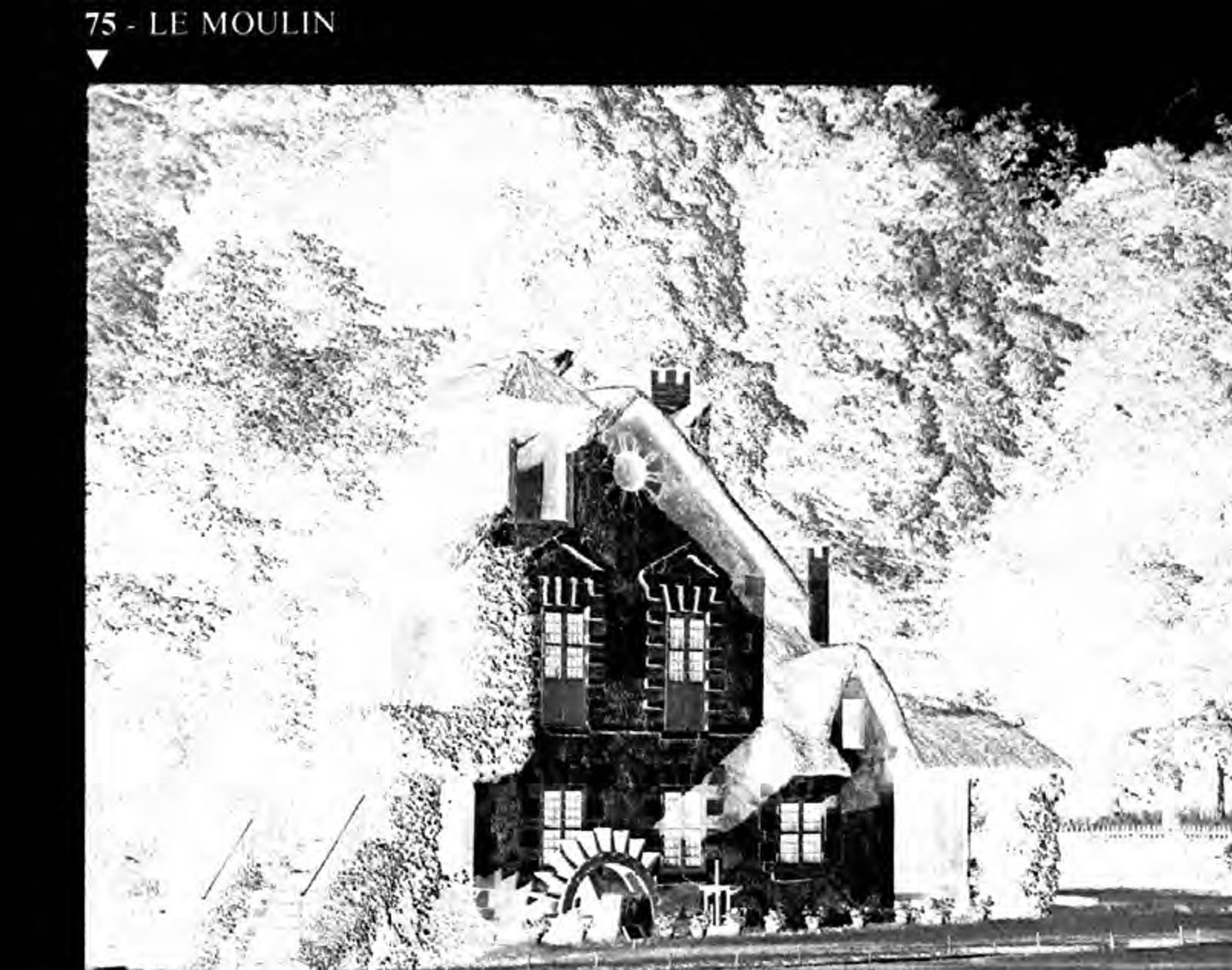
Today Marie Antoinette is mythologized as a camp icon of sorts, thanks to her towering bouffant wigs, jewelry that cost more than a Parisian mansion, and her rumored “cake” response to the housewives’ demands for bread. But the palace’s stifling opulence may have proven too overbearing even for her. Her last addition to Versailles was a kitschy “Norman” hamlet built between 1783 and 1786. Within the Trianon’s gardens, architect Richard Mique erected twelve buildings including a mill, a dairy, and a pigeon loft, their lattice windows and stucco designed to imitate worn, cracked brickwork, and half-timbering. The “cottagecore” retreat was a place for the queen to entertain intimates and escape stilted court etiquette. Her Potemkin village was in keeping with the period’s popular ideal of a return to nature, inspired by the writings of philosopher Jean-Jacques Rousseau, one of the leading figures in the French Enlightenment. However, the queen’s attempt to reach for a humbler existence was met with distaste, as the cost to erect and maintain her hameau was exorbitant, further enraging the starving population. It is undoubtedly one of the great ironies of history that Rousseau’s philosophical beliefs inspired both a queen’s fauxhumble retreat as well as the revolutionaries who overturned the monarchy.