
Archigram: The Magazine, published by D.A.P. and Designers & Books. Courtesy of D.A.P and Designers & Books.
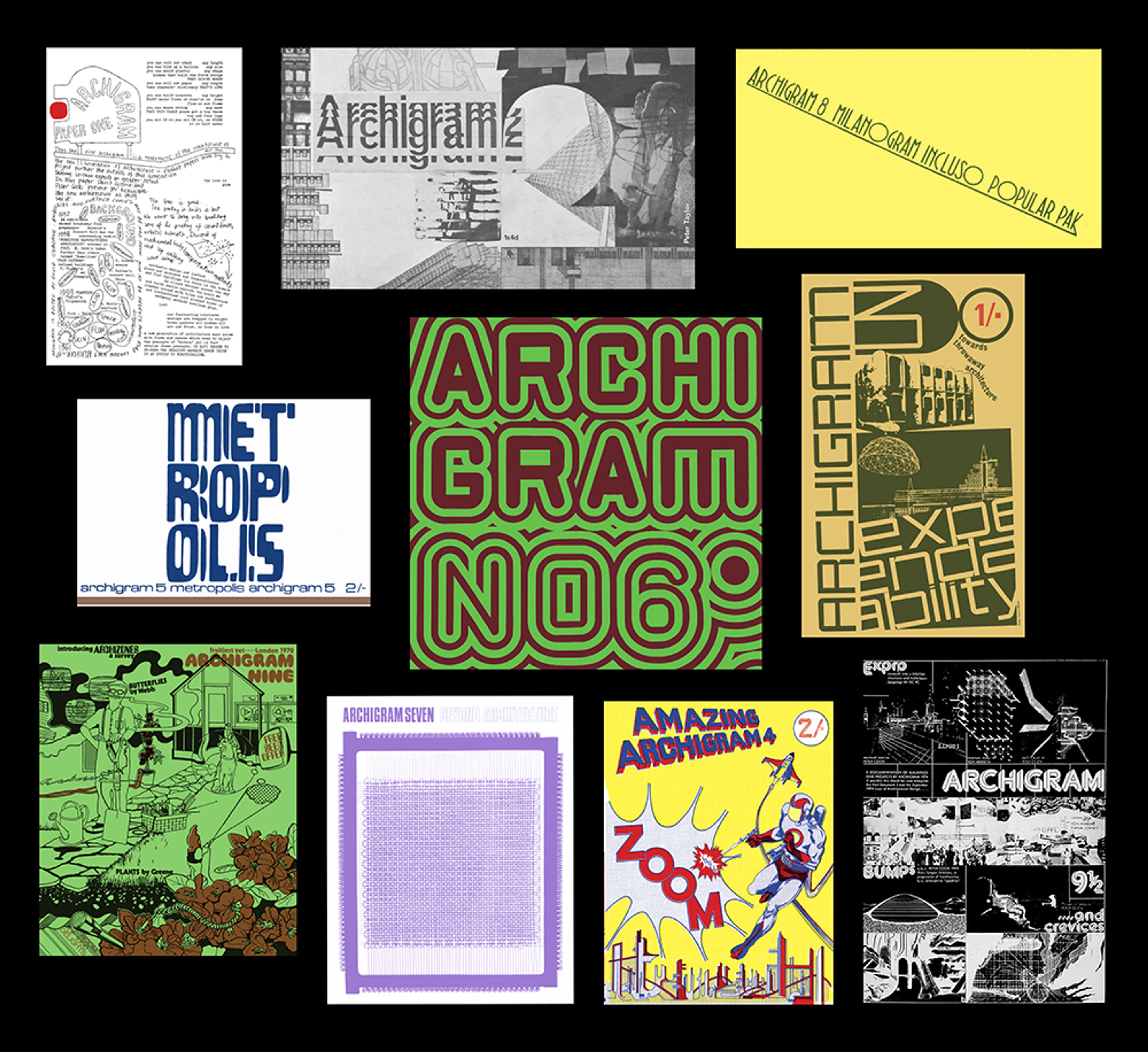
Archigram: The Magazine, published by D.A.P. and Designers & Books. Courtesy of D.A.P and Designers & Books.
Archigram is best known as the London-based avant-garde architectural group that, across the 1960s and into the 1970s, proposed a radical alternative to the postwar built environment: capsule cities, walking structures, plug-in megastructures, and inflatable dwellings. Their visionary, often deliberately unbuildable proposals rewired the imagination of a generation of architects and designers, and their influence is still keenly felt today. But Archigram was a magazine before it was a group. The nine issues published in London from 1961 to 1970, and then the half-issue appearing four years later, were all shorter or longer telegrams from the future of architecture — at least a future as envisioned by six British men. Recent architecture graduates Peter Cook, David Greene, and Mike Webb collaborated on the inaugural issue, and later invited Ron Herron, Warren Chalk, and Dennis Crompton to join them. By issue three the name had stuck. Renowned architectural historian and theorist Reyner Banham, a faithful supporter of the project throughout, brought the fourth issue with him to the States, kickstarting the magazine’s global career; by the end of the decade, issues had reached as far as Australia, Japan, and the USSR. The thematic fascinations of the six young architects and their collaborating authors shifted over time: from building components and modular flexibility to urban and metropolitan forms, then technological non-architectures, hardware, and robotic gardens. What remained constant was the project’s liberating dynamic, both for those involved and for their readers: Archigram offered a space of exploration away from the confines of commercial architectural practice, while the collages, the sci-fi comic strips, the proto-moodboards, and the Lichtenstein graphic references offered a refuge from stiff and formal architectural representation. Archigram, the magazine, was the whole point: the motive, the catalyst, and the vehicle for provocation, creativity, and escape.
Archigram: The Magazine, published by D.A.P. and Designers & Books. Courtesy of D.A.P and Designers & Books.
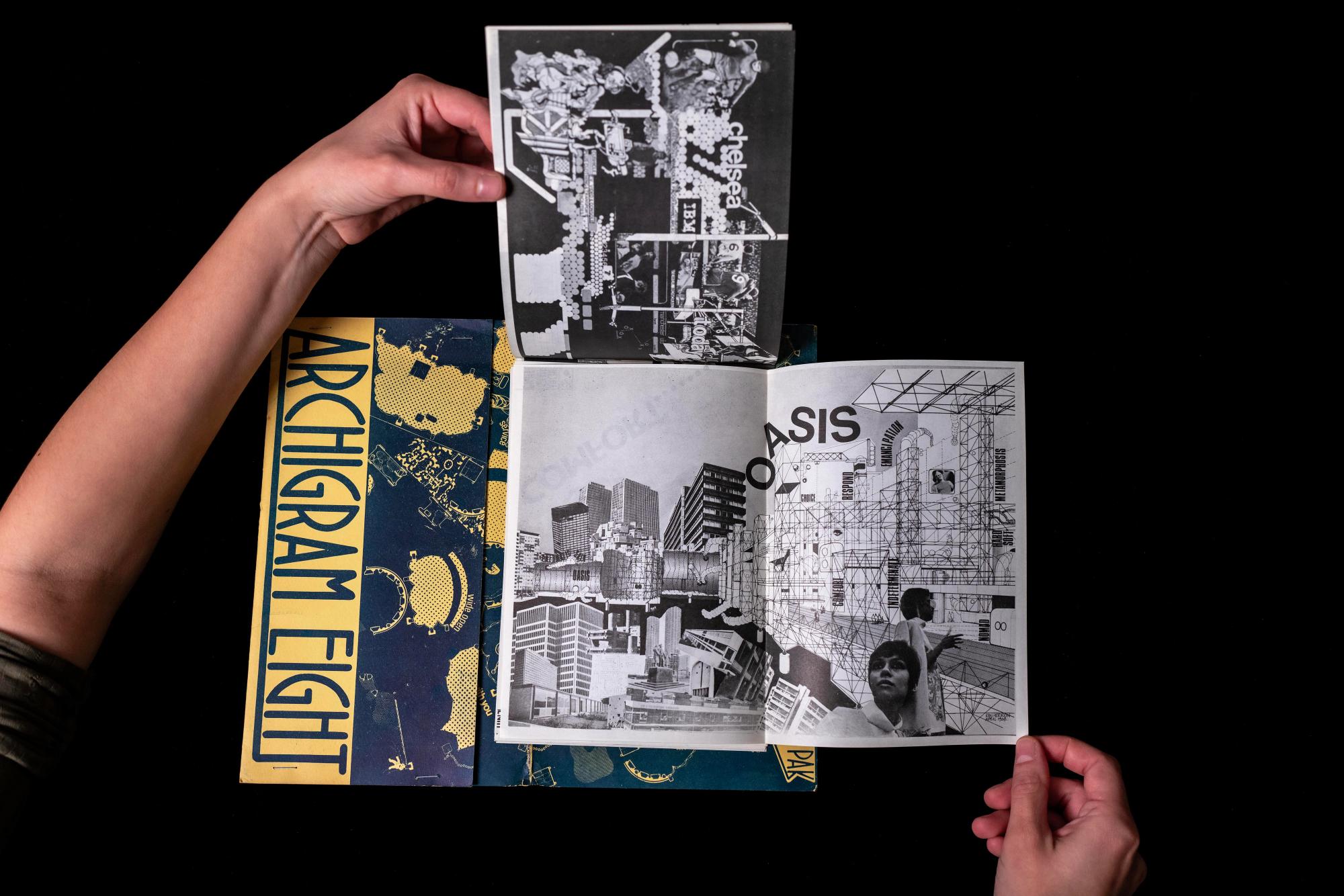
Archigram: The Magazine, published by D.A.P. and Designers & Books. Courtesy of D.A.P and Designers & Books.
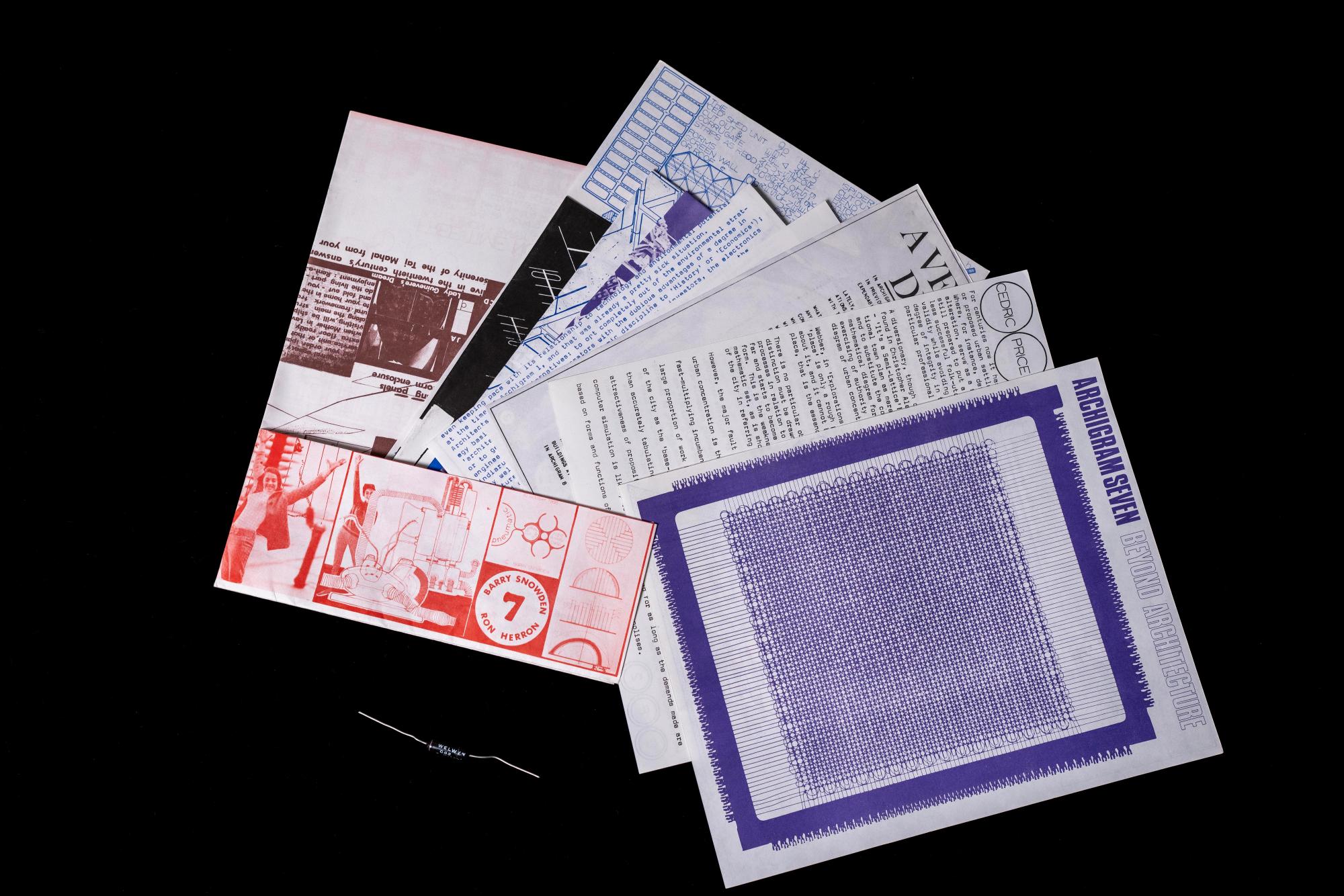
Archigram: The Magazine, published by D.A.P. and Designers & Books. Courtesy of D.A.P and Designers & Books.
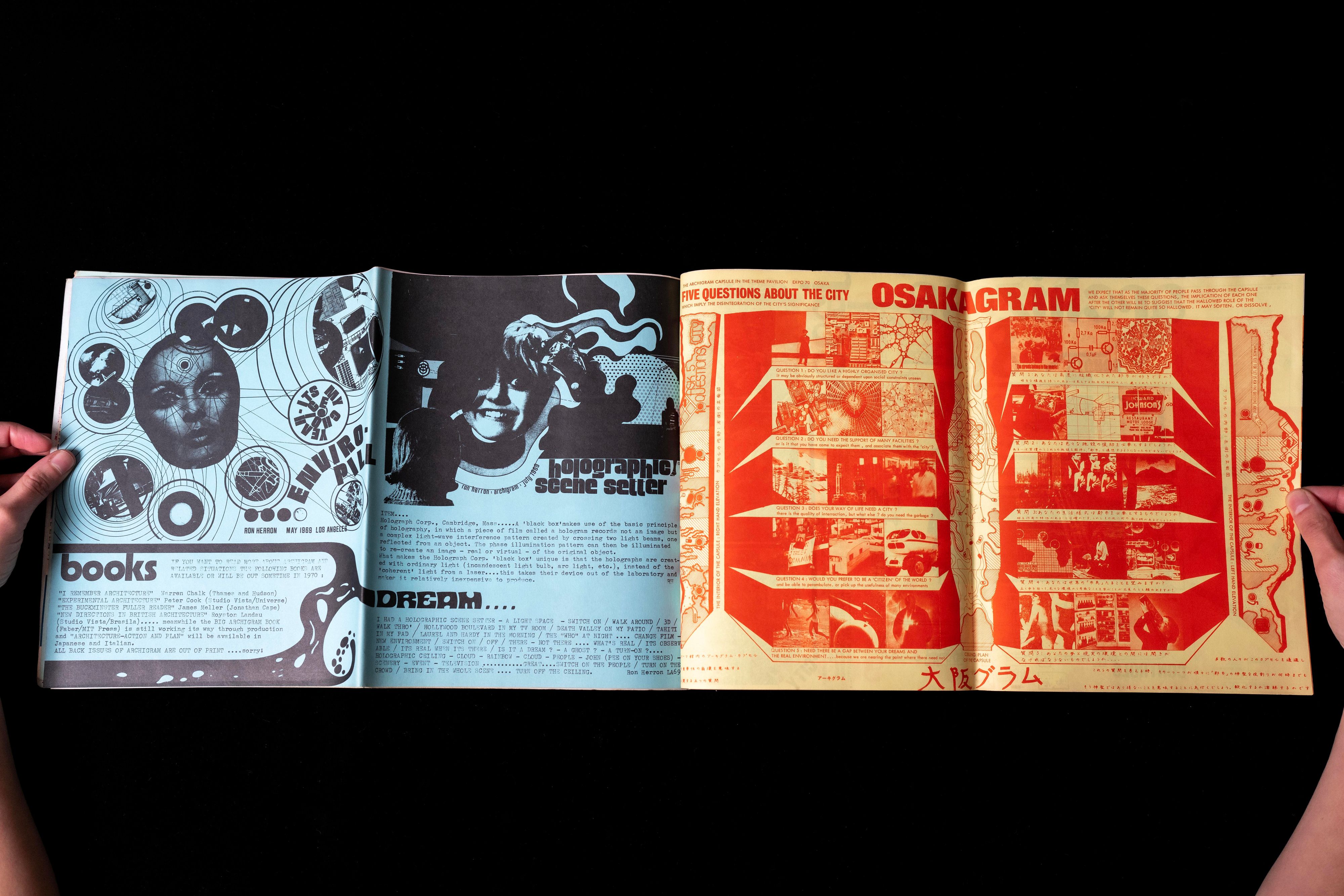
Archigram: The Magazine, published by D.A.P. and Designers & Books. Courtesy of D.A.P and Designers & Books.
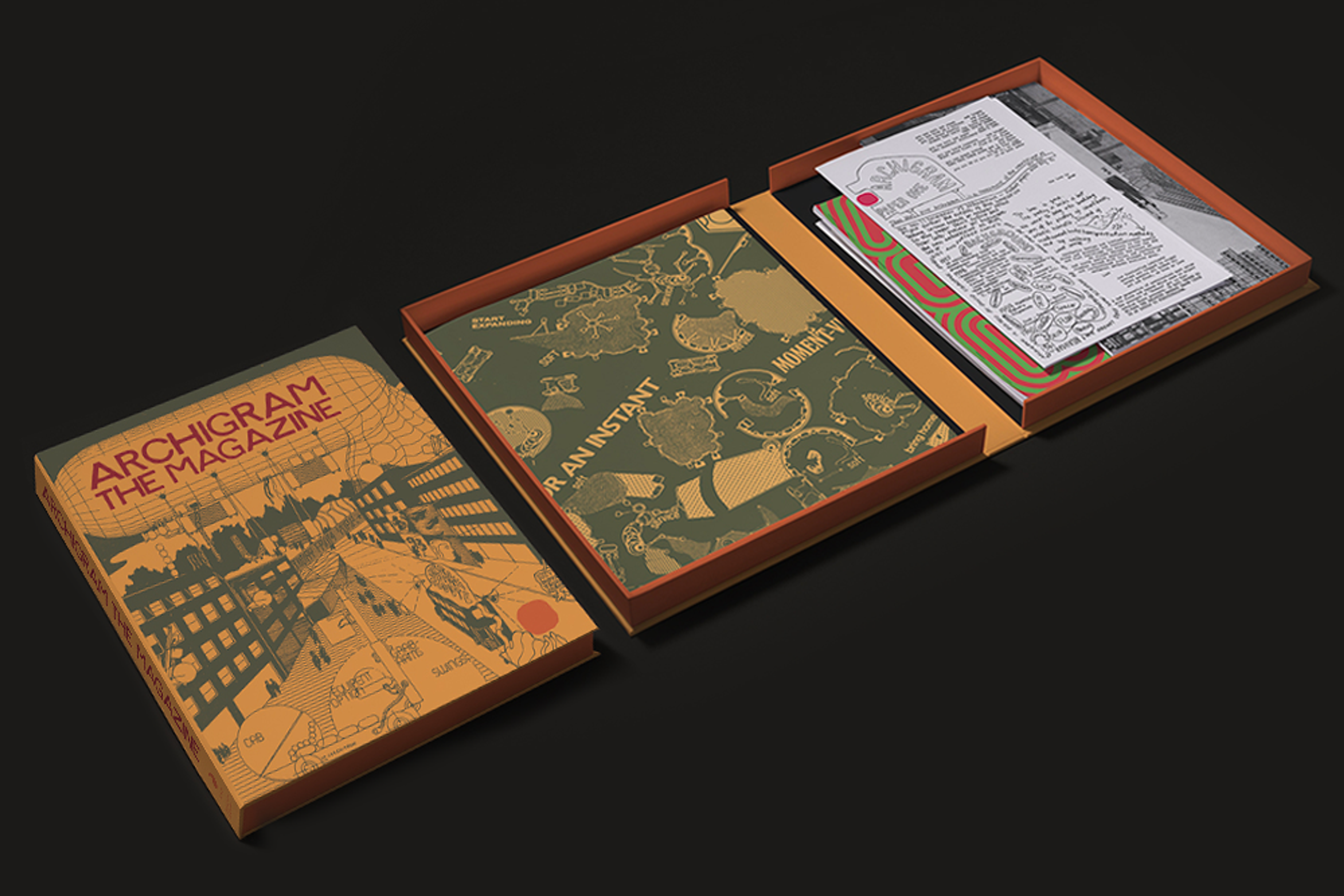
The recent republication of the ten Archigram issues by D.A.P. and Designers & Books is a welcome reminder of Archigram’s original form, preserving its cheerful vision even as it generates certain contradictions. Whether nostalgic or exploratory, there’s a true sense of excitement in unboxing the contents from the chest-like clamshell case — which is also practical for storage when the reader exits the 1960s time capsule. Reproducing the issues was no minor undertaking: sheets and spreads in several different sizes (ranging from narrow ribbons to the dimensions of a vinyl record sleeve) with curious folds, cuts, and attachments, spanning several different paper colors, had to be assembled from two separate personal collections, cross-checked against the Avery and M+ archives, scanned, and digitally restored. Printing had to strike a balance between economy in production and faithful reproduction: the facsimiles were printed in Pantone colors rather than standard CMYK, to get as close as possible to the mix of offset lithography, Roneo copies, screen prints, and rubber (and potato!) stamps of the originals. The result is as technically accomplished as it is a joy to look at.
Inevitably, though, there is a paradox in curating and expensively reproducing a lo-fi, student zine. Flipping through, readers have to remind themselves that these issues began as self-published pamphlets that cost a few shillings each and were meant to circulate cheaply among architecture students, often hand-to-hand. Though the new price tag does not exactly reflect the spirit of the originals, there is genuine intent in returning the long-out-of-print Archigram issues to circulation, which trade among collectors for many times the price of this reprint.

Archigram 9 facsimile inside Archigram: The Magazine, published by D.A.P. and Designers & Books. Courtesy of D.A.P and Designers & Books.
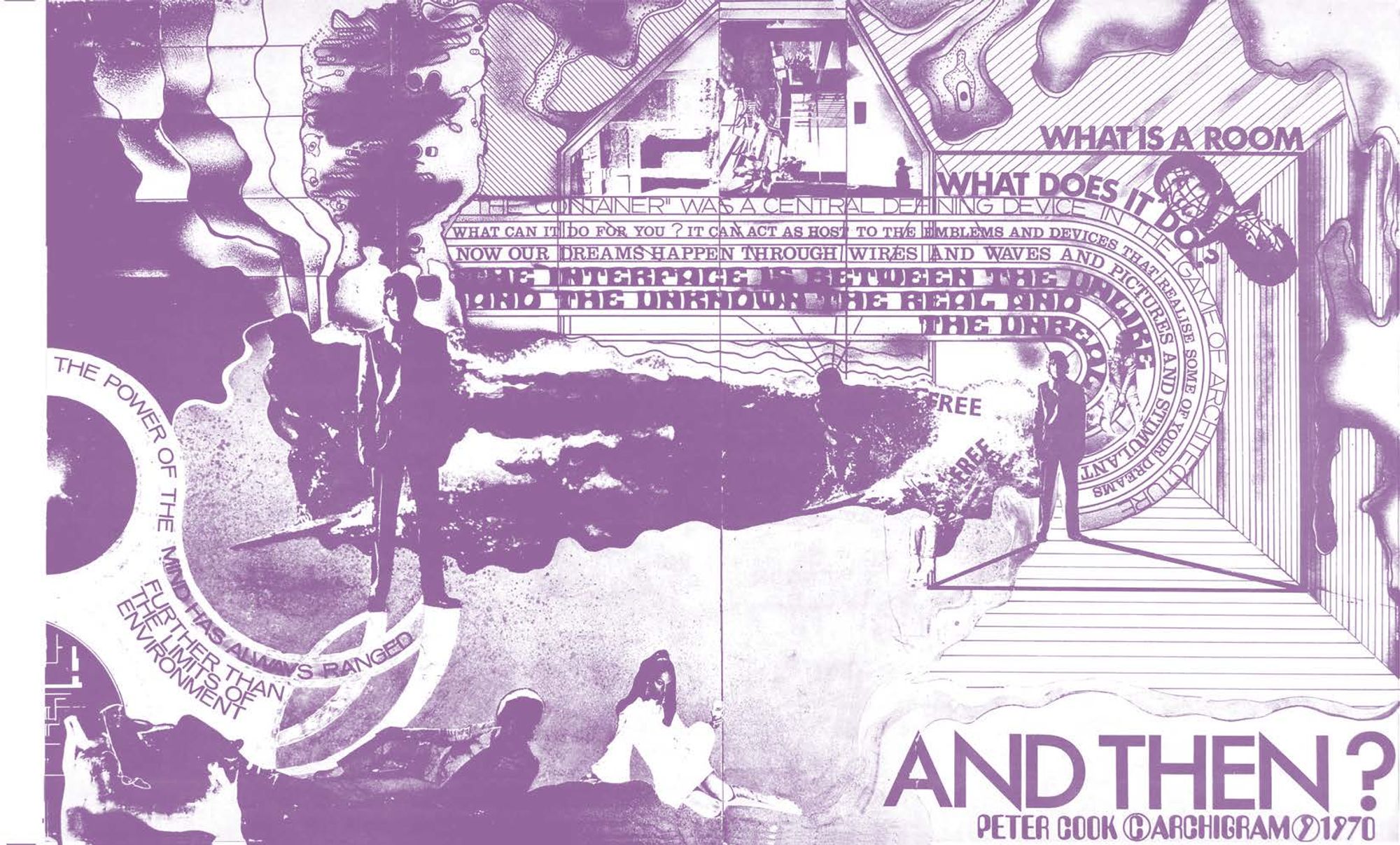
Archigram 9 facsimile inside Archigram: The Magazine, published by D.A.P. and Designers & Books. Courtesy of D.A.P and Designers & Books.
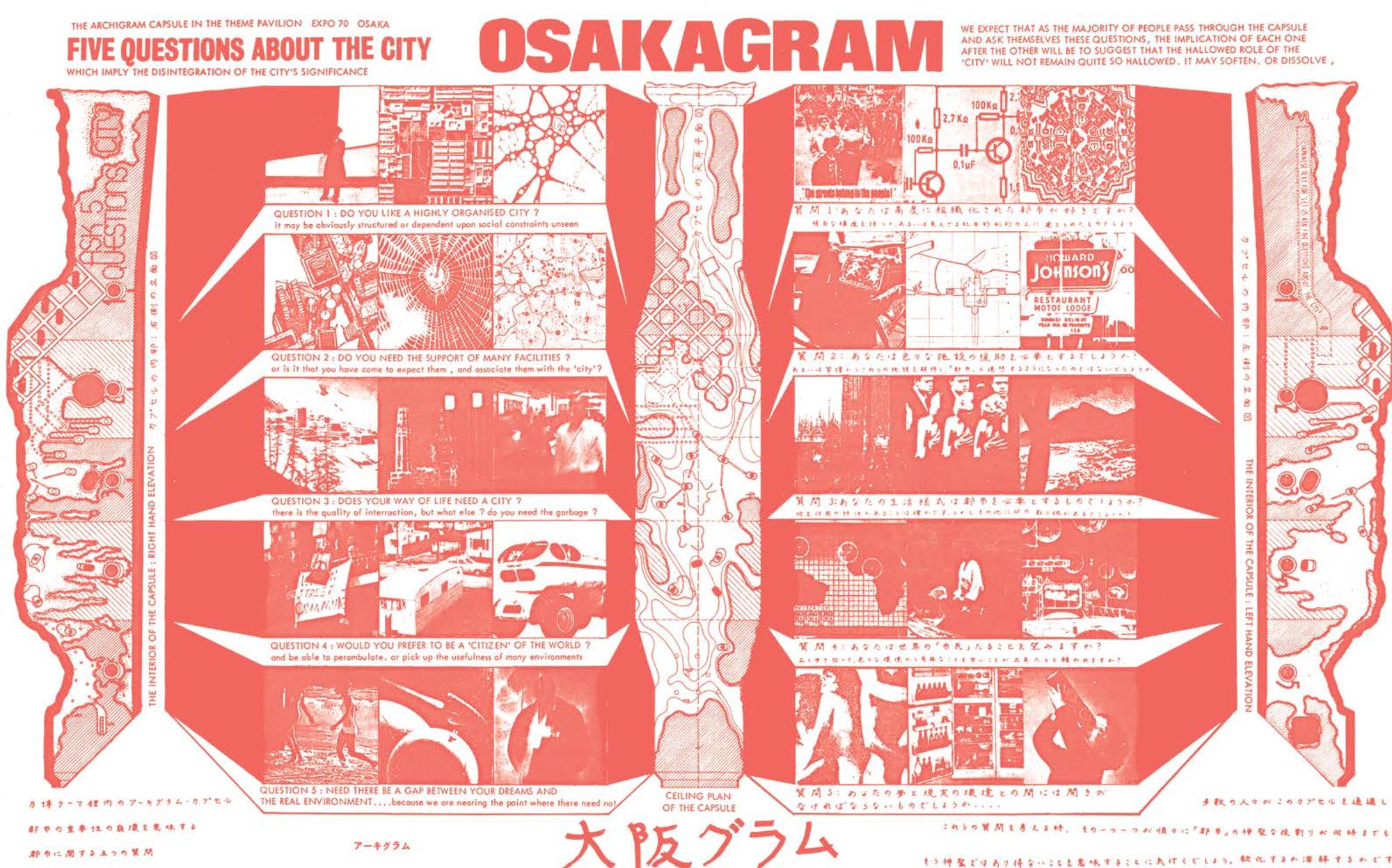
Archigram 9 facsimile inside Archigram: The Magazine, published by D.A.P. and Designers & Books. Courtesy of D.A.P and Designers & Books.
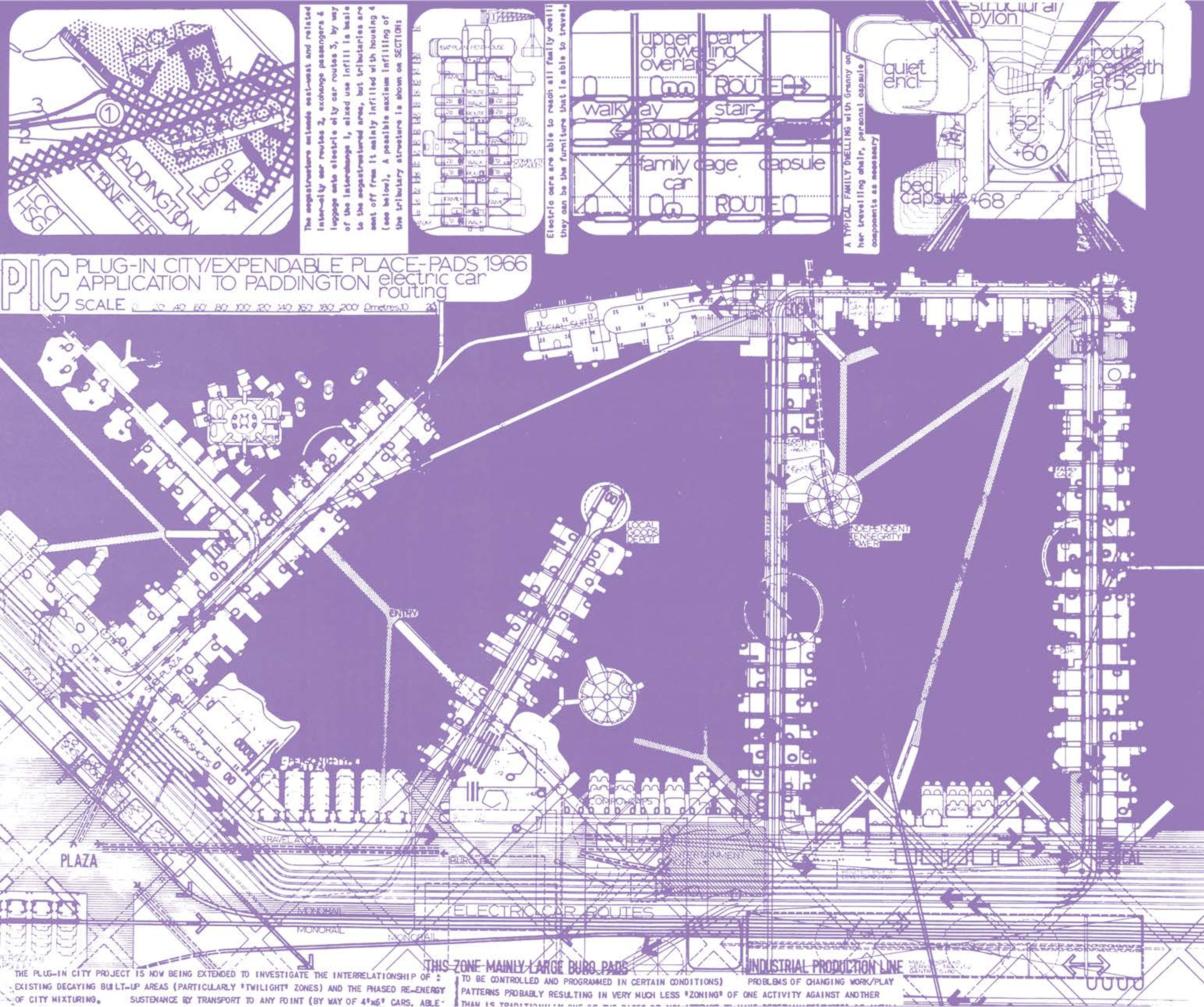
Archigram 7 facsimile inside Archigram: The Magazine, published by D.A.P. and Designers & Books. Courtesy of D.A.P and Designers & Books.
Odd as it may seem to encounter the full suite of Archigrams arranged tidily in a clamshell box, it allows for a retrospective overview that reconstructs the context of the Archigram project and foregrounds the importance of the network as both the medium and the message. Considerable criticism has been directed at Archigram about the thinness of their politics and the gendered consumer fantasies populating their collages. Reviewing “Little Magazines in Architecture and Urbanism” in 1968, architect and theorist Denise Scott Brown praised Archigram’s innovative eye and determination, but concluded they remained agnostic about the political economy of their proposals, with style effectively prevailing over substance. As the Parisian May of 68 echoed across the Channel, the charge sharpened: Archigram, some of their contemporaries thought, was building a politically toothless vision at a moment when politics demanded otherwise. But Archigram’s stated politics is only half the story. The magazine’s real energy resided in the process of the editorial project: a format-driven architectural activism against the established ideas, communication languages, and institutional structures of the architectural profession.
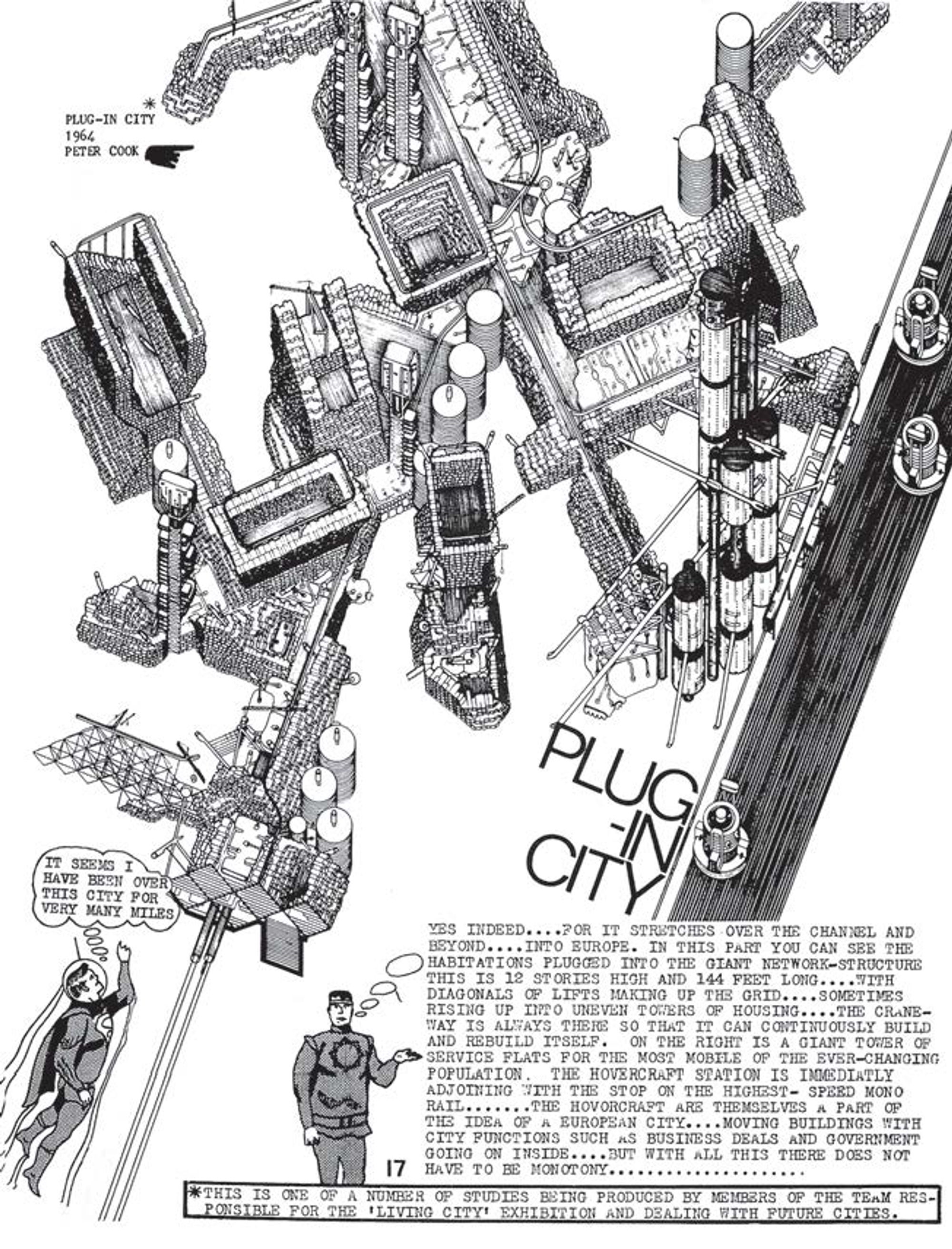
Archigram 4 facsimile inside Archigram: The Magazine, published by D.A.P. and Designers & Books. Courtesy of D.A.P and Designers & Books.
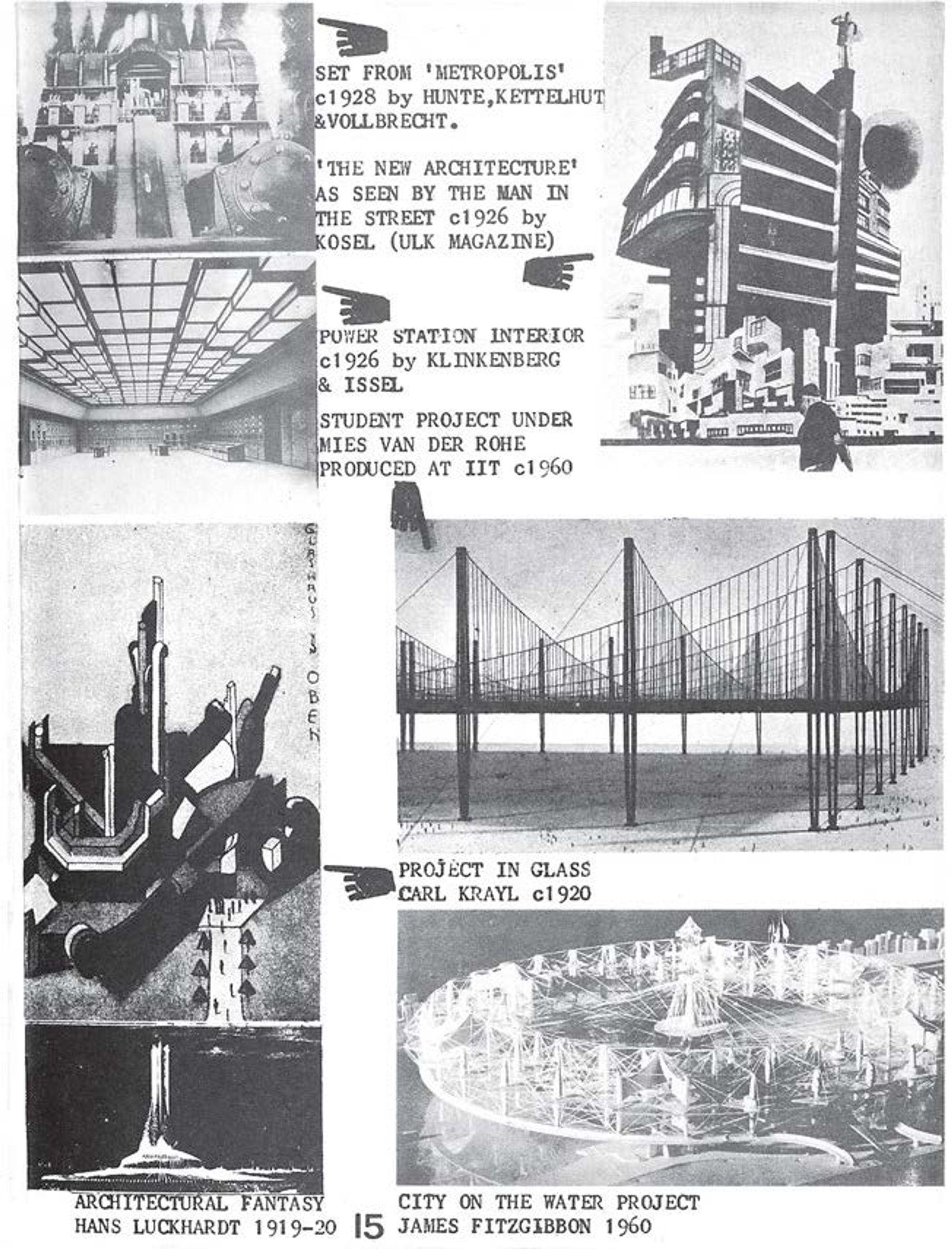
Archigram 4 facsimile inside Archigram: The Magazine, published by D.A.P. and Designers & Books. Courtesy of D.A.P and Designers & Books.

Archigram 4 facsimile inside Archigram: The Magazine, published by D.A.P. and Designers & Books. Courtesy of D.A.P and Designers & Books.
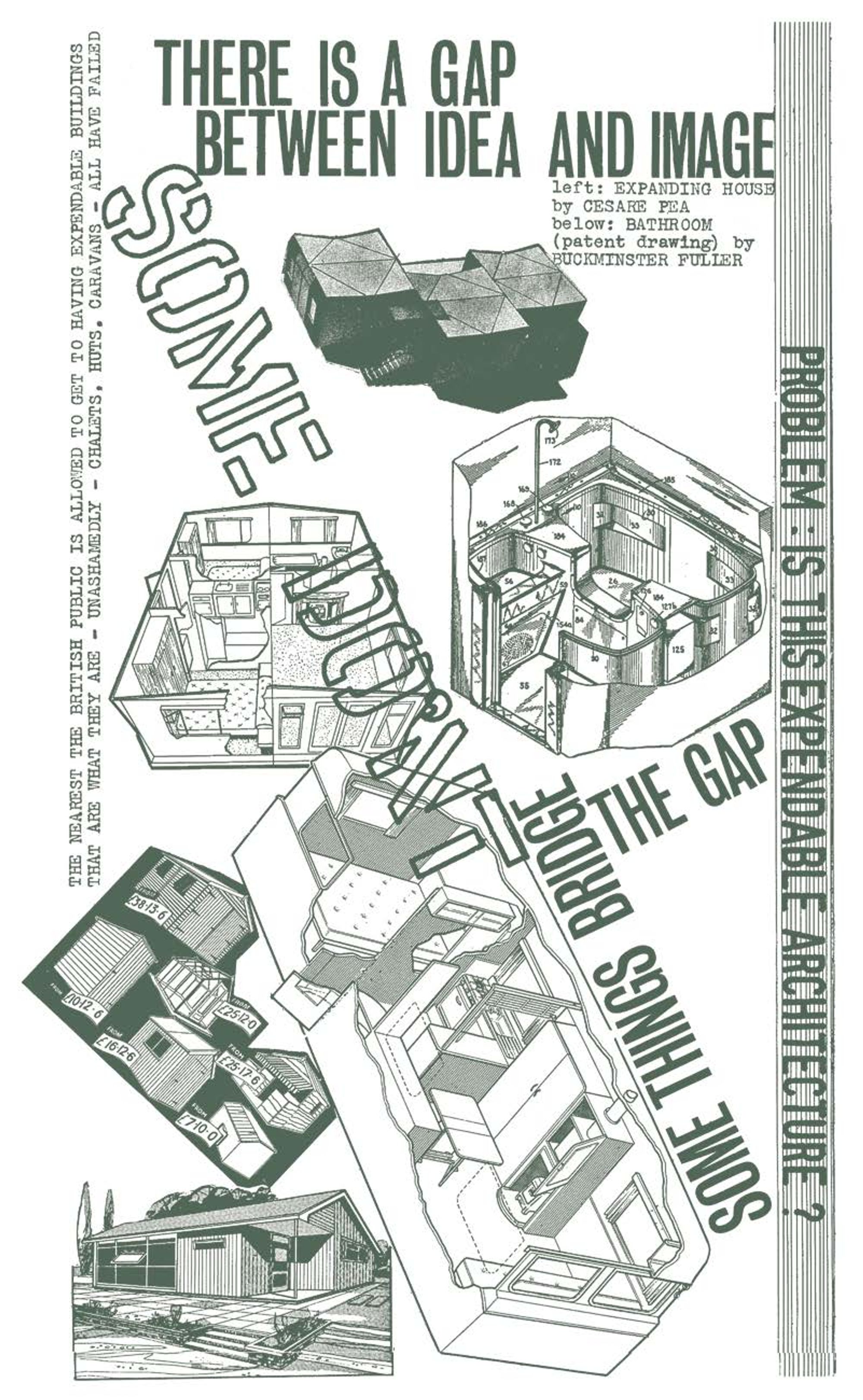
Archigram 3 facsimile inside Archigram: The Magazine, published by D.A.P. and Designers & Books. Courtesy of D.A.P and Designers & Books.
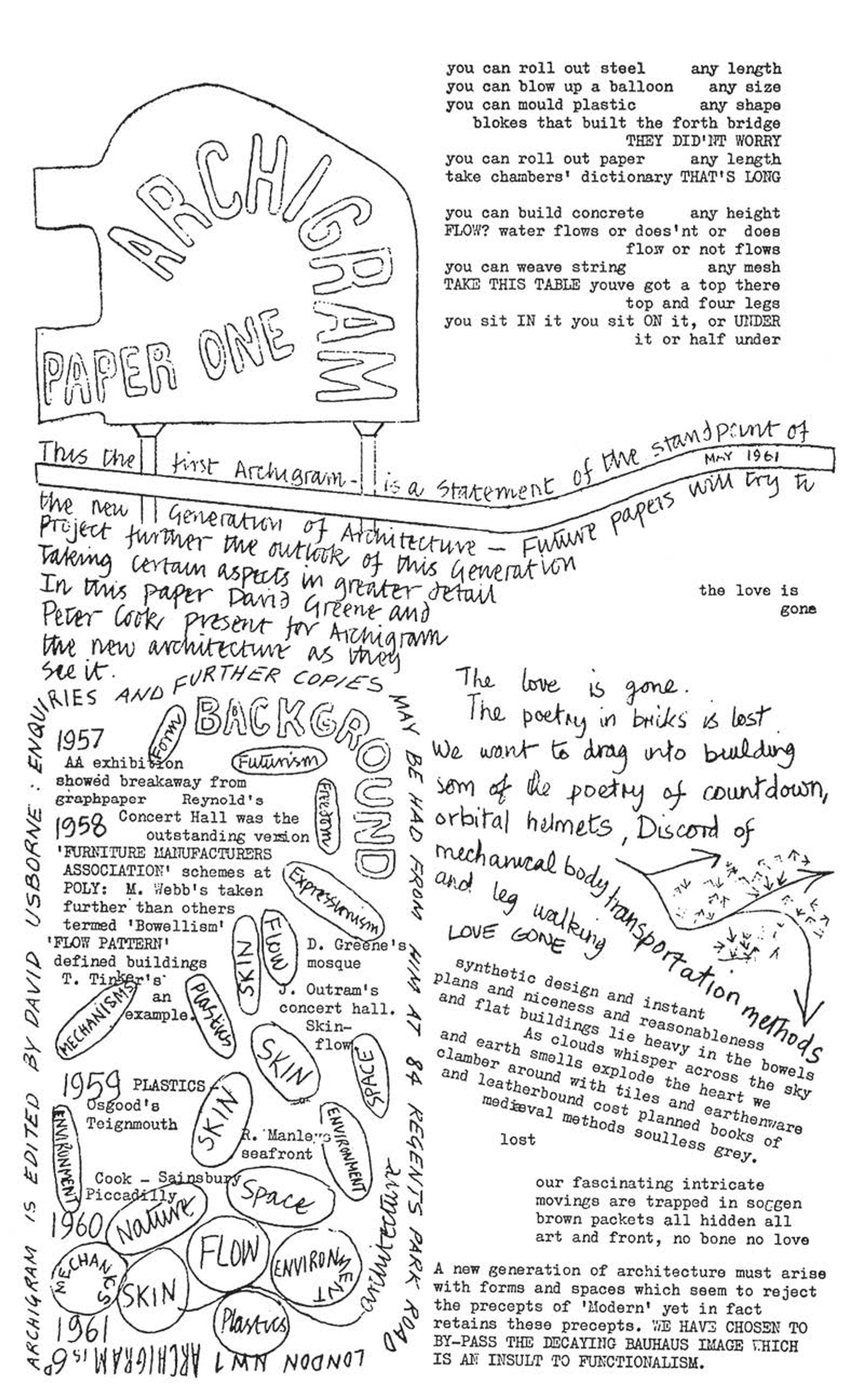
Archigram 1 facsimile inside Archigram: The Magazine, published by D.A.P. and Designers & Books. Courtesy of D.A.P and Designers & Books.
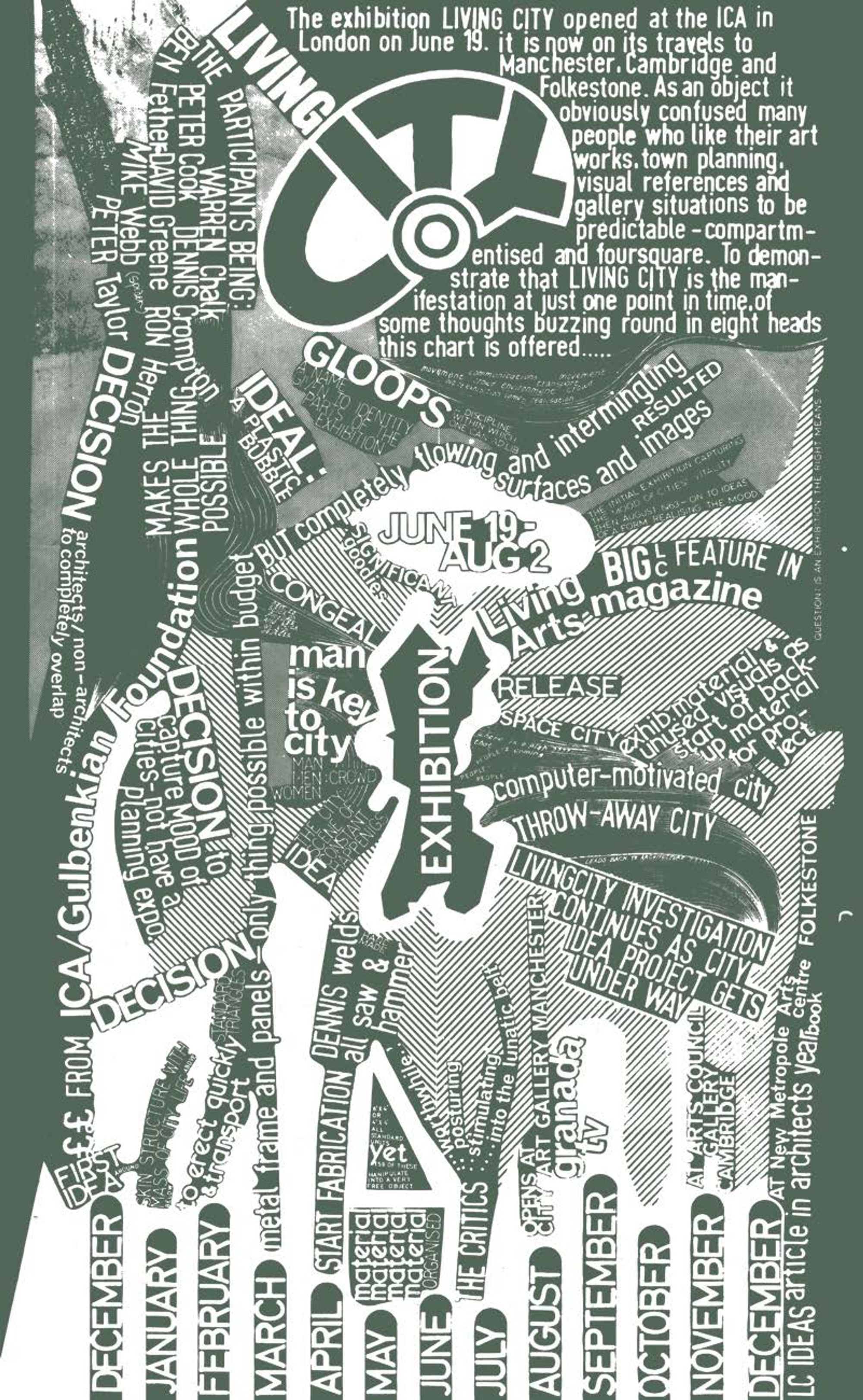
Archigram 3 facsimile inside Archigram: The Magazine, published by D.A.P. and Designers & Books. Courtesy of D.A.P and Designers & Books.
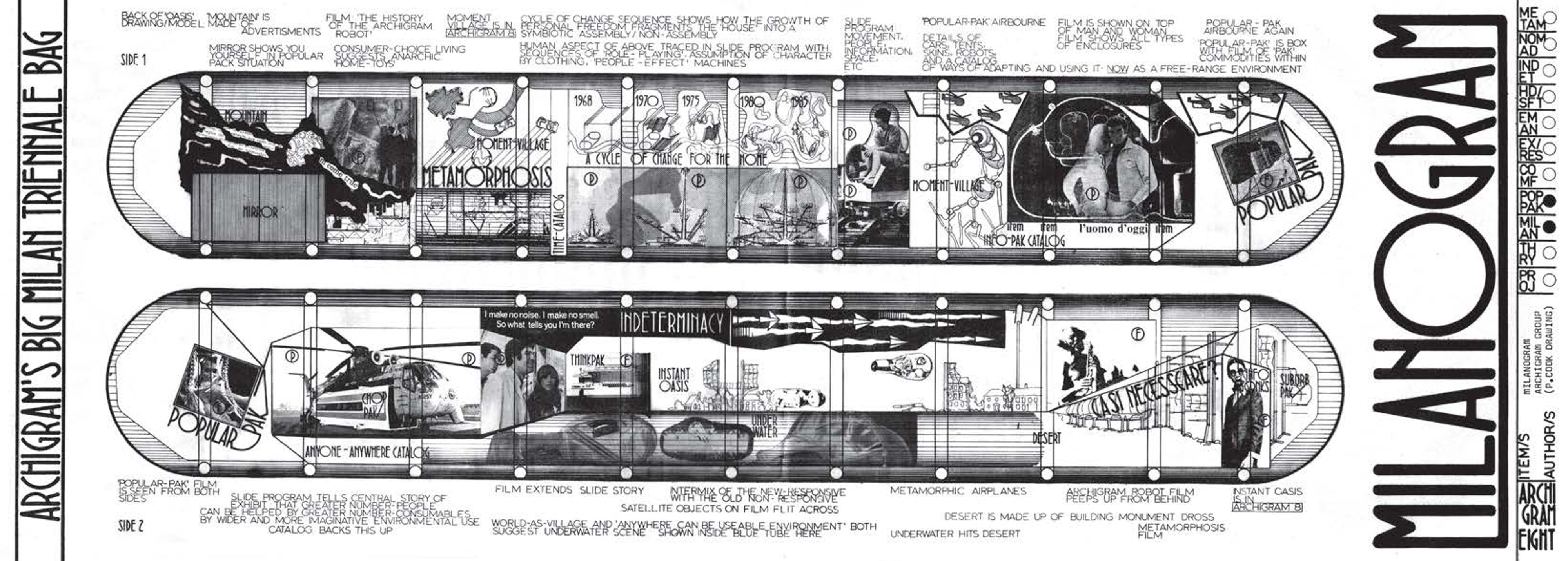
Archigram 8 facsimile inside Archigram: The Magazine, published by D.A.P. and Designers & Books. Courtesy of D.A.P and Designers & Books.
Towards this goal, as historian Simon Sadler observed in his 2005 monograph on the group, Archigram “did not preach to students but conspired with them,” building a network of like-minded people. Seeing the iconic drawings of Plug-In City or Computor City not isolated on a poster or presentation slide but embedded in their original context, among the scribbles, commentary, and works of fellow ‘gramers, recovers something of the ferment that made those ideas sprout in the first place. And reading the issues in sequence reconstructs its broader ecosystem: references to Fantastic Architecture, Whole Earth Catalog, ARse, and other contemporary books, protest zines, exhibitions, and polemics appear throughout. Archigram was also continuously concerned with the network of its readers and the allied scenes they produced: issues carried maps of sympathizers and distribution points across architecture schools in Europe and elsewhere. Eventually, this preoccupation with the network became an architectural and media project in itself: A loose sheet insert in issue seven proposed the Archigram Network, a web of remote learning centers housed in an actual moving building, wiring the conversations happening across the London–Paris–Rotterdam–Berlin space and beyond. The magazine, in this light, was less a vehicle for Archigram’s obsessions and unbuilt buildings, than an infrastructure that brought a discourse to people and people into discussion.
With Archigram’s networks dissolved and the political moment long passed, the facsimile edition makes for a mausoleum of sorts. Yet, mausoleums continue to inspire. And for a project preoccupied with networks of ideation, this may be exactly its continued contribution. In his essay in the reader’s guide, Peter Cook expresses hope that the facsimiles will encourage others to create their own spaces of free expression. That ambition points to where this beautiful publication truly belongs: not only on the shelves of fans and collectors, but in the libraries of all universities and architecture schools, where rhizomes still have room to spread.
Archigram: The Magazine, published by D.A.P. and Designers & Books. Courtesy of D.A.P and Designers & Books.